Before Making a Deal, Trump Demanded Iran’s Surrender. He Got a Surprise.
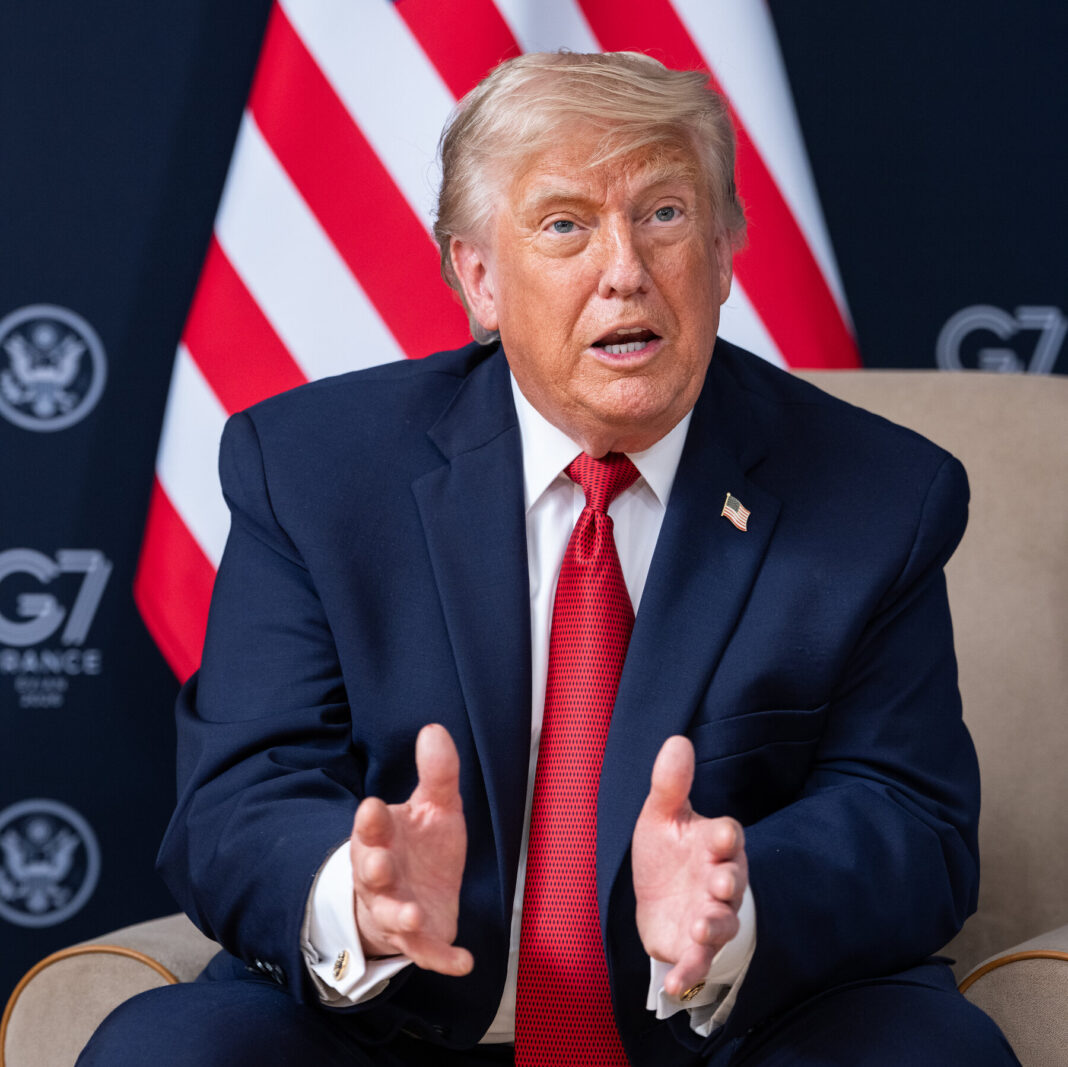
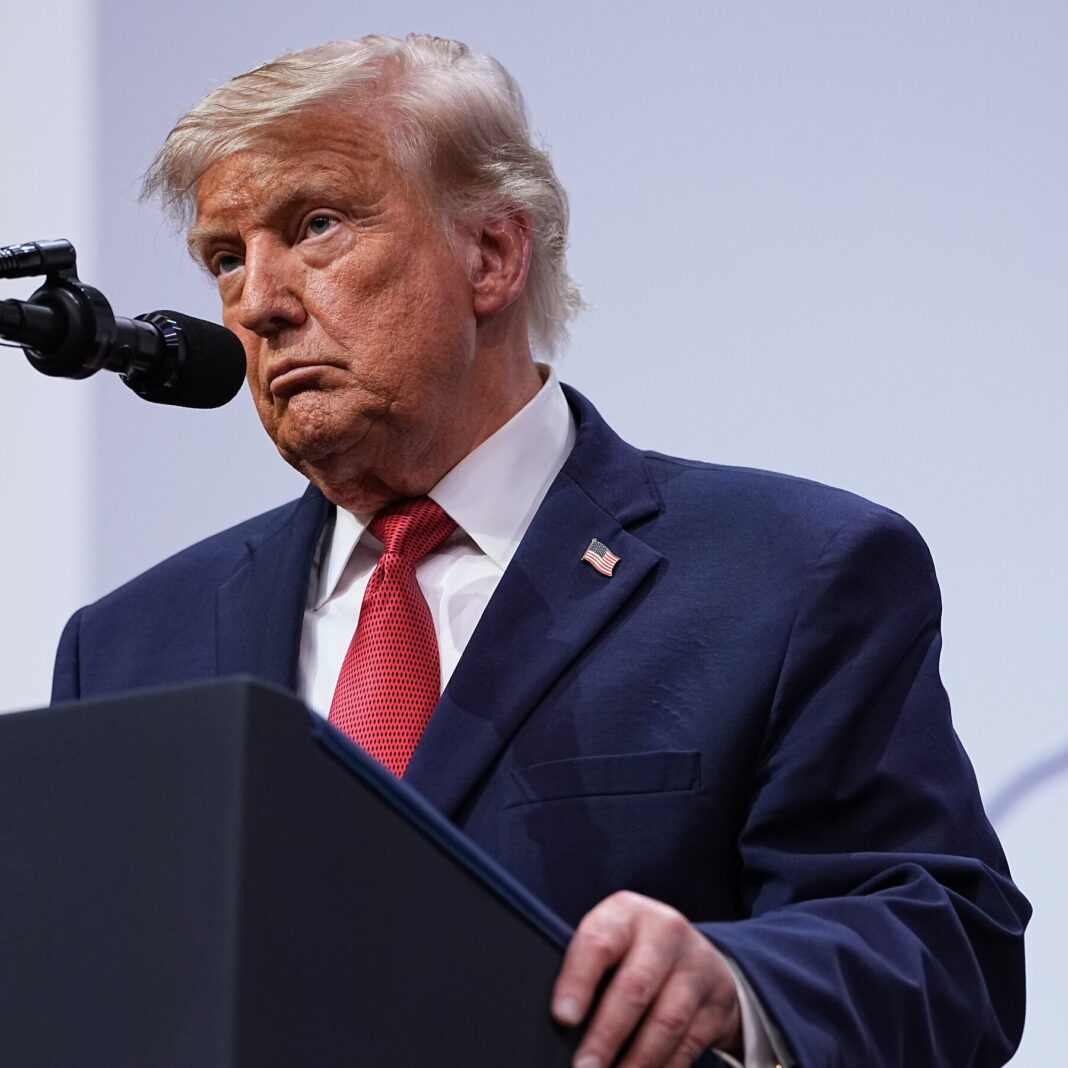
President Trump issued a direct ultimatum to Iran, demanding a complete halt to its nuclear program and a full withdrawal from regional conflicts before any negotiations could begin. The White House framed this as a necessary precondition for peace. However, the response from Tehran was not what the administration anticipated.
Iranian leaders rejected the demand outright, refusing to accept what they called a surrender disguised as diplomacy. Instead of backing down, Tehran escalated its retaliatory measures. The nation began weaponizing its control over the Strait of Hormuz, a critical chokepoint for global oil shipments.
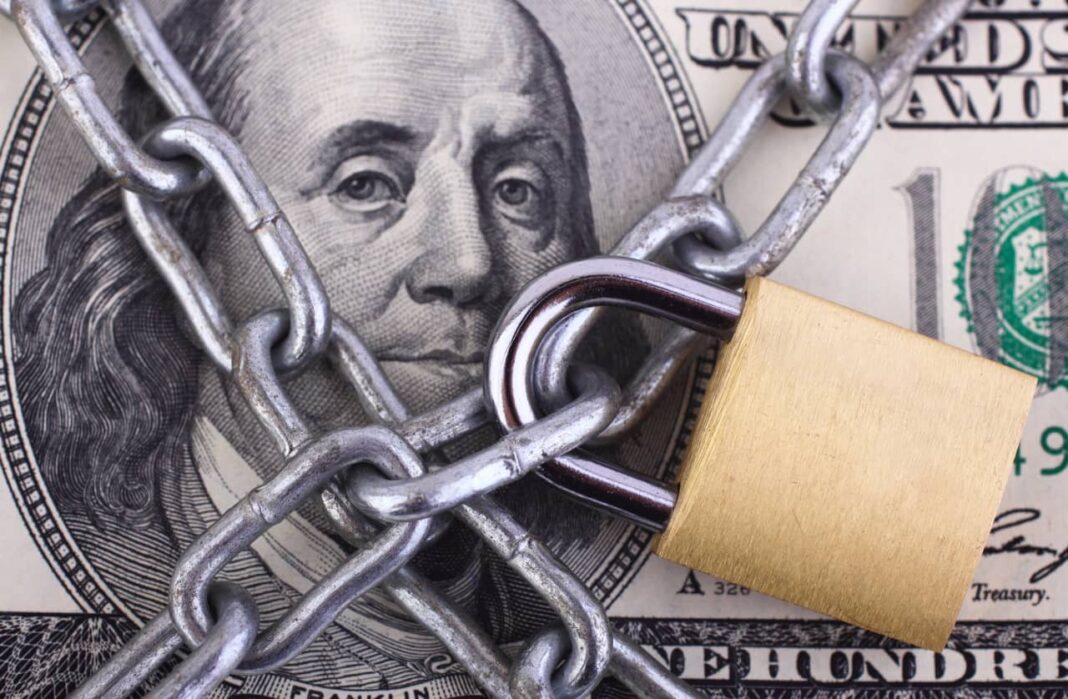
The conflict quickly moved beyond conventional military engagements. Iran shifted its strategy to disrupt international energy markets, causing severe economic turbulence worldwide. By targeting oil tankers and threatening the strait, Tehran demonstrated its ability to inflict widespread financial damage.
The United States and its allies struggled to contain the resulting economic chaos. Global oil prices spiked, supply chains faltered, and financial markets experienced significant volatility. The vulnerability of the global economy became starkly apparent.
While the Iranians suffered substantial losses in the war, they emerged from a confrontation with the world’s most powerful military having proved they can use economic chaos as a weapon. This asymmetric approach allowed them to counteract conventional military disadvantages.
The standoff forced a recalculation in Washington. The initial demand for unconditional surrender had not produced the desired effect. Instead, the situation highlighted the limits of military dominance in a globally interconnected economy.
Ultimately, the conflict underscored a new reality in international power dynamics. Economic interdependence has become both a strength and a vulnerability. Nations now recognize that asymmetric warfare can target financial stability as effectively as any missile.