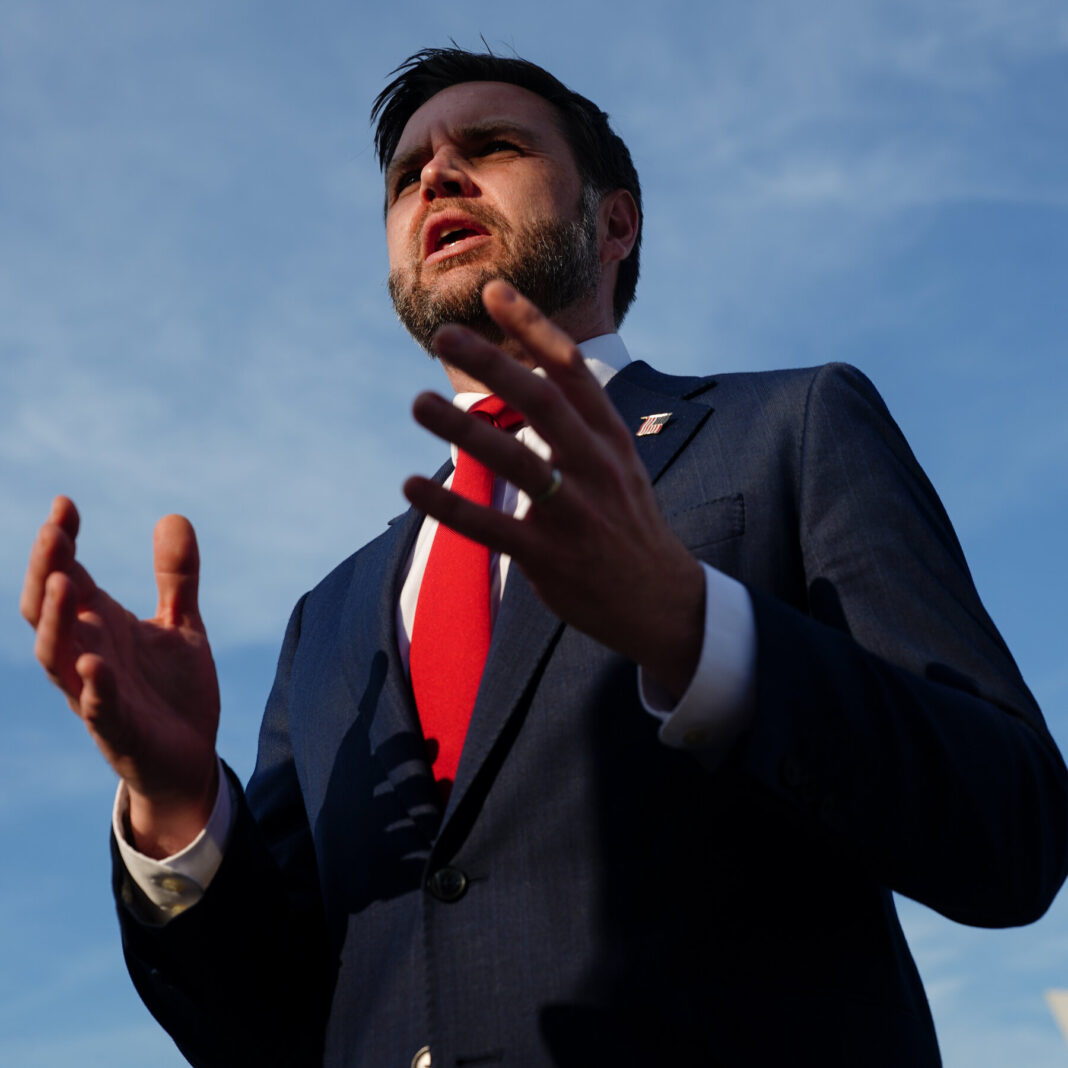
Vice President JD Vance is in a politically precarious spot. He leads sensitive nuclear negotiations with Iran, a task that carries high stakes for national security and global diplomacy. His role places him at the center of a complex and fragile process.
President Donald Trump has created unexpected disruptions along Vance’s path. Public statements and policy shifts from the White House have occasionally undercut the vice president’s negotiating position. These actions have added uncertainty to an already tense diplomatic effort.
Vance took on the Iran file after months of internal administration debate. The assignment was seen as a chance to build his foreign policy credentials. It also placed him directly in the line of political and international scrutiny.
Negotiations have progressed in fits and starts, with both sides signaling cautious optimism. Vance has focused on limiting Iran’s nuclear capabilities in exchange for sanctions relief. The talks represent a key test for the administration’s approach to the Middle East.
Trump’s interventions have not been coordinated with Vance’s team, according to sources. At times, the president has voiced skepticism about the talks publicly. This has complicated the vice president’s ability to present a unified front to Iranian negotiators.
Some allies worry the dynamic could derail progress entirely. Others argue it reflects Trump’s typical deal-making style of keeping options open. Vance has continued to press forward, emphasizing the need for a verifiable agreement.
The situation underscores the delicate balance within the administration on foreign policy. While the vice president works the diplomatic channels, the president retains ultimate authority to shift course. The outcome will shape both nuclear diplomacy and Vance’s political future.