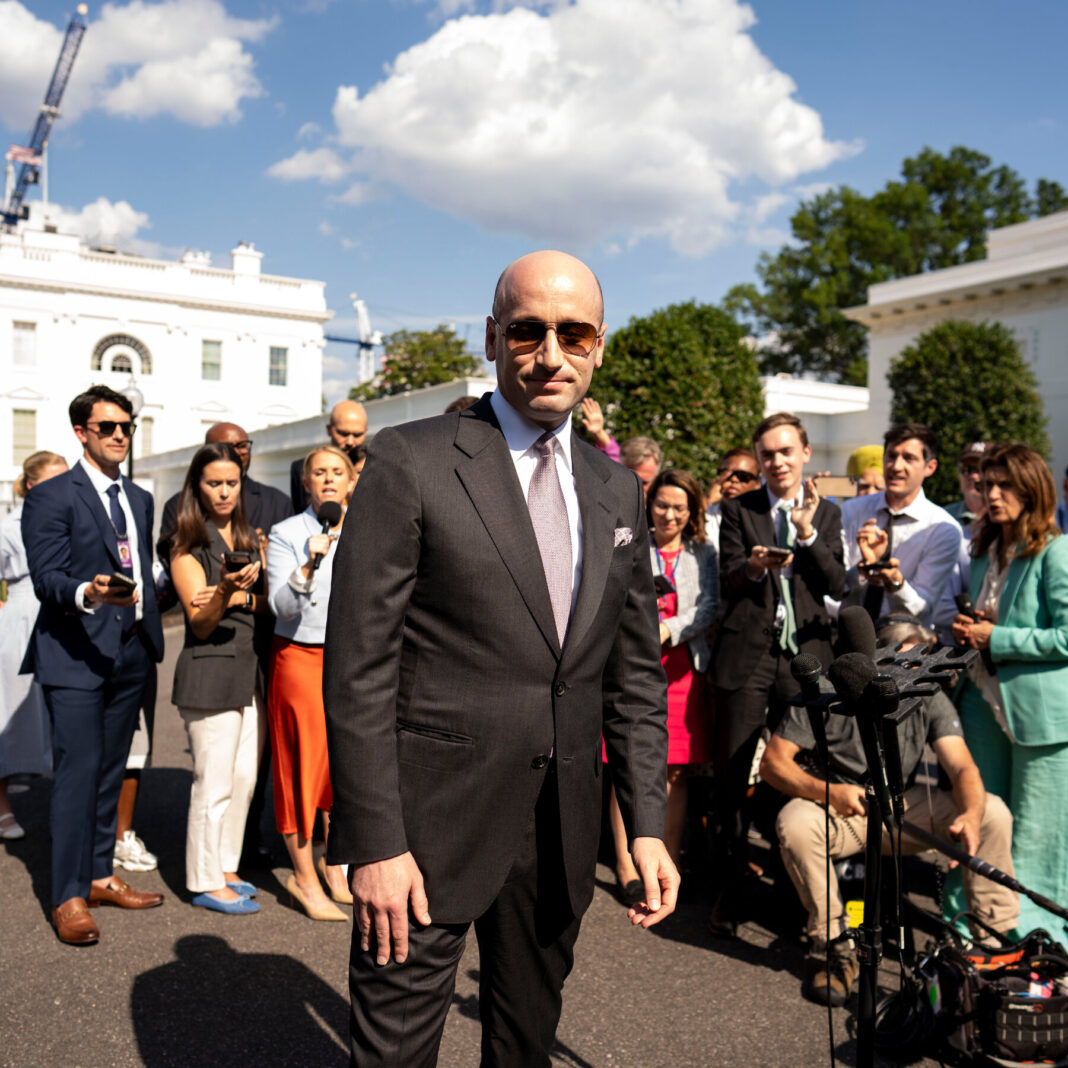
Immigration hard-liners lost repeatedly in lower courts before the Supreme Court ruled in their favor. The decision allows the Trump administration to end deportation protections for certain migrants. A White House official called it a victory ten years in the making.
The case focused on Temporary Protected Status, known as TPS. This program shields migrants from countries facing disasters or conflict from deportation. The administration sought to end protections for hundreds of thousands of people.
Lower courts had blocked the termination of TPS for migrants from Sudan, Nicaragua, Haiti, and El Salvador. Judges ruled that the administration’s decision was discriminatory or arbitrary. The legal battles stretched across multiple circuits.
The Supreme Court disagreed with those lower court rulings. The justices found that the administration acted within its legal authority. The decision overturned the injunctions that had kept protections in place.
Critics argued the ruling could upend lives and destabilize communities. Supporters said it restored proper executive power over immigration policy. The split exposes deep divisions over how the country handles migrant protections.
The decision affects roughly 300,000 TPS holders currently in the United States. Many have lived and worked in the country for over a decade. They now face the prospect of returning to unstable home countries.
Legal experts noted the ruling narrows judicial oversight of immigration enforcement. The court deferred heavily to executive branch judgment in this area. Future administrations may find it easier to end similar protections.