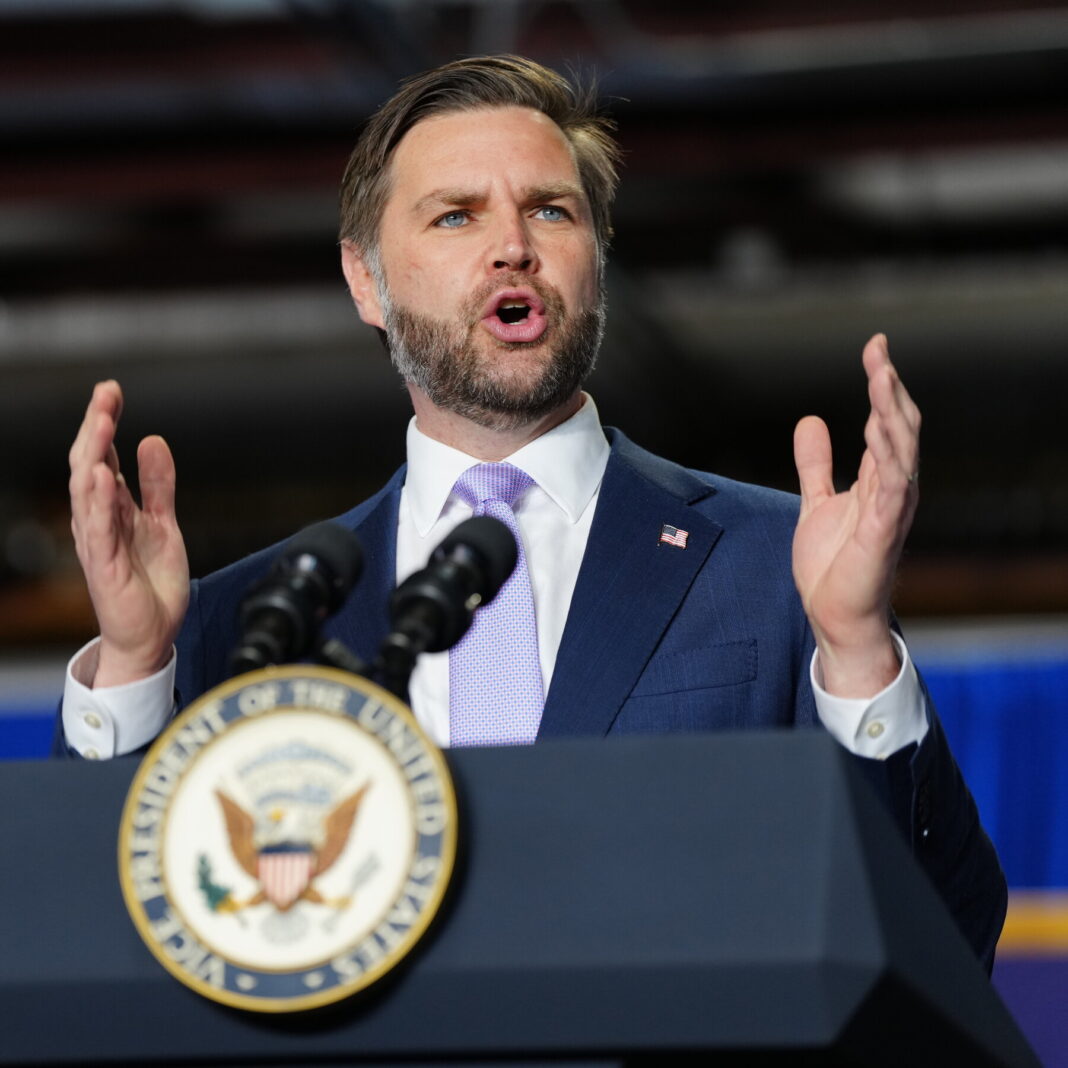
Vice President Vance recently dismissed the significance of the Watergate scandal, suggesting it would be only a minor news event in the modern media landscape. He argued that such an incident would fade quickly, becoming “like a 12-hour news story” if it occurred today.
In his remarks, Vance drew a direct comparison between himself and former President Richard Nixon. He accused the so-called “deep state” of orchestrating Nixon’s downfall during the 1970s. The vice president implied that similar forces are now working against the current administration.
His comments came during a private event, but audio of the speech was later obtained by news outlets. Vance did not provide specific evidence to support his claims about the deep state. Instead, he framed Nixon as a victim of entrenched bureaucratic opposition.
The vice president’s statements break with historical consensus on Watergate. That scandal involved a break-in at the Democratic National Committee headquarters and a subsequent cover-up by Nixon. It ultimately forced Nixon to resign in 1974 to avoid impeachment.
Historians have widely documented Nixon’s role in approving illegal activities and obstructing justice. Vance’s reinterpretation of these events has drawn criticism from political analysts and former officials. They argue it minimizes a critical chapter in American political accountability.
Vance’s remarks also echo a broader trend among some conservatives to reframe past political scandals. This narrative often portrays establishment figures or federal agencies as conspiratorial actors. Such rhetoric has become more common in recent political discourse.
The vice president’s comments are likely to fuel further debate about the current administration’s relationship with federal institutions. They also highlight ongoing tensions between the White House and elements of the intelligence community. No official statement from the White House has been released on the matter.