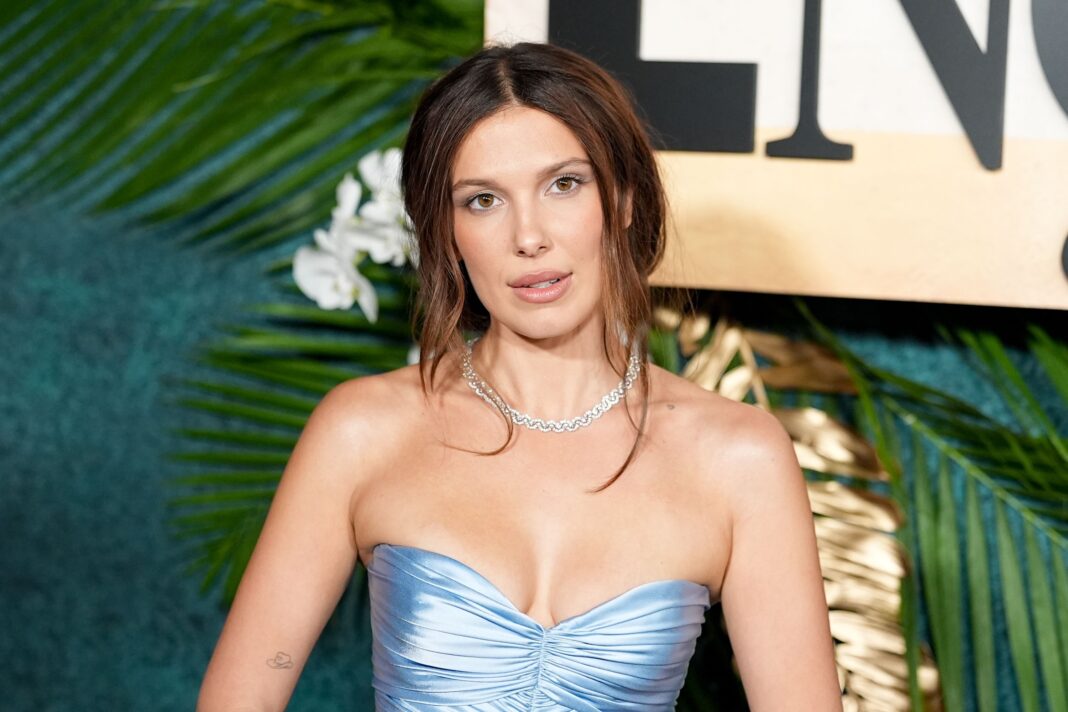
Millie Bobby Brown’s hairstyle in *Enola Holmes* has sparked conversation, particularly her signature loose braid. The braid, long and free-flowing, contrasts with the tight, restrictive styles often seen in period dramas. It serves as a visual cue for her character’s rebellious and independent nature.
The braid’s relaxed, undone look is intentional. It suggests movement and practicality, allowing Enola to run, fight, and investigate without restraint. Stylists chose a softer, modern interpretation of Victorian-era hairstyles.
Loose strands frame the face, adding a natural, unpolished texture. This choice avoids the stiff, polished perfection common in historical films. It keeps the character relatable and grounded.
The braid also functions as a storytelling device. As Enola unravels clues, her hair gradually loosens, mirroring her journey of self-discovery. Hair becomes a subtle marker of her growing autonomy.
Brown’s real-life hair texture was considered. The braid works with her natural waves, requiring minimal heat or product. This approach prioritizes hair health over elaborate styling.
Viewers have responded positively to the style. Many have sought tutorials to recreate the look at home. The braid’s simplicity makes it accessible, requiring only basic braiding skills.
The style’s popularity highlights a broader shift in beauty trends. Audiences now favor authentic, low-maintenance looks over rigid, high-maintenance ones. The Enola Holmes braid aligns with this preference.
Ultimately, the braid succeeds because it supports the story. It is not just a hairstyle but a reflection of character and theme. Viewers can appreciate its aesthetic and narrative purpose.