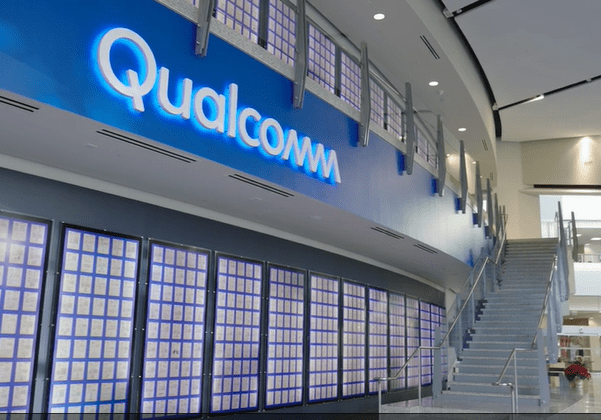
Qualcomm is chasing a massive $40 billion transformation by entering the data-center chip market. Meta has already signed on as a customer, signaling early validation of the company’s strategy.
The move positions Qualcomm as a direct challenger to Nvidia, which currently dominates the data-center AI chip space. Analysts estimate the market could be worth hundreds of billions in the coming years.
Qualcomm’s bet relies on its expertise in low-power chip design, originally developed for mobile devices. The company argues this efficiency gives it an edge over Nvidia’s more power-hungry processors.
The chips are designed for inference tasks, where AI models make predictions after training. Nvidia has historically focused more on training, leaving room for competitors in inference.
Meta plans to use Qualcomm’s chips for its own AI workloads, including recommendation systems and content moderation. The partnership could help Qualcomm prove its technology at scale.
Qualcomm faces significant hurdles, including building a new software ecosystem to rival Nvidia’s CUDA platform. Developers are deeply embedded in Nvidia’s tools, making switching difficult.
The company also needs to convince other major cloud providers to adopt its hardware. Success may depend on winning contracts from Amazon, Google, or Microsoft.
Qualcomm’s data-center push is part of a broader effort to diversify beyond its core smartphone business. The company has faced declining revenue in that market as phone sales slow.
Investors are watching closely, as the gamble requires substantial upfront spending. Qualcomm has not yet disclosed exact financial projections for the new division.
If successful, Qualcomm could capture a meaningful share of the AI chip market. If it fails, the company risks wasting resources on a market Nvidia already controls.