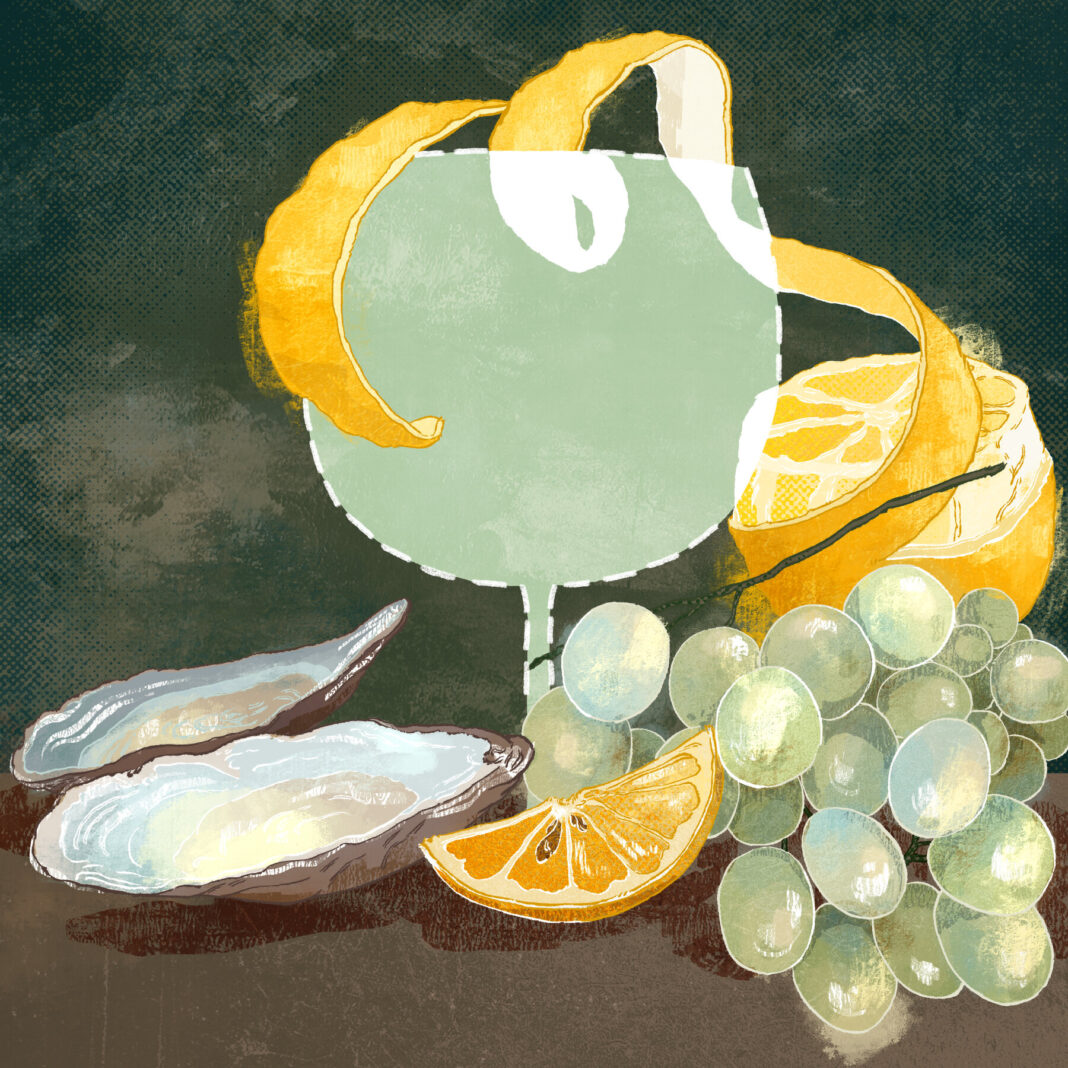
Wine has traditionally been viewed as a natural companion to fine dining. Its role in elevating a meal has been celebrated for centuries. Yet that connection now appears to be weakening.
Many modern drinkers reach for wine outside of mealtimes. Social drinking often takes place at bars or parties, not at the dinner table. This shift raises questions about wine’s evolving identity.
The food and wine pairing industry once thrived on the idea of harmony. Chefs and sommeliers carefully matched flavors to enhance both elements. Today, that practice seems less central to everyday consumption.
Younger generations often prefer cocktails or craft beer with their meals. These options offer distinct tastes and lower alcohol content. Wine can sometimes feel too formal or rigid by comparison.
The rise of casual dining has also changed expectations. Fast-casual restaurants prioritize convenience over lengthy wine lists. A bottle of wine no longer feels essential to a quick lunch.
Wine producers now face a challenge in reconnecting with diners. They must make wine feel accessible, not intimidating. Simple wine suggestions at restaurants could help bridge this gap.
Retailers can also play a role by offering food pairing tips. Highlighting affordable bottles that match common dishes encourages home experimentation. This approach keeps wine relevant for everyday cooks.
The essence of wine remains tied to sharing and enjoyment. A return to the table may require rethinking how wine is marketed. The goal is to remind consumers that wine enhances a meal, not just an occasion.