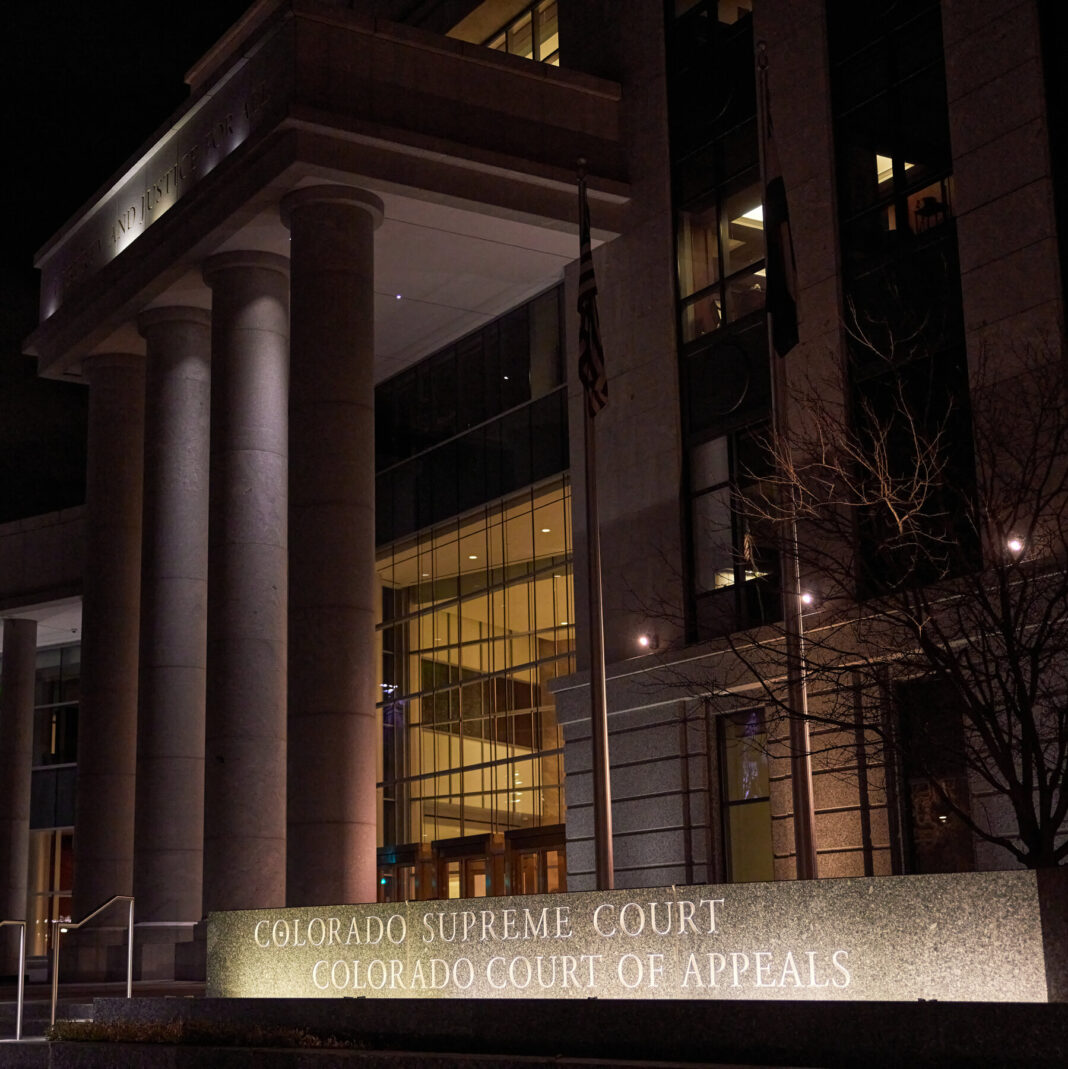
The Colorado Supreme Court is taking longer than expected to rule on the legality of proposed ballot initiatives that would redraw the state’s congressional maps. Democrats say the delay is putting their entire redistricting effort in jeopardy ahead of the 2028 election cycle.
Both political parties are waiting for the court to decide whether the ballot proposals can move forward. The proposals aim to create a new independent commission to handle redistricting, a process currently controlled by the state legislature.
Democrats argue that each day without a ruling increases the risk that the initiatives will fail. If the court does not act soon, supporters may not have enough time to gather the required signatures before the ballot deadline.
The proposed changes would shift power away from elected officials and give it to an appointed panel. Proponents say this would reduce partisan gerrymandering and create fairer districts.
Republicans have challenged the proposals in court, claiming they violate the state constitution. They argue the initiatives would undermine the existing legislative process for drawing maps.
The Colorado Supreme Court heard oral arguments in the case several weeks ago. A decision was expected quickly, but the court has remained silent on a timeline for its ruling.
The outcome of this case could have significant implications for control of the U.S. House of Representatives. Colorado is a politically competitive state, and its new maps could determine which party wins several key seats.
Democrats currently hold a majority of Colorado’s congressional seats. Redistricting by an independent commission carries the potential to shift that balance.
Legal experts say the court’s delay is unusual for a case with such a tight statutory deadline. The longer the court waits, the more difficult it becomes for either side to plan its next move.
The uncertainty is already affecting political strategy in the state. Candidates and campaign staff are hesitant to commit resources until they know which districts will exist for the next election.