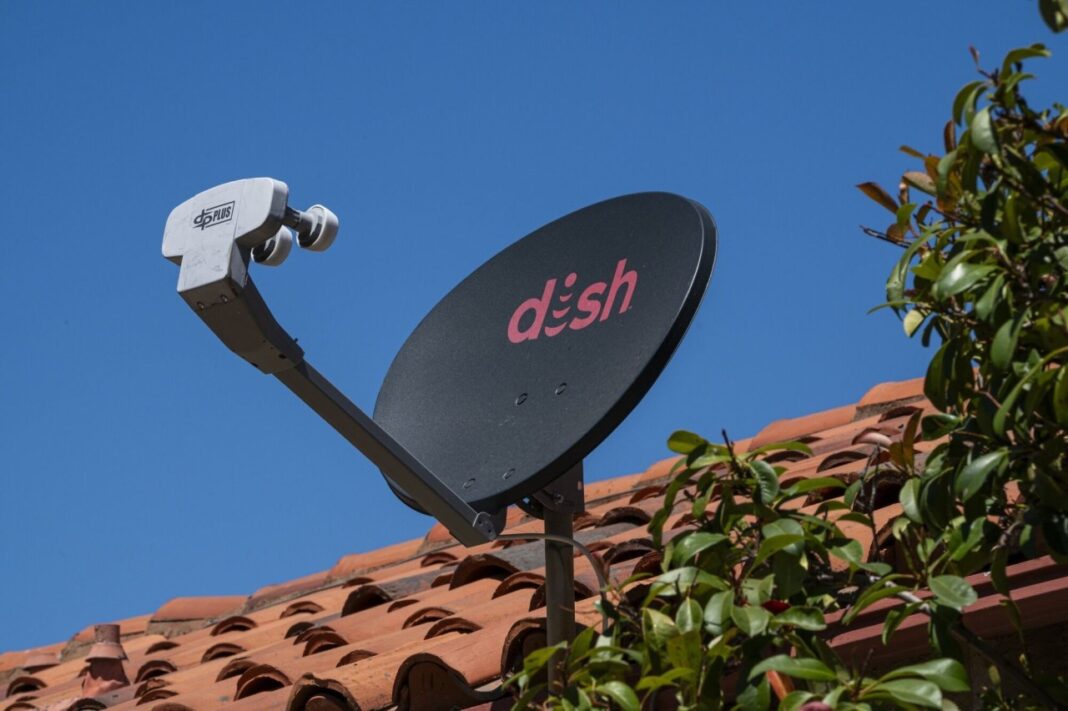
Satellite TV provider Dish DBS has filed for bankruptcy after a deal with AT&T fell through. The EchoStar subsidiary announced the Chapter 11 filing to address its financial challenges. The company stated it would repay debt once the long-anticipated $20 billion AT&T spectrum deal closes.
The bankruptcy filing comes as Dish DBS struggles with declining subscriber numbers and heavy debt loads. The collapse of the AT&T transaction left the company with limited options to restructure its finances. Dish DBS now aims to use the bankruptcy process to stabilize operations.
The proposed $20 billion deal involved selling wireless spectrum licenses to AT&T. Dish DBS had counted on this transaction to ease its financial pressures. Without the deal, the company faced mounting obligations it could not meet.
Dish DBS plans to continue providing service to its customers during bankruptcy proceedings. The company emphasized that operations would not be disrupted. Subscribers can expect normal access to programming and support.
EchoStar, the parent company, is also navigating its own financial difficulties. The bankruptcy filing is limited to Dish DBS, leaving the broader EchoStar business unaffected. Analysts will watch how this restructuring impacts the wider satellite TV industry.
The case highlights ongoing struggles for traditional pay-TV providers amid cord-cutting trends. Dish DBS joins other legacy media companies forced to adapt to streaming competition. The bankruptcy process may open doors for new partnerships or acquisitions.
A court hearing will likely determine the timeline for the AT&T deal’s completion. Dish DBS expects to emerge from bankruptcy as a leaner entity. The outcome could reshape the company’s future role in telecommunications and broadcasting.