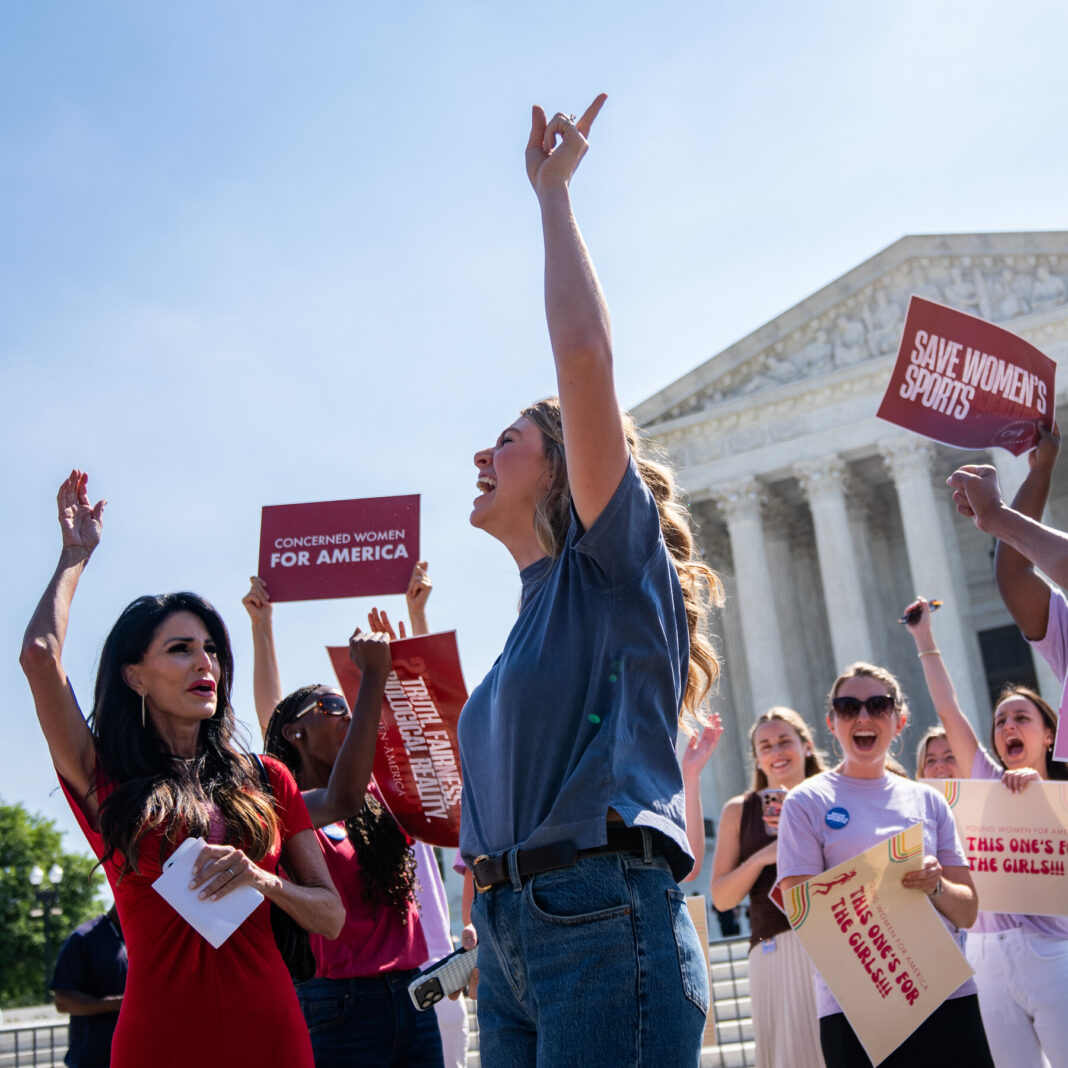
The Supreme Court concluded one of its most consequential terms by delivering major conservative victories while also pushing back against some of President Trump’s signature initiatives.
Chief Justice John Roberts and Justice Brett Kavanaugh emerged as pivotal swing votes in several high-profile cases. Their decisions often broke with the administration on procedural grounds.
The court issued a key ruling limiting the president’s ability to fire the head of the Consumer Financial Protection Bureau. This decision underscored the justices’ willingness to check executive power even from a friendly administration.
Conservative legal goals saw lasting progress in areas like religious liberty and gun rights. The court expanded protections for religious institutions and struck down a restrictive New York gun control law.
On immigration, the justices blocked the administration’s attempt to end the Deferred Action for Childhood Arrivals program. This marked a major defeat for the White House on a core policy priority.
The term also featured a significant shift in how the court handles environmental regulations. A ruling narrowed the federal government’s authority to regulate wetlands under the Clean Water Act.
Abortion rights remained a flashpoint, with the court declining to hear a direct challenge to Roe v. Wade. However, justices signaled growing openness to state-level restrictions in future cases.
The voting rights landscape changed after the court upheld two state laws requiring photo identification at the polls. These rulings may encourage more states to implement similar measures.
Overall, the term demonstrated the court’s evolving role as both a check on executive power and a driver of conservative jurisprudence. Its impacts will likely shape policy for years.