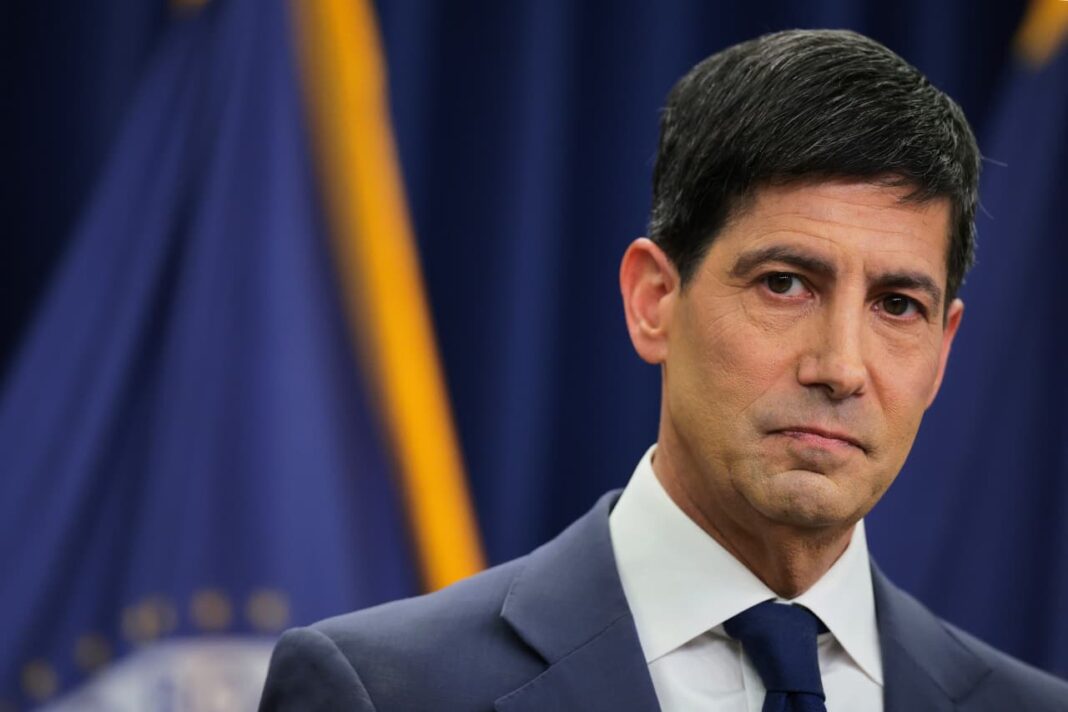
Kevin Warsh, the new Federal Reserve chair, offered no clues about a potential July rate hike. He reiterated his opposition to using forward guidance to signal future central bank moves. Wall Street should stop searching for hints from the Fed, he said, and instead focus on economic data.
Warsh’s comments came during a recent speech where he emphasized the need for data-driven decisions. He argued that relying on Fed statements for rate clues creates unnecessary market volatility. The central bank’s actions, he stressed, will depend solely on incoming economic reports.
Investors have grown accustomed to forward guidance under previous leadership. Warsh, however, views this practice as counterproductive. He believes it ties the Fed’s hands and undermines its credibility. Markets should react to real-time economic indicators, not predetermined signals.
Key data points include inflation, employment, and GDP growth. Warsh urged market participants to monitor these metrics closely. Shifting focus away from Fed commentary could reduce speculation and stabilize interest rate expectations. The approach aims to foster a more transparent policy framework.
Warsh’s stance marks a clear departure from his predecessor’s style. The Fed under Janet Yellen often provided explicit guidance on rate paths. Warsh now aims to return to a more reactive, data-centric strategy. This shift may require time for markets to fully adjust.
Analysts are divided on the impact of this change. Some praise it for reducing Fed influence on short-term market bets. Others warn it could increase uncertainty during economic shocks. Either way, Warsh remains firm in his conviction.
For now, the Fed will let economic data speak for itself. July’s rate decision hinges on what the numbers show. Warsh’s message is clear: watch the economy, not the central bank. This new era demands a fresh perspective from Wall Street.