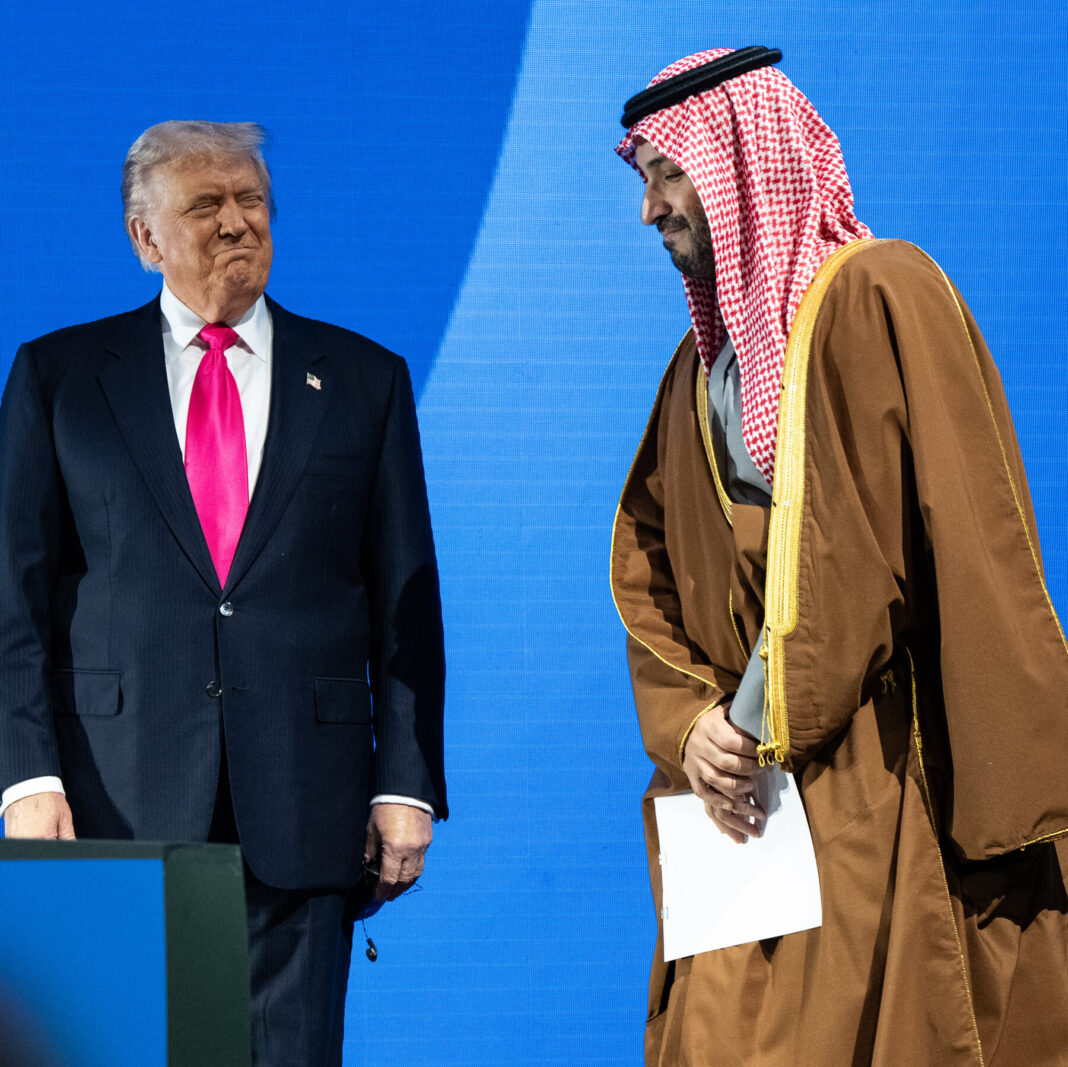
The Iran War has driven a wedge between former President Donald Trump and Saudi Crown Prince Mohammed bin Salman. The two leaders, once close allies, now find themselves on opposite sides of a strategic divide.
Crown Prince Mohammed initially pressed Trump to take a hard line against Iran. He urged the former president to cripple the country through maximum pressure tactics. The prince saw Iran as a primary threat to regional stability.
As Iran began to assert its military power, the prince’s position shifted. He urged Trump to agree to a cease-fire instead of escalating the conflict. The change surprised many observers who expected continued aggression.
Trump resisted the prince’s new stance, creating tension between the two. The former president favored a more confrontational approach to neutralize Iran’s influence. This clash highlighted differing visions for Middle East policy.
The Saudi Crown Prince is now pursuing his own security priorities. He has focused on protecting Saudi interests through diplomatic channels rather than military confrontation. His strategy reflects a pragmatic shift away from earlier hawkish positions.
Iran’s ability to project force has altered calculations in Riyadh. The prince concluded that prolonged war would harm Saudi stability and economic goals. He now seeks de-escalation to preserve regional order.
The disagreement underscores the fragile nature of U.S.-Saudi relations. Trump’s hardline stance clashed with the prince’s evolving risk assessment. Both leaders continue to navigate a complex geopolitical landscape shaped by the conflict.