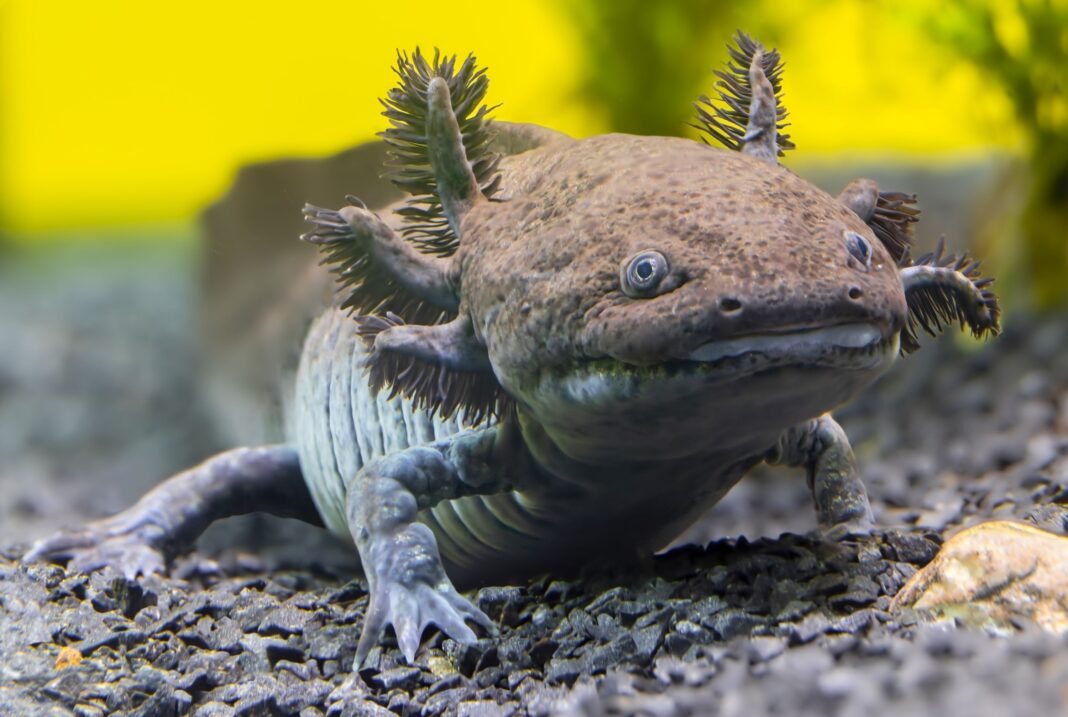
Scientists have identified a new fossil species of axolotl in Mexico. Named Ambystoma quetzalcoatli, it is the first fossil salamander formally recognized in the country.
The discovery reveals that axolotls have inhabited Mexico for millions of years. The fossil offers a rare glimpse into the evolutionary history of these iconic amphibians.
Researchers analyzed the fossilized remains to distinguish the new species from modern axolotls. Key skeletal features helped confirm its unique identity within the genus.
This finding sheds light on the ancient distribution of salamanders in North America. It suggests the region has long served as a critical habitat for these animals.
The species name honors the Mesoamerican deity Quetzalcoatl, reflecting its cultural and geographic roots. The choice ties the new discovery to Mexico’s rich natural and historical heritage.
Understanding the deep history of axolotls can aid conservation efforts today. Modern axolotls face severe threats from habitat loss and pollution in their remaining waterways.
The fossil record provides a baseline for assessing how these animals have adapted over time. Scientists hope further excavations will uncover more clues about their ancient relatives.