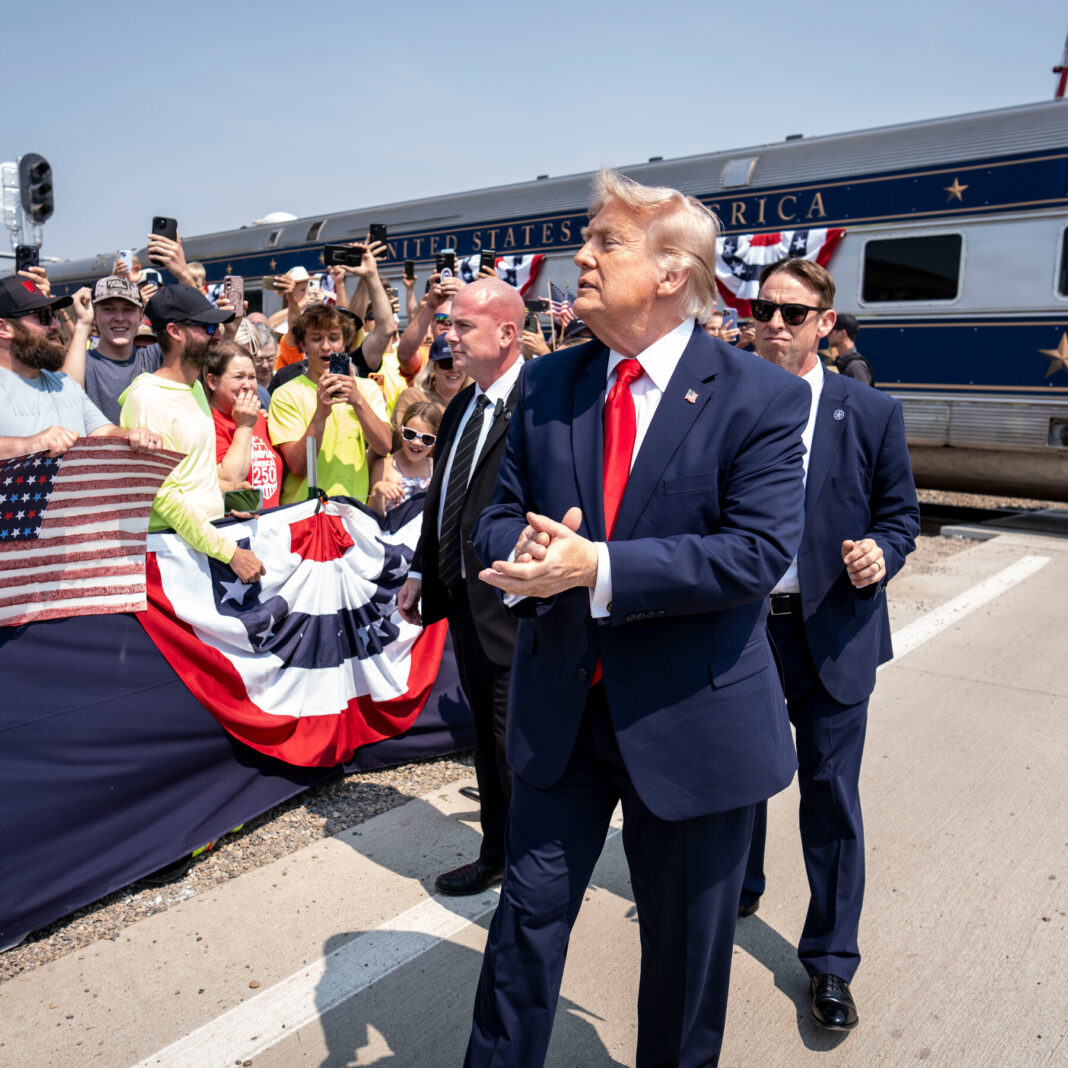
President Donald Trump placed his image and policy initiatives at the center of America’s 250th anniversary celebrations. Critics argued the event blurred the line between loyalty to the nation and loyalty to the president.
The festivities marked a historic milestone for the country, spanning multiple days of events across the capital. Trump used the occasion to highlight his administration’s achievements, invoking themes of patriotism and national renewal.
His speeches emphasized a vision of American greatness tied directly to his leadership. Supporters praised the focus on national pride, while detractors accused him of co-opting a nonpartisan celebration.
Key moments included military parades, fireworks displays, and cultural performances curated by the White House. The president’s face appeared prominently on official merchandise, programs, and digital broadcasts.
Historical experts noted that previous anniversaries maintained a more bipartisan tone. Trump’s approach marked a departure, with some observers calling it a personalized political rally rather than a unifying national event.
The administration defended the approach, stating it reflected the president’s central role in revitalizing American spirit. Opponents countered that the celebration prioritized one leader over collective national history.
Political analysts pointed to the event as a reflection of broader trends in modern governance. The 250th anniversary became a lens through which competing visions of national identity were debated.
As the celebrations concluded, the focus shifted to how future commemorations might balance individual leadership with shared heritage. The controversy underscored ongoing divisions over the meaning of patriotism itself.