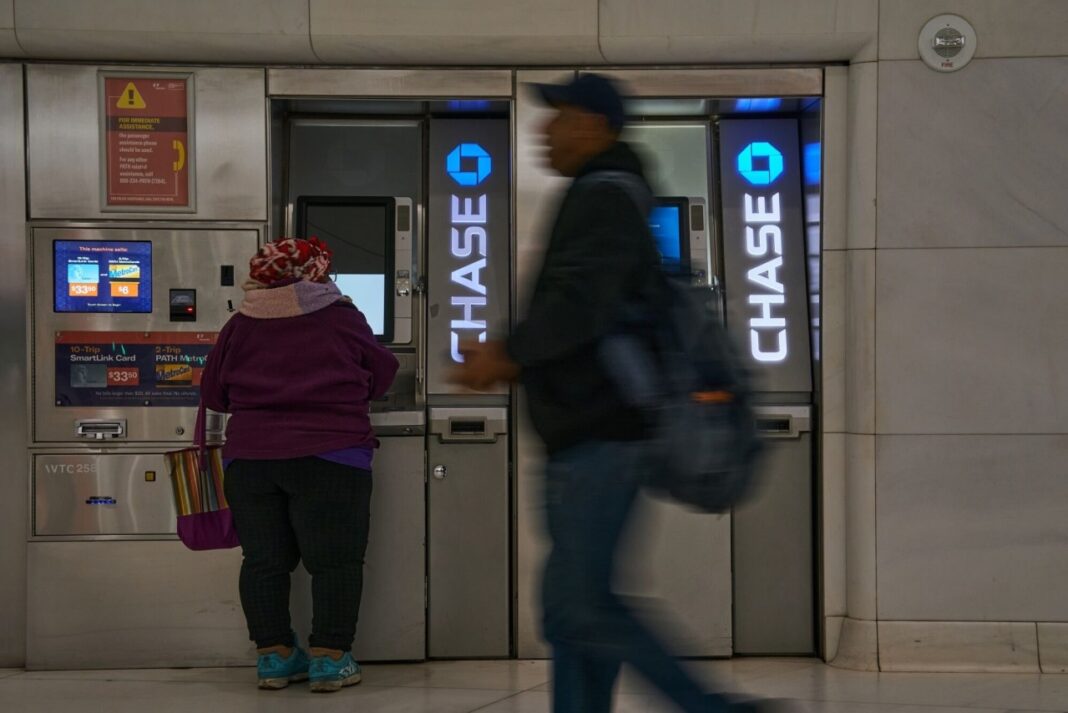
A group of major U.S. banks, including JPMorgan Chase and Bank of America, are exploring a deal to create a new payment network. The initiative aims to challenge the dominance of existing card networks like Visa and Mastercard.
The proposed network would allow banks to process transactions directly, potentially capturing larger transaction fees. This move could reshape the competitive landscape of the payments industry.
Some bank executives have expressed concerns about potential backlash from merchants and regulators. They worry that a bank-controlled network might face antitrust scrutiny or pushback from retailers who already criticize existing swipe fees.
The talks are still in early stages, and no final decisions have been made. The banks are evaluating the technical and operational challenges of building a new network from scratch.
If successful, the network could give banks more control over payment routing and pricing. It would also reduce their reliance on third-party processors.
The timing of the discussions comes as regulators increase pressure on swipe fees and network rules. A bank-owned system could offer a way to preempt further regulation.
The deal would require significant investment and cooperation among competing institutions. Achieving consensus among the banks remains a key hurdle.
Industry analysts note that past attempts to create alternative networks have struggled to gain traction. Success would depend on broad merchant adoption and consumer trust.
The banks are also exploring partnerships with technology firms to modernize the network’s infrastructure. This could include faster settlement times and enhanced security features.
Any final agreement would need approval from the banks’ boards and likely regulators. The outcome could have lasting effects on how consumers and businesses pay for goods and services.