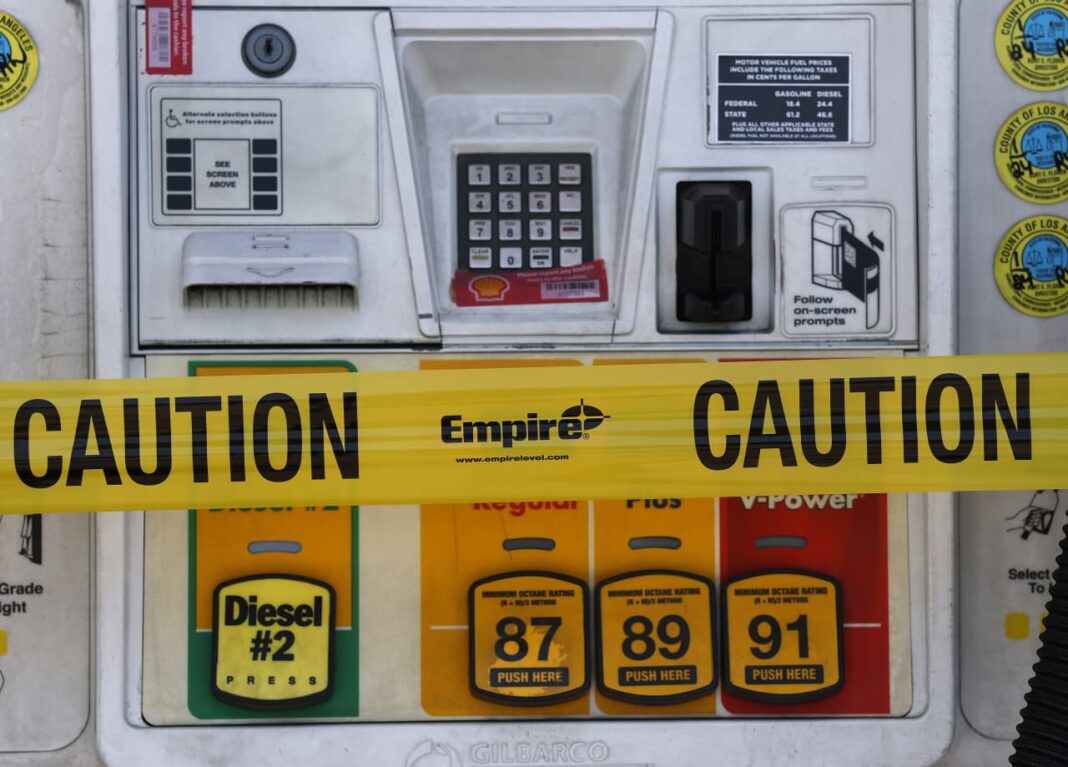
Rising tensions with Iran are set to impact more than just gas prices, according to Wall Street analysts. The escalating conflict following President Trump’s declaration that the cease-fire is over is expected to create significant headwinds for several sectors of the U.S. economy.
Airlines are among the most vulnerable industries, facing higher fuel costs and potential disruptions to international routes. Home builders also face pressure as increased uncertainty could push up interest rates and slow housing demand.
Energy companies might see a short-term boost from rising oil prices, but analysts warn the benefits will be limited. The broader economic fallout is expected to outweigh any gains for the oil sector.
The situation threatens to dampen consumer spending, as higher energy costs eat into household budgets. This ripple effect could slow growth across retail and manufacturing, adding to economic pressures.
Global supply chains remain a key concern, with tensions in the Middle East posing risks to shipping and logistics. Any further escalation could disrupt trade routes and raise costs for businesses.
Investors are closely watching Federal Reserve policy, as geopolitical instability may influence decisions on interest rates. A more cautious approach to monetary easing could weigh on stock markets.
The conflict adds another layer of uncertainty to an already volatile economic landscape. While the immediate impact is felt at the pump, the broader consequences will likely spread across many sectors in the coming months.