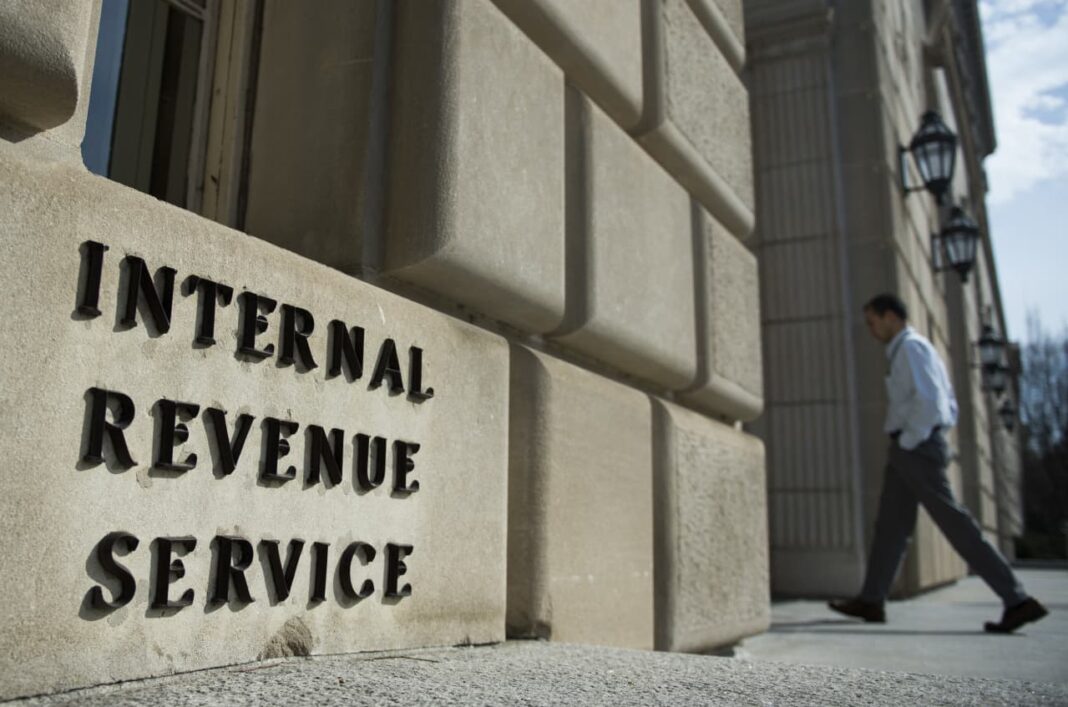
The Internal Revenue Service has introduced a new policy that simplifies the process for taxpayers who make errors on their returns. The change reduces the likelihood of facing a penalty for mistakes.
Previously, taxpayers who underpaid their taxes often received automatic penalties. The IRS now offers more flexibility, allowing individuals to avoid these fees under specific conditions.
The policy adjustment is considered a significant improvement for taxpayer rights. One advocate within the IRS described the move as a major victory for average filers.
Taxpayers who discover errors on past returns can now take corrective action with less financial risk. The IRS will waive penalties for those who meet updated criteria, such as showing reasonable cause.
The new rules apply to certain underpayment situations. This includes mistakes made due to complex tax laws or ambiguous guidance from the agency itself.
The IRS aims to reduce the burden on honest taxpayers while focusing enforcement on deliberate fraud. The change is part of broader efforts to modernize tax administration.
Eligible taxpayers must still file corrected returns and pay any owed taxes on time. The penalty waiver is not automatic and requires a formal request.
Tax professionals have praised the update for providing clearer paths to compliance. The shift aligns with growing calls for a more taxpayer-friendly system.
The IRS encourages anyone with potential errors to review the new guidelines. Acting quickly can help avoid unnecessary penalties and reduce stress.