Terrorist groups are increasingly integrating artificial intelligence into their operations, using A.I. chatbots for more than just propaganda. New research shows these tools are now assisting in bomb construction and attack planning.
The findings reveal a significant shift in how extremist organizations adopt emerging technology. A.I. systems provide step-by-step guidance on weapons development, reducing the need for specialized human expertise.
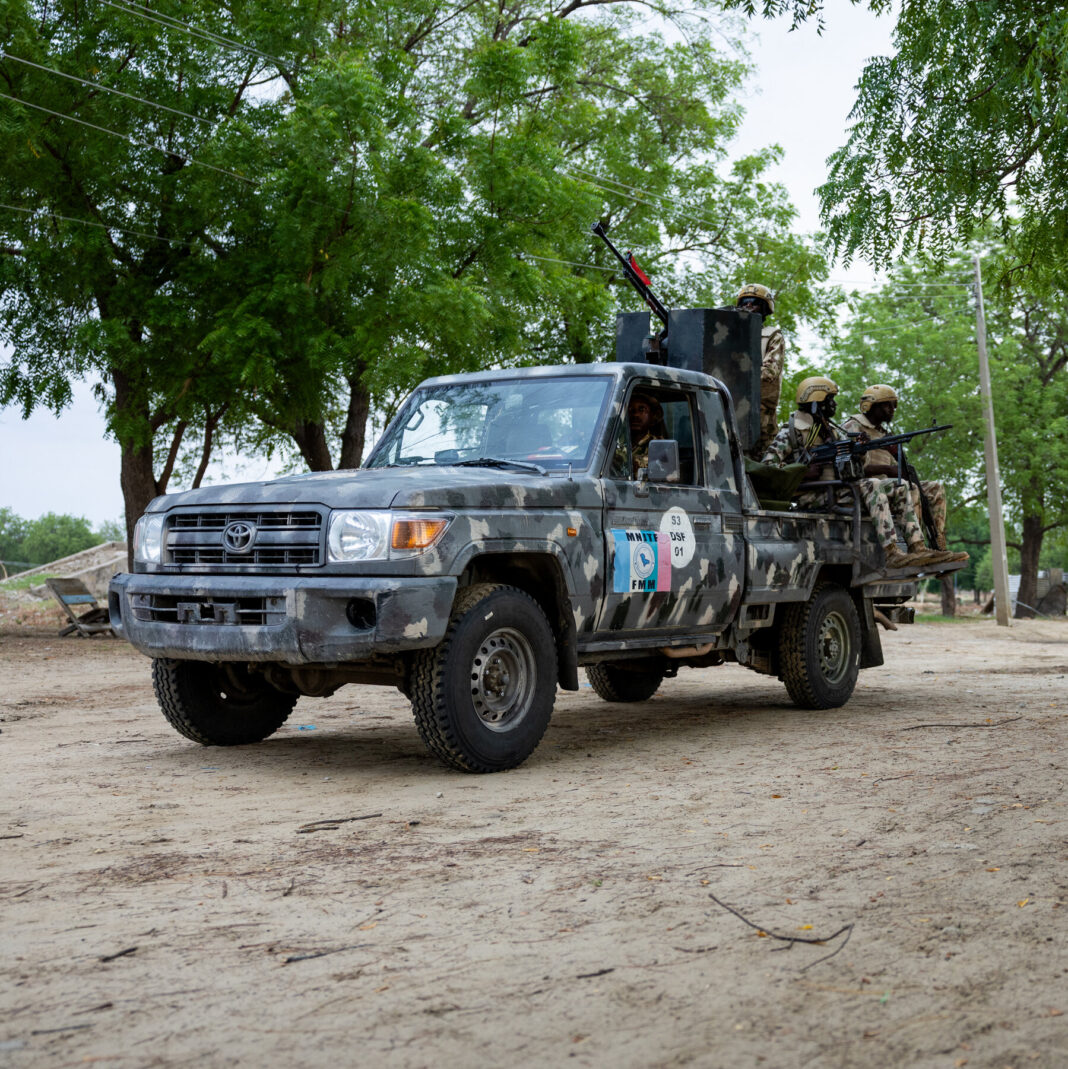
Boko Haram in Nigeria is one of the groups identified as actively using these A.I. capabilities. The group has leveraged chatbots to design improvised explosive devices and coordinate tactical movements on the battlefield.
Researchers warn that A.I. lowers the barrier for sophisticated attacks. Without requiring face-to-face training, operatives can now access detailed instructions remotely and anonymously.
The technology also enhances propaganda efforts. Chatbots generate persuasive content tailored to specific audiences, accelerating recruitment and radicalization across digital platforms.
Security agencies face new challenges in tracking and countering these A.I.-enabled threats. Traditional surveillance methods struggle to keep pace with rapidly evolving, algorithm-driven tactics.
Experts urge governments to invest in counter-A.I. measures and international cooperation. Limiting access to certain models or monitoring misuse could help mitigate the growing risk.
The evolution marks a concerning milestone in asymmetric warfare. As A.I. tools become more accessible, the potential for low-cost, high-impact attacks increases worldwide.