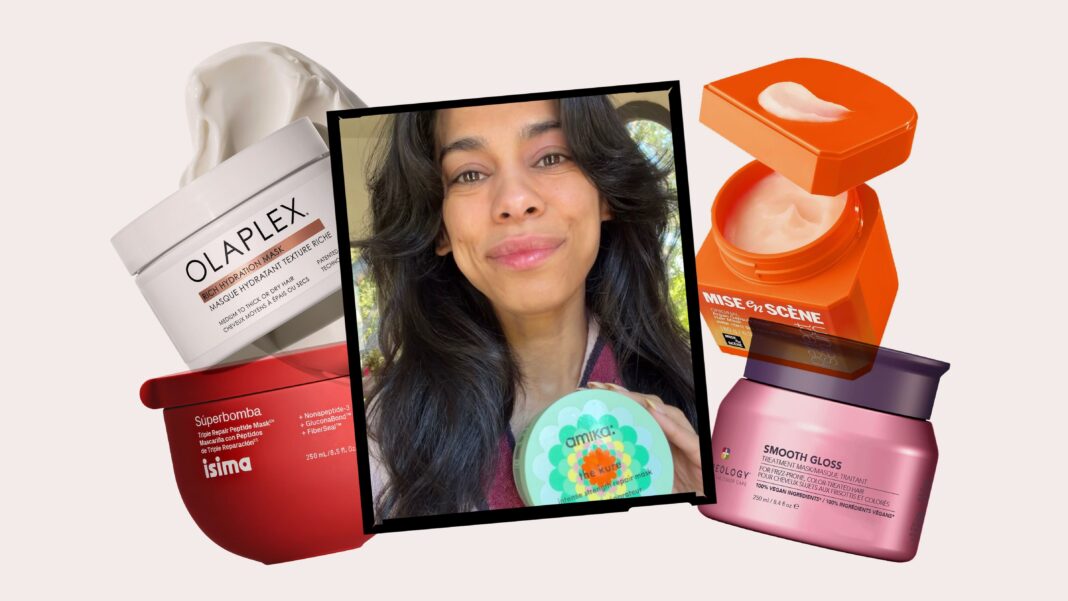
The search for smooth hair often leads to heavy, greasy products. A new category of hair masks offers frizz control without sacrificing volume. These treatments focus on lightweight hydration and sealing the hair cuticle.
Frizz occurs when hair lacks moisture, causing the cuticle to lift and absorb humidity. Effective masks use ingredients like argan oil, shea butter, or hyaluronic acid. These components penetrate the strand without leaving a residue.
One key formulation prioritizes film-forming humectants over heavy oils. Glycerin and aloe vera create a protective barrier. This traps moisture while preventing frizz-causing humidity from entering the hair shaft.
The best masks also incorporate protein for structural support. Hydrolyzed keratin or silk amino acids strengthen the hair. Stronger hair is less prone to the bending and swelling that leads to frizz.
Application technique impacts the results as much as the formula itself. Experts recommend applying the mask from mid-length to ends. This avoids greasiness at the scalp while targeting the driest areas.
Many masks now feature rinse-out formulas designed for quick absorption. Leaving the mask on for five to ten minutes is often sufficient. This convenience makes frizz control achievable within a typical shower routine.
Results vary based on hair porosity and texture. Coarse or curly types may benefit from richer masks. Fine, straight hair requires lighter, sprayable formulas to maintain bounce.
Frequent use does not necessarily cause buildup. Users can apply a protein-based mask weekly and a moisture mask on alternating weeks. This balanced approach maintains smoothness without compromising health.
Professionals notes that these masks work best with cool water rinses. Cool water helps seal the cuticle further. The final step should always be a lightweight oil or serum for added shine.