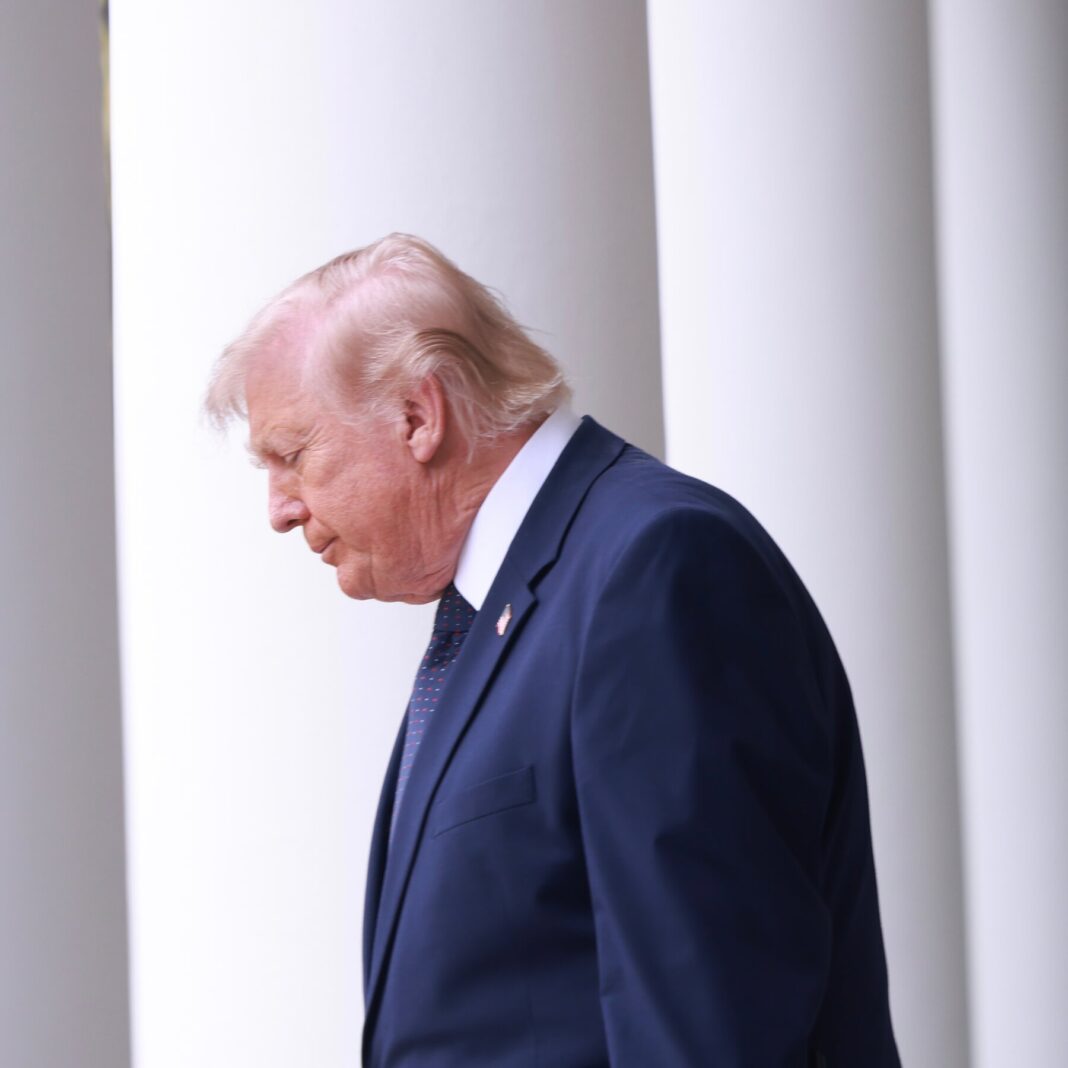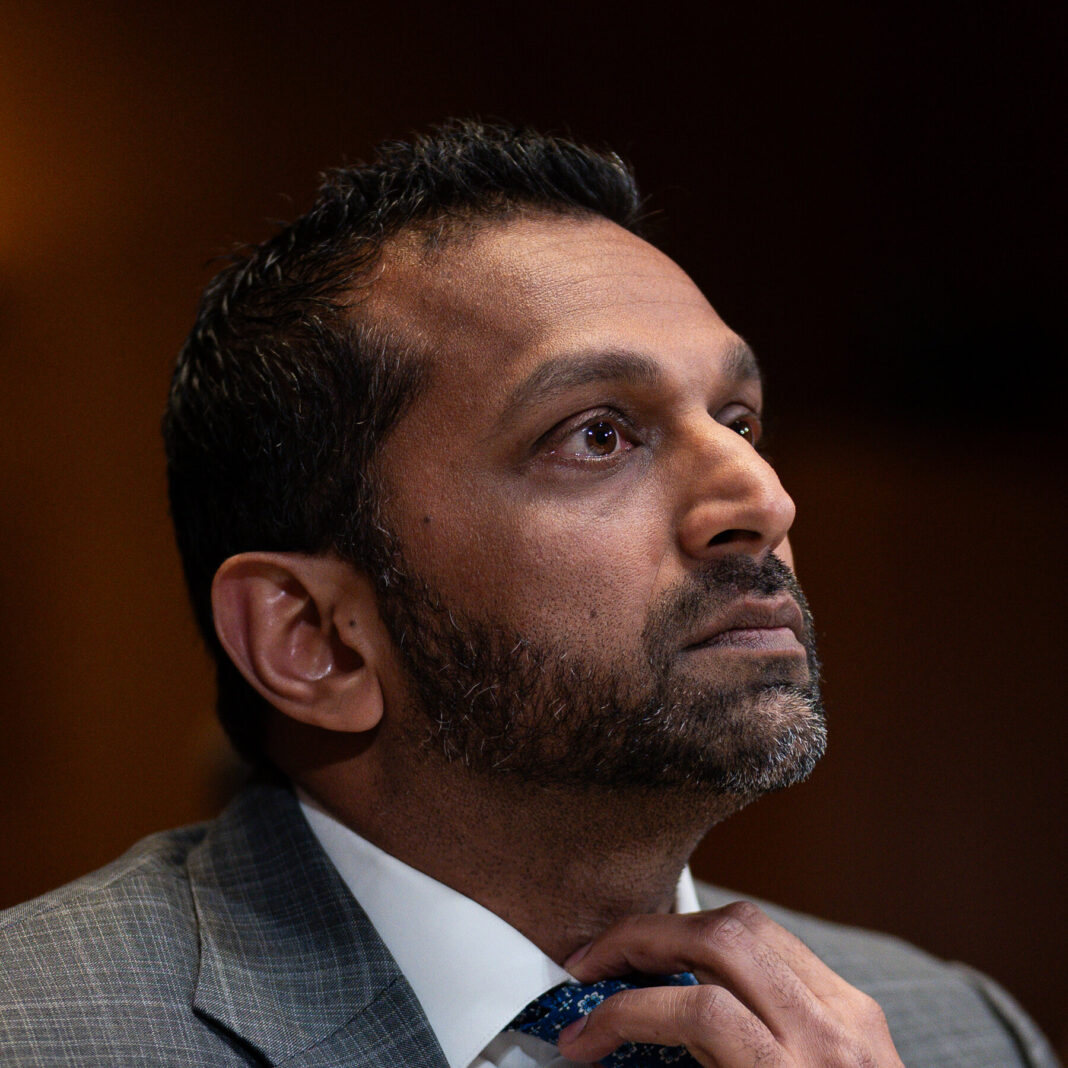
The White House directed F.B.I. Director Kash Patel to personally oversee an investigation involving reporting by The New York Times. Patel spent roughly eight hours at the White House on Friday working on the effort. The investigation led to the subpoenaing of several Times reporters.
Those reporters had written about the security of Air Force One. The White House’s direct involvement marks a significant shift in the handling of leak inquiries. It places the nation’s top law enforcement official at the center of a probe targeting journalists.
Patel’s extended stay at the White House highlights the administration’s focus on the case. F.B.I. directors typically maintain distance from White House influence to preserve investigative independence. Friday’s meeting suggests a departure from that norm.
The subpoenas targeted reporters who covered sensitive security protocols for the presidential aircraft. The legal action seeks to uncover the sources who provided that information. Journalists’ advocates have raised concerns about press freedom.
The White House has not publicly commented on the directive. The F.B.I. declined to provide details about the scope of the investigation. Patel’s role signals a high-priority effort within the administration.
Legal experts noted that such subpoenas often face court challenges. Reporters may refuse to disclose sources, citing First Amendment protections. The outcome could set a precedent for government-leak prosecutions.
The investigation continues to draw scrutiny from media watchdog groups. They argue that targeting journalists undermines democratic transparency. The case remains under active development.