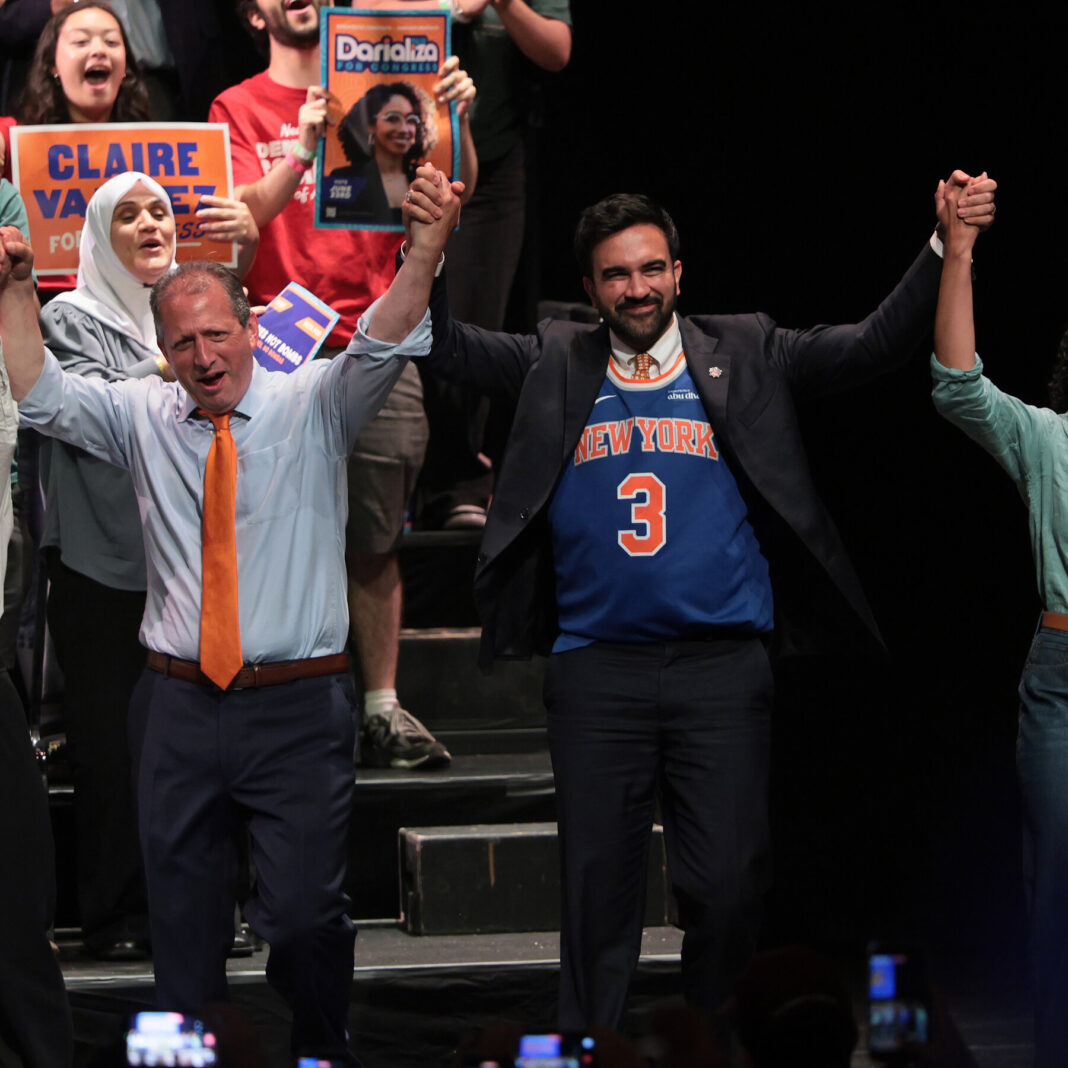
Younger voters are playing a decisive role in the Democratic Socialists of America’s recent primary victories in New York City. Age emerged as the strongest predictor of support for DSA-backed candidates in House races. The trend signals a growing generational shift in the city’s political landscape.
Data from primary elections shows a clear divide. Voters under 45 overwhelmingly backed DSA candidates. Those over 45 were more likely to support more moderate incumbents. The pattern held across multiple districts.
The surge highlights a broader national movement among younger Democrats. Economic concerns, including housing costs and student debt, are driving their votes. Many see the DSA as offering more direct solutions than traditional party leadership.
Organizers credit grassroots outreach on college campuses and social media for turning out young voters. Door-knocking and text-banking campaigns targeted neighborhoods with high concentrations of younger residents. The efforts paid off at the polls.
Incumbents faced a steep challenge from energized newcomers. In several races, seasoned politicians lost to first-time candidates with minimal name recognition. The upset results stunned political observers across the state.
Critics warn that the shift could alienate moderate voters in general elections. They argue that far-left positions on issues like policing and taxes may not appeal to the broader electorate. DSA supporters counter that enthusiasm among young voters can offset potential losses.
The trend is unlikely to reverse soon. Demographics in New York City are shifting toward a younger, more diverse electorate. Political analysts expect continued DSA gains in future primary cycles.
Local party leaders are now reassessing their strategies. Some are working to address the concerns driving young voters. Others are digging in for a longer battle over the party’s direction.