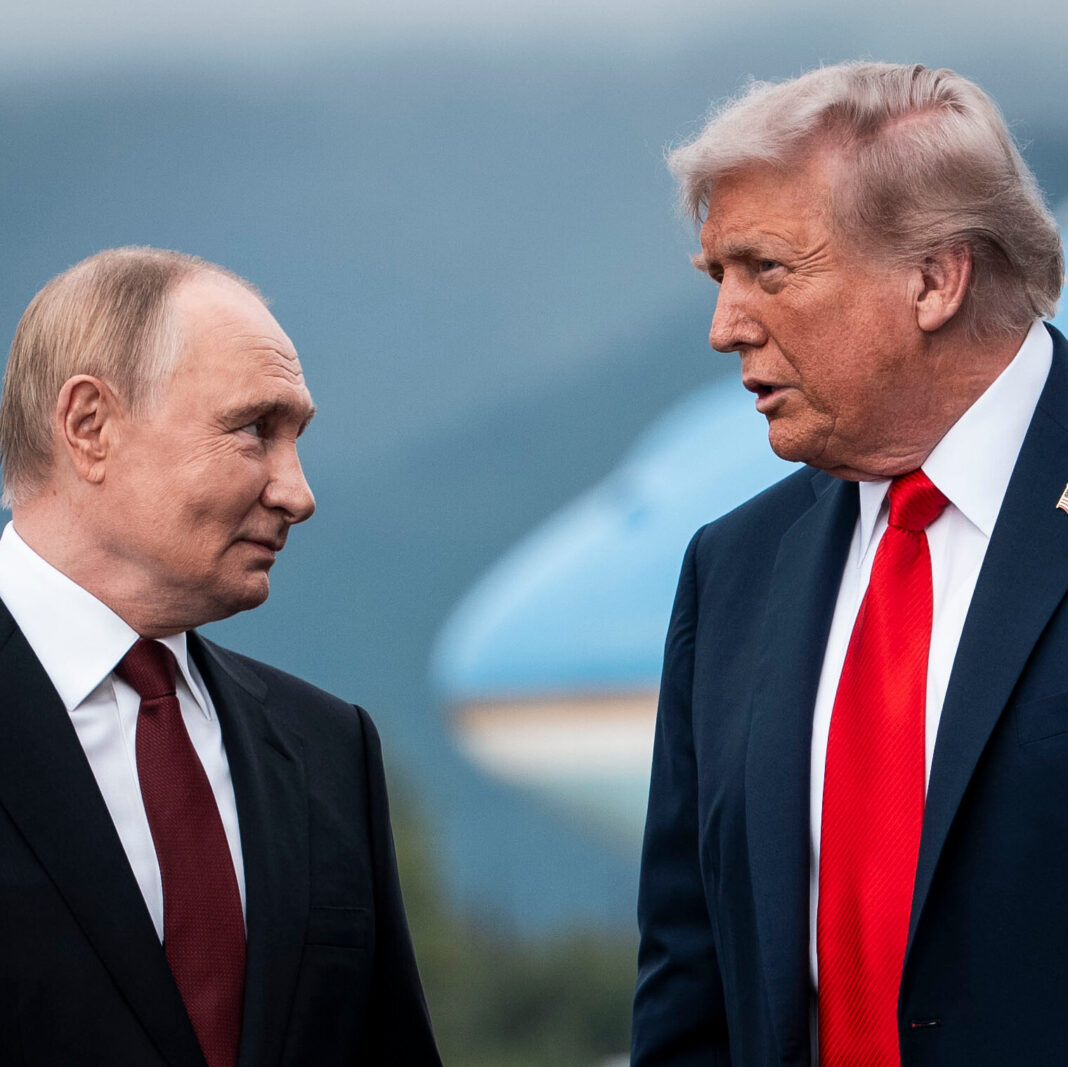
President Donald Trump entered office with promises to end what he called “endless wars.” His push for an exit from Iran’s conflict zones reflected a strategic pivot away from Middle Eastern entanglements. In contrast, his Russian counterpart, Vladimir Putin, doubled down on military aggression in Ukraine, escalating rather than de-escalating. Now, both leaders find themselves trapped by realities they once thought they could control.
The Iran and Ukraine wars highlight the limits of military force in achieving clear political outcomes. Despite overwhelming firepower, neither side has secured a decisive victory on the battlefield. The conflicts have ground into protracted stalemates, draining resources and lives without offering a clear path to peace.
Trump’s approach to Iran was marked by indecision and internal contradictions. He threatened retaliation for attacks on U.S. assets while simultaneously ordering troop reductions. That mixed message emboldened adversaries and confused allies, leaving American policy in a state of flux without a coherent exit strategy.
Putin, by contrast, remained dug in, refusing to negotiate any settlement on Ukraine that would imply defeat. His calculus assumed that time and attrition would break Ukrainian resistance and Western resolve. But sustained international support for Kyiv has frustrated that expectation, leaving Russian forces bogged down in a grinding war of attrition.
Both leaders now face the consequences of overestimating their ability to shape outcomes. Trump’s desire for an exit strategy has been stymied by Iran’s refusal to comply with U.S. demands. Putin’s aggression has produced a prolonged conflict with no end in sight.
The common thread is that military force, however overwhelming, cannot substitute for coherent political objectives. In Tehran and Kyiv, the absence of clear off-ramps has trapped both superpowers in wars they cannot win, yet struggle to abandon.
For the United States, the Iran situation illustrates the perils of vacillation. For Russia, the Ukrainian quagmire demonstrates the cost of overreach. Both wars serve as stark reminders that starting a conflict is far easier than ending one on favorable terms.