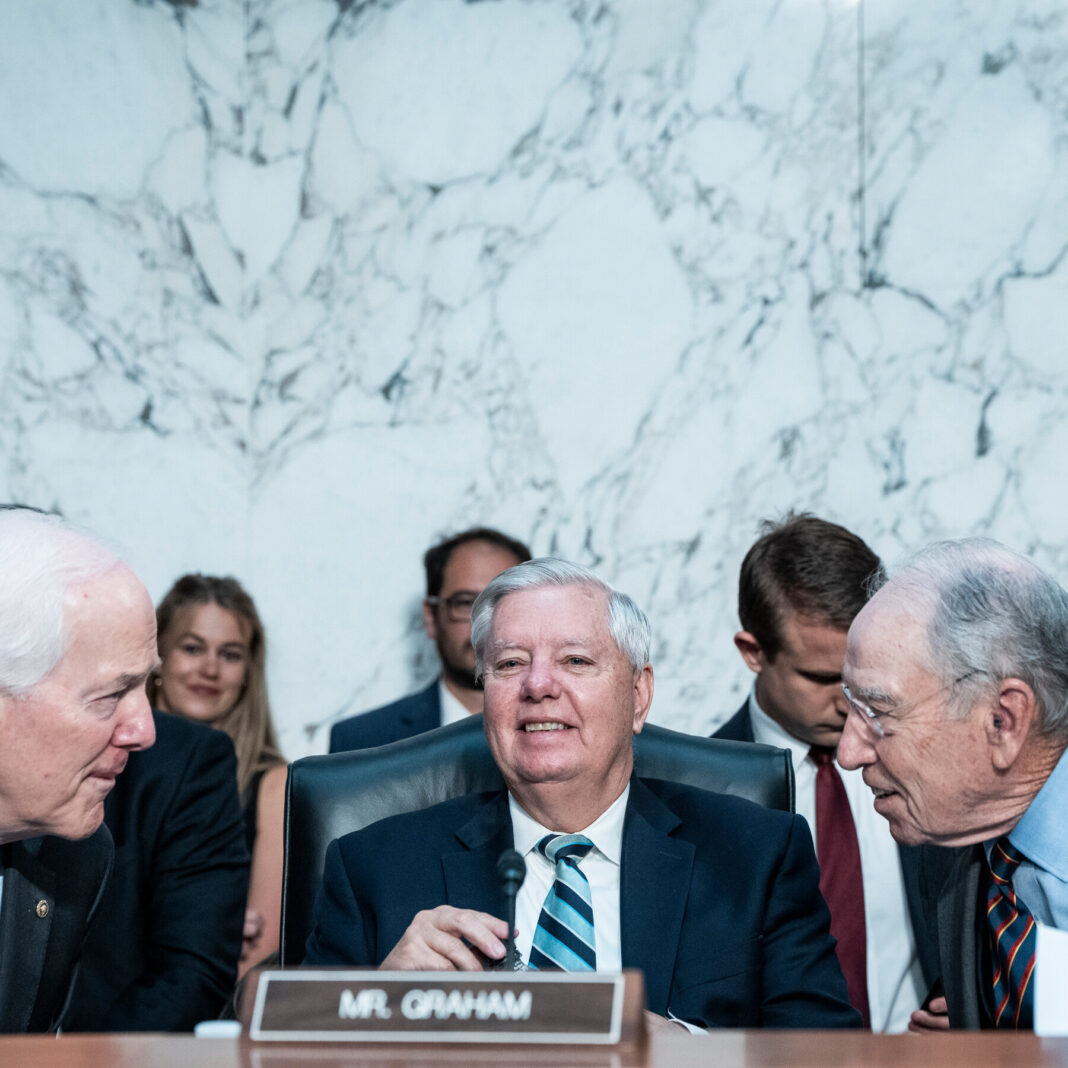
Senator Lindsey Graham’s sudden death has brought renewed attention to the advanced age of Congress. The South Carolina Republican served in the Senate, where the average age now exceeds 65 years. By that measure, Graham was not considered particularly old among his peers.
The incident has sparked a broader discussion about the impact of an aging legislature on governance. Critics argue that older lawmakers may be less in touch with younger generations and modern issues. Supporters counter that experience and institutional knowledge are invaluable assets.
Graham’s passing leaves a significant vacancy in the Senate. His committee assignments and leadership roles will need to be filled quickly. The succession process could shift the balance of power in key policy areas.
This event underscores the lack of term limits or age restrictions for federal lawmakers. Unlike many state offices, Congress has no formal mechanism to address age-related concerns. The debate over whether to implement such rules has resurfaced.
Public opinion polls show growing support for age limits among voters. A majority of Americans now favor mandatory retirement ages for elected officials. This sentiment cuts across party lines.
The tragedy also highlights the physical demands of the job. Long hours, constant travel, and high-stress negotiations can be challenging for older members. Some have called for better health support systems within Congress.
Ultimately, Graham’s death serves as a stark reminder of a systemic issue. The country must decide whether to adapt its governing institutions to reflect current realities. The conversation is just beginning.