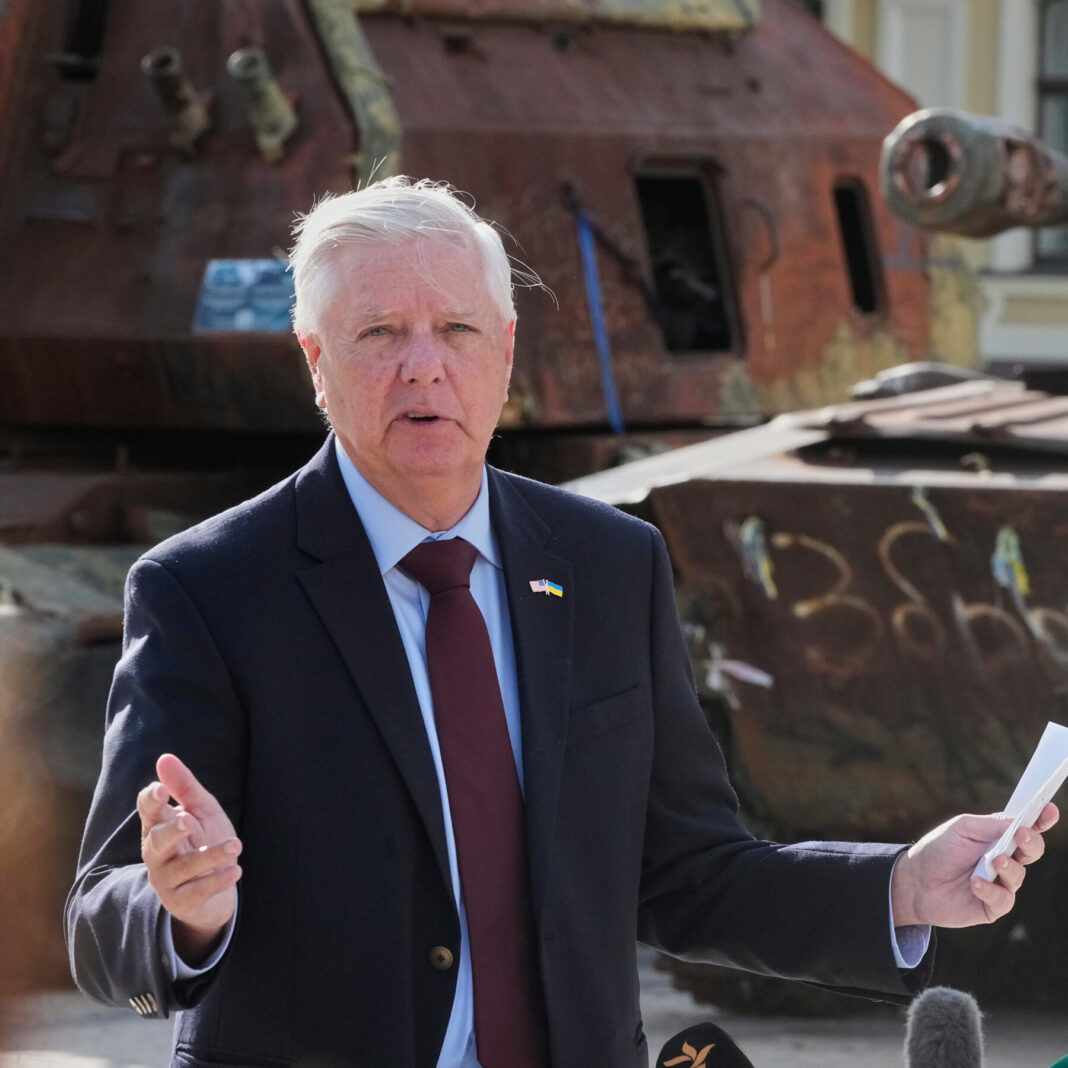
Senator Lindsey Graham of South Carolina has long served as Ukraine’s most influential advocate within President Trump’s political circle. His departure now removes a key voice from a landscape dominated by “America First” ideology. Graham consistently pushed for continued support for Kyiv as war raged.
His absence leaves a noticeable gap among Republicans who openly champion Ukraine’s cause. For years, Graham leveraged his close relationship with Trump to argue for sustained military and financial aid. That direct line to the White House is now gone.
The shift comes as Ukraine faces renewed pressure on the battlefield and in diplomatic talks. Without Graham in Trump’s ear, the path for additional aid packages appears more uncertain. Other pro-Ukraine voices in Congress lack the same personal access.
Graham’s influence was not just policy-driven but deeply personal. He often spoke of Ukraine’s fight as a moral imperative for the United States. His advocacy sometimes put him at odds with the party’s isolationist wing.
The changing dynamics underscore a broader realignment within the GOP on foreign policy. The party has moved away from its traditional interventionist stance under Trump’s influence. Ukraine now must rely on a smaller, less powerful set of allies.
Senators like Mitt Romney remain supportive, but they hold less sway with the administration. The loss of Graham signals a turning point in how Washington approaches the conflict. Bipartisan support for Ukraine is not what it once was.
For Ukrainian officials, this means adapting to a harsher political reality in Washington. Lobbying efforts will need to find new champions who can bridge the gap between U.S. interests and Kyiv’s survival. The fight for attention and resources just became steeper.