As skin matures, its needs change. Foundations designed for younger skin can settle into fine lines or emphasize dry patches. The best options for mature skin focus on hydration, luminosity, and a lightweight feel.
These formulas often include skin-beneficial ingredients like hyaluronic acid and peptides. They aim to smooth texture without caking or creasing throughout the day. A luminous finish is preferred over a matte one, as it helps reflect light and blur imperfections.
Makeup artists frequently recommend liquid or cream foundations over powder formulas. Liquids and creams tend to move with the skin rather than sitting on top of it. This flexibility reduces the appearance of lines and provides a more natural look.
Hydration is a key factor when selecting a foundation for aging skin. Dehydrated skin makes texture more pronounced and lines deeper. A foundation with built-in moisture helps keep the skin looking plump and healthy.
Many foundations now offer buildable coverage, allowing for a light tint or a more polished finish. This versatility lets users customize their look based on daily needs. A light to medium coverage often works best to avoid a heavy or mask-like appearance.
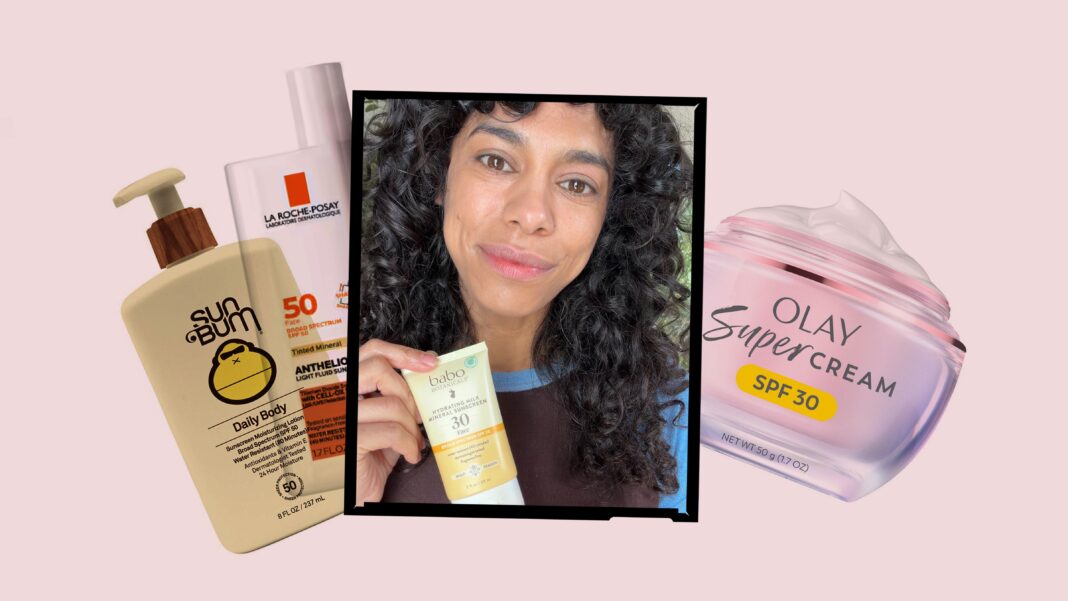
SPF protection is another feature to consider. Sun damage accelerates visible signs of aging, so daily protection is essential. Foundations with SPF can simplify a morning routine while safeguarding the skin.
Application methods also matter. Using a damp sponge or a dense brush can help blend the product seamlessly. Warm fingers are another option, as they help melt the foundation into the skin for a second-skin effect.
Ultimately, the right foundation enhances natural beauty without drawing attention to texture. It smooths, blurs, and hydrates while offering a comfortable wear. A thoughtful choice can make a significant difference in the overall appearance of mature skin.