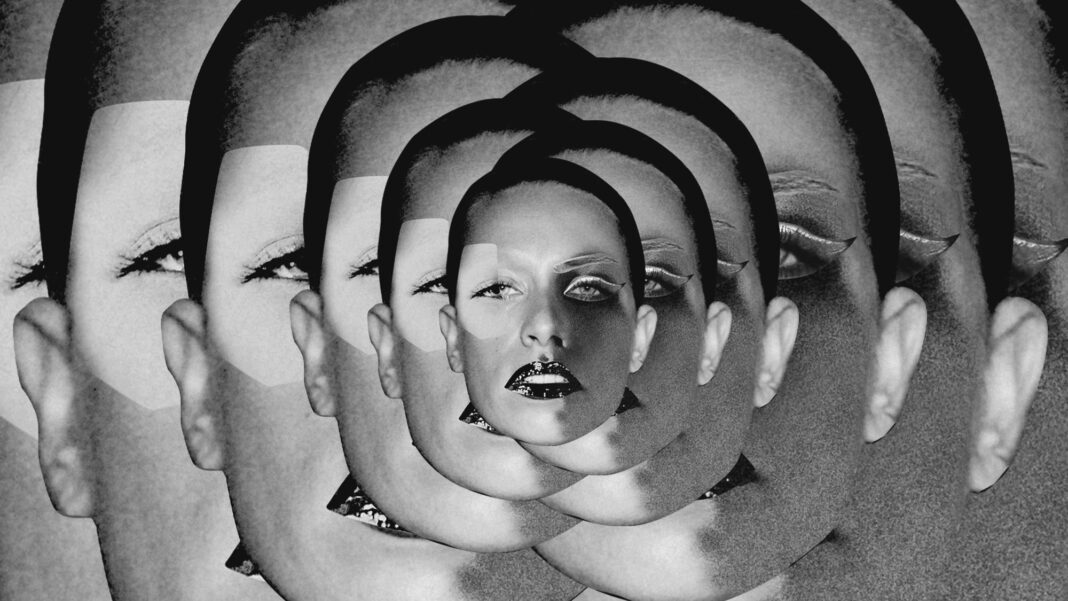
The manifestation trend has moved into the beauty industry, creating a growing market of self-proclaimed experts who promise followers can think themselves into being more attractive.
These online influencers market techniques that blend positive thinking with visualisation exercises. Users are told to repeat affirmations and picture their desired appearance as already achieved.
The practice borrows from the law of attraction, a philosophy suggesting thoughts directly shape reality. Beauty manifestation applies this to physical traits, including clear skin, symmetrical features, and weight loss.
Critics argue the trend sells false hope. Dermatologists and psychologists note that no amount of mental focus can alter genetics or cure underlying medical conditions affecting appearance.
Despite scientific pushback, the trend continues to grow on platforms like TikTok and Instagram. Followers often pay for courses, coaching sessions, or downloadable guides promising quick aesthetic results.
Some experts warn the trend may worsen self-esteem issues. When visualisation fails to produce physical changes, users may blame themselves rather than recognising the technique’s limitations.
The beauty industry has long relied on aspirational marketing. Manifestation represents a new chapter, combining self-help rhetoric with consumer culture.
As with many online wellness trends, the claims remain unsupported by clinical evidence. Buyers should approach such promises with caution, prioritising proven skincare and medical advice over thought-based transformation.