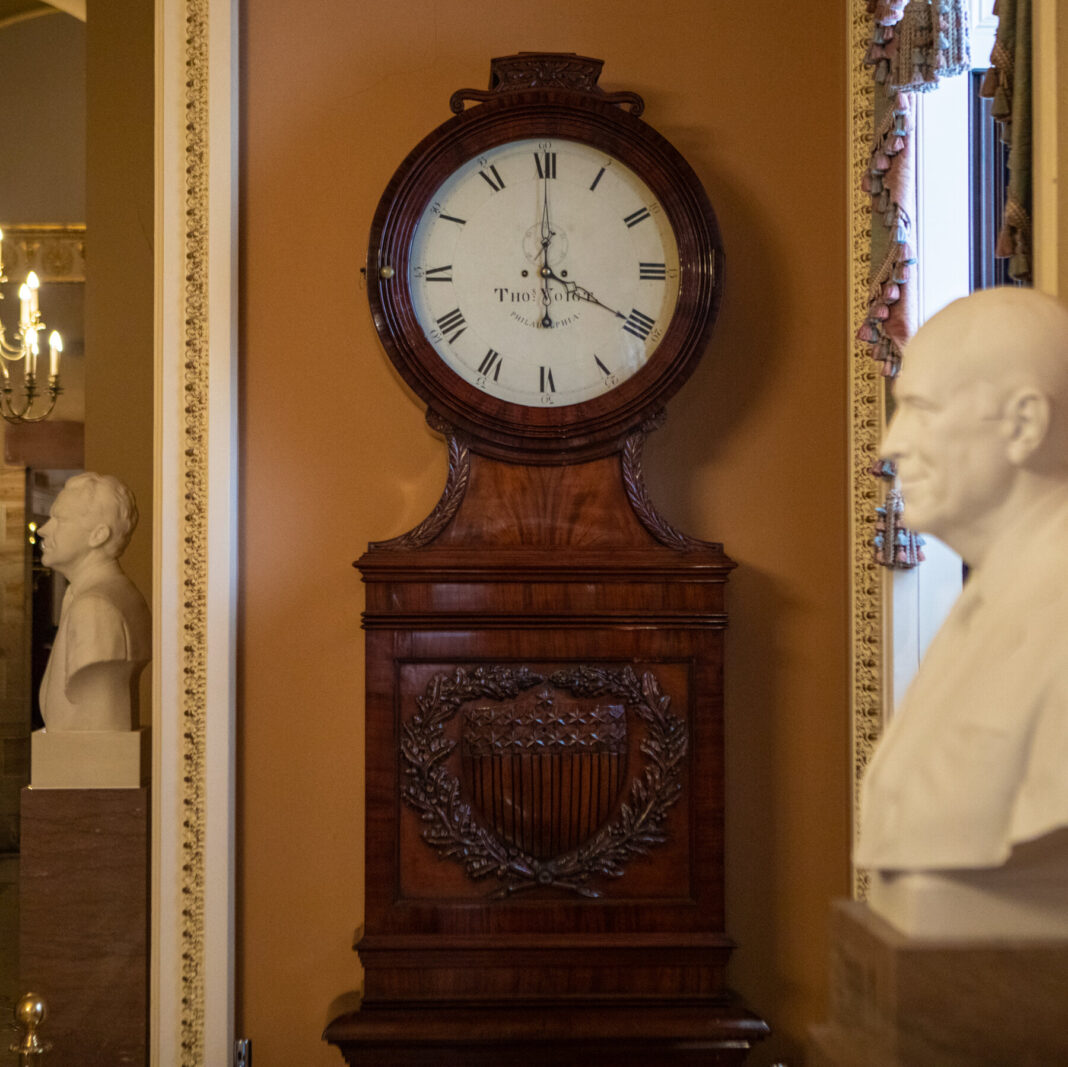
The House of Representatives voted this week to make daylight saving time permanent across the United States. Republicans and Democrats united in support of the bill, which aims to end the semiannual practice of changing clocks twice a year.
The legislation, known as the Sunshine Protection Act, passed with strong bipartisan backing. Lawmakers argued the current system disrupts sleep schedules and creates confusion for businesses and families.
Supporters say permanent daylight saving time would boost economic activity. Extended evening daylight could benefit retail, recreation, and tourism industries. Proponents also highlight potential public health gains from more consistent sleep patterns.
Opponents have raised concerns about darker winter mornings. Some experts warn the change could lead to more morning accidents, particularly for children traveling to school. Public opinion remains divided on the issue.
The bill now moves to the Senate, where its fate is uncertain. Similar measures have stalled in previous years, facing resistance from both parties. Debate is expected to focus on regional impacts and safety concerns.
If passed, the change would take effect later next year. States that currently observe standard time for part of the year would permanently shift to daylight saving time. States already on permanent standard time could opt out.
The House vote represents a rare moment of bipartisanship on a contentious issue. Lawmakers from both sides described the bill as a practical fix for an outdated practice. The Senate will take up the measure after the August recess.