President Trump, known for his ability to pressure other nations into submission, faces a uniquely stubborn adversary in Iran. The cease-fire he helped negotiate is now collapsing, leaving his administration struggling to develop a coherent strategy.
Trump is accustomed to dominating opponents through economic pressure and diplomatic threats. In the past, this approach has forced countries like China and North Korea to the negotiating table.
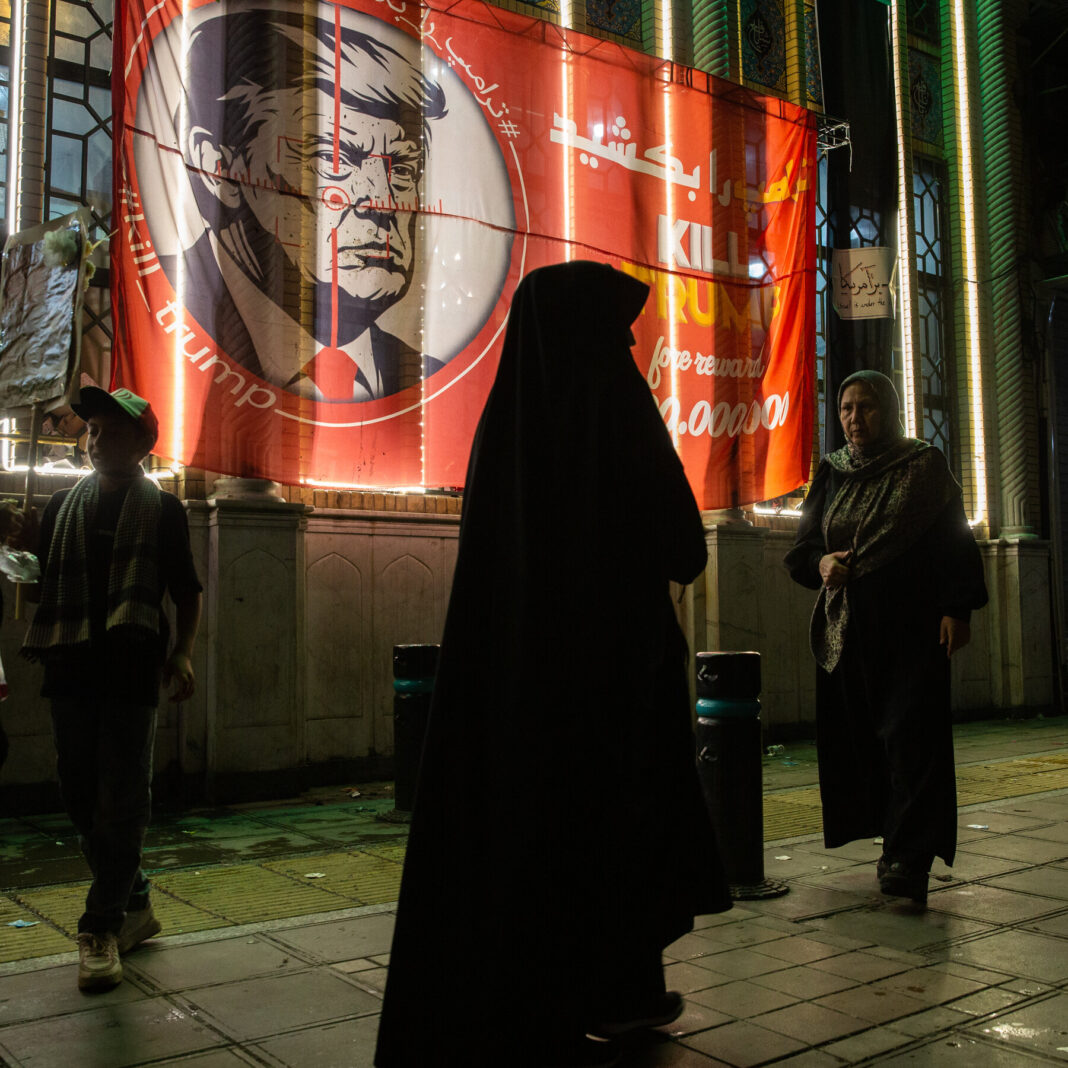
However, Iran has proven more resistant to such tactics. The Islamic Republic has a long history of surviving sanctions and military confrontation, making it a difficult target for quick concessions.
The breakdown of the cease-fire has reignited hostilities in the region. Reports indicate increased missile strikes and drone attacks, putting U.S. military personnel on high alert.
Military experts note that a direct ground war with Iran presents severe logistical challenges. Unlike other conflicts, Iran boasts a large military and regional proxies that complicate any American advantage.
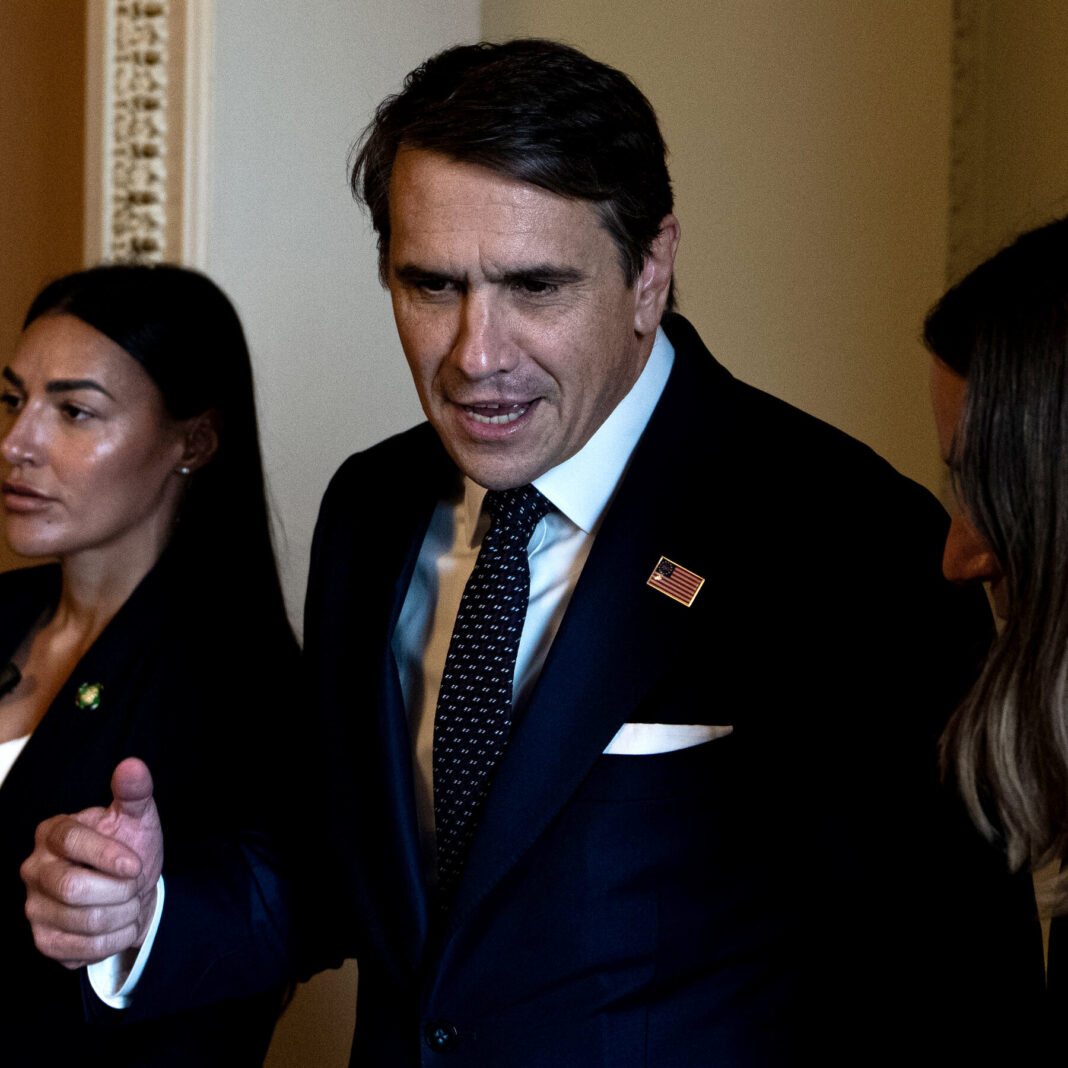
The president’s team is now divided on how to proceed. Some advisors push for escalating economic sanctions, while others advocate for a renewed diplomatic push.
Despite Trump’s reputation for deal-making, Iran’s leadership shows little interest in compromise. The White House admits that extracting meaningful concessions will require patience and a long-term plan.
As the situation deteriorates, the administration faces a critical test. Whether Trump can adapt his approach to a foe he cannot easily dominate remains uncertain.