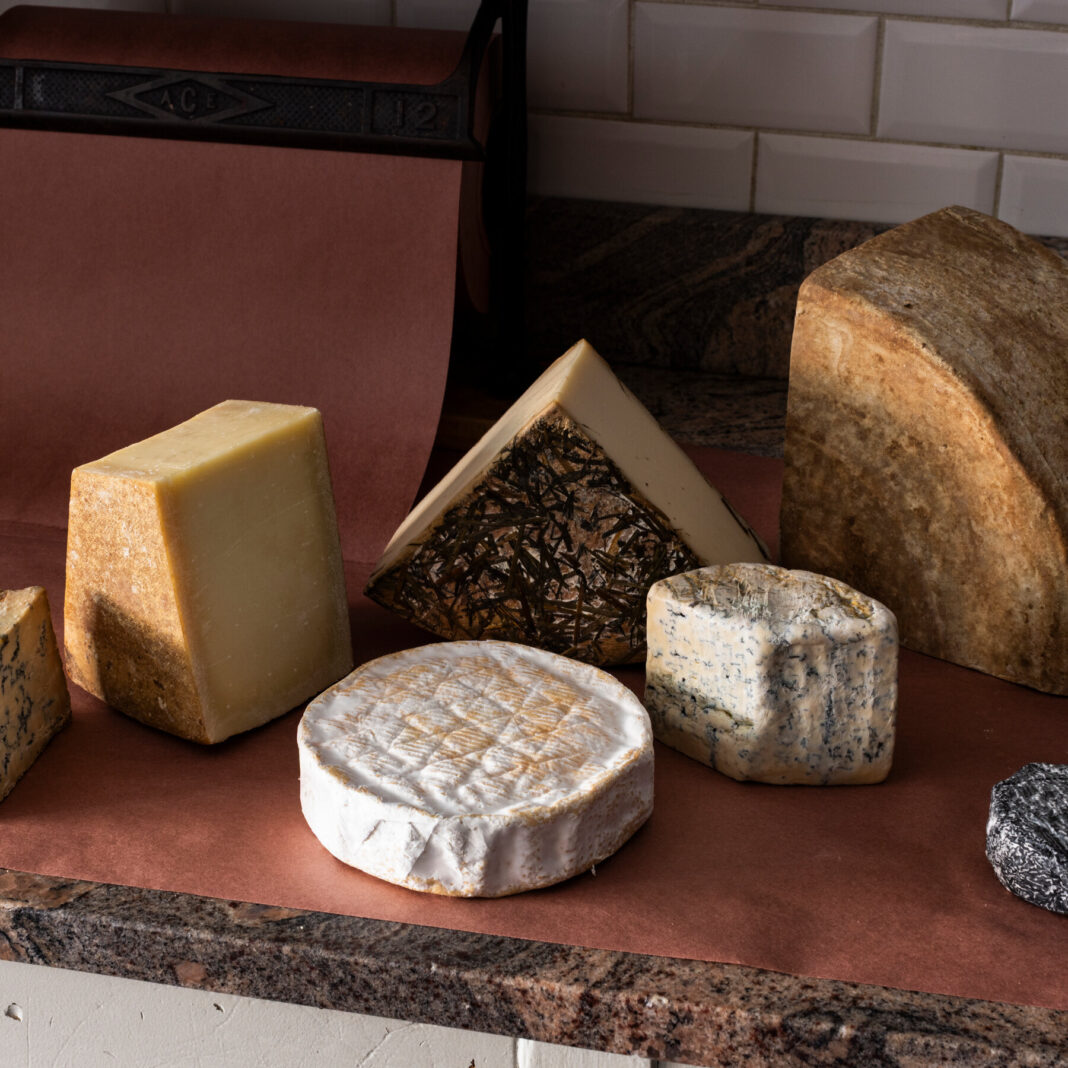
The art of cheesemongering requires deep expertise and longstanding producer relationships. Yet the modern retail environment is making this profession increasingly difficult to sustain. Rising costs and shifting consumer habits now challenge even the most dedicated cheesemongers.
Cheese sales have faced a steady decline in recent years. Grocery chains and specialty shops report shrinking margins on artisan products. Customers increasingly opt for cheaper, mass-produced alternatives over handcrafted cheeses.
The job itself demands rigorous knowledge of aging, texture, and flavor profiles. Cheesemongers must also navigate complex supply chains and manage perishable inventory with precision. One mistake can lead to significant financial loss.
Longstanding relationships with small dairy farms are vital for quality. These partnerships require trust and consistent orders, but fluctuating demand makes commitments risky. Many producers now struggle to find reliable buyers willing to pay fair prices.
Retailers are also grappling with labor shortages. Skilled cheesemongers are hard to find and retain, leading to inconsistent service and reduced product education for customers. This erosion of expertise further dampens sales.
Consumer trends compound the challenge. Plant-based diets and health concerns have cut into traditional cheese consumption. Even loyal cheese lovers are buying less or seeking budget-friendly options.
The path forward remains uncertain for the industry. Some shops experiment with subscription boxes or pop-up events to spark interest. Others focus on online sales and direct-to-consumer shipping to bypass retail hurdles.
Despite the difficulties, passion for cheese endures among dedicated mongers and producers. They continue to adapt, hoping to preserve a craft that has brought joy and flavor to tables for centuries.