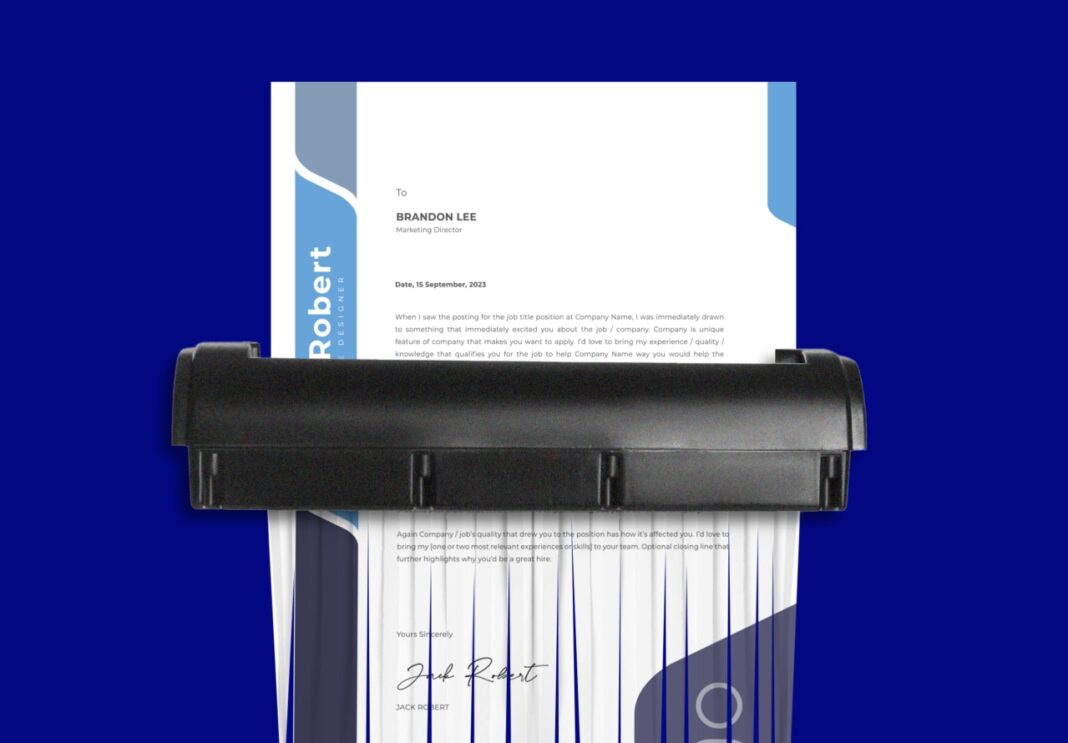
Cover letters are increasingly viewed as obsolete in the modern job market, thanks largely to the rise of artificial intelligence tools.
AI now powers many applicant tracking systems, scanning resumes for keywords rather than reading personal introductions.
Yet industry experts note that AI has also made cover letters easier to generate, flooding recruiters with generic submissions.
Despite this shift, there remain specific scenarios where a cover letter can still provide value.
Applying to smaller companies or startups may warrant a tailored letter, as these firms often prioritize personal fit.
Jobs requiring strong written communication skills also benefit from a well-crafted cover letter demonstrating ability.
For positions at large corporations heavy with automated screening, a cover letter rarely influences the initial decision.
Submitting a generic AI-generated cover letter can harm an applicant’s credibility if detected.
Experts advise job seekers to focus their efforts on refining resumes and building professional networks instead.
Cover letters should be reserved for roles where a personal touch can genuinely differentiate a candidate.
The recruiter’s time is limited, and long-form writing often goes unread in high-volume hiring processes.
Ultimately, the decision to send a cover letter depends on the company culture and the specific job requirements.
Strategic use of cover letters remains a tool for niche opportunities rather than a standard requirement.