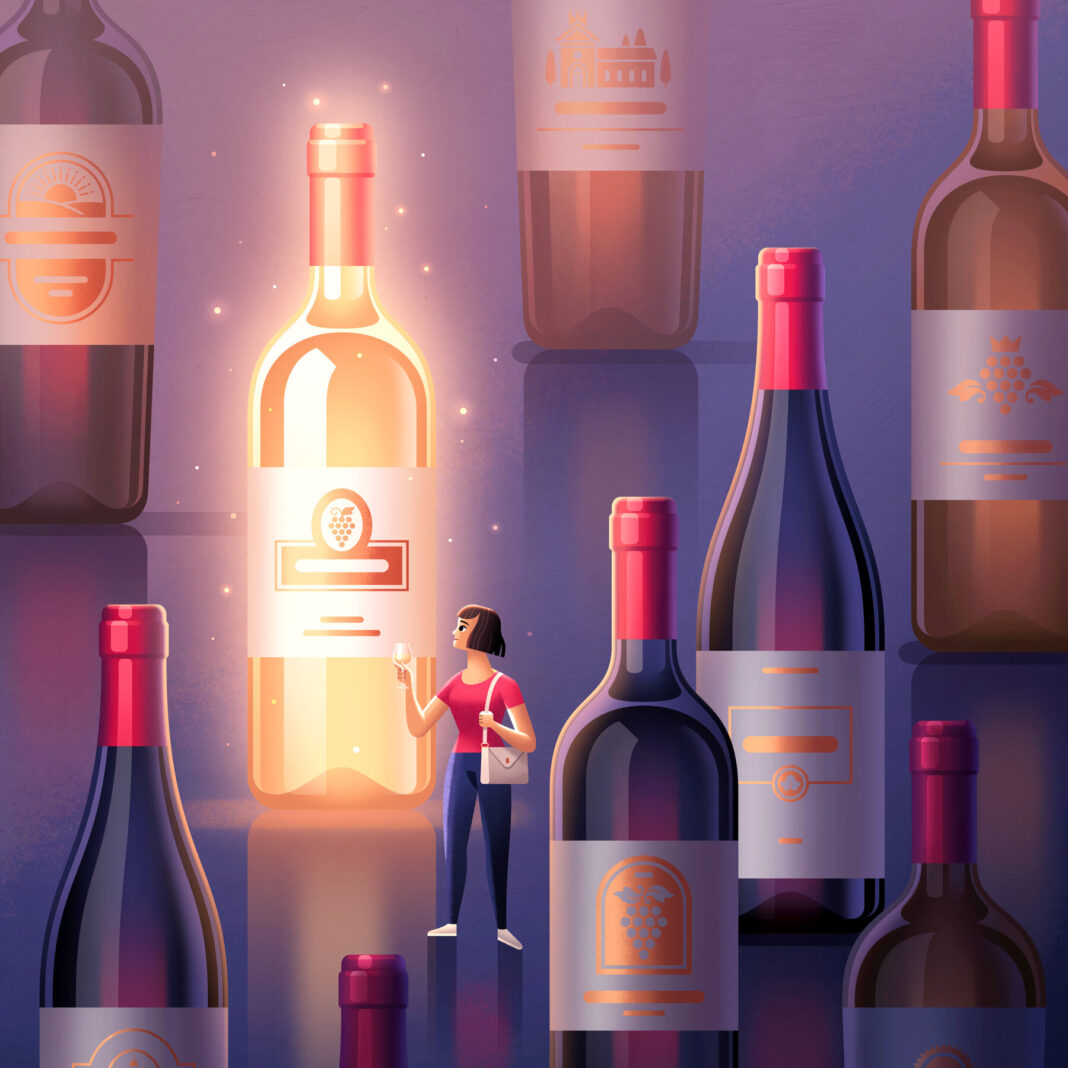
A significant difference in dining enthusiasm can signal deeper relationship issues. When one partner constantly tracks restaurant reservations while the other shows little interest, it creates a notable disconnect.
This disparity often extends beyond simple food preferences. It reflects differing values around experience, adventure, and shared social activity. The highly engaged diner may see meals as central to their lifestyle and joy.
For the less interested partner, dining out might feel like a routine obligation. They may prefer simplicity, cost-saving, or quiet evenings at home. This fundamental mismatch in priorities can lead to recurring friction.
The conflict typically surfaces during planning. One person eagerly researches new openings, while the other feels pressured or indifferent. This dynamic can make shared decision-making frustrating and one-sided.
Such a gap is rarely about the food alone. It frequently points to broader compatibility questions regarding curiosity, spontaneity, and how a couple chooses to spend time and money together. It tests compromise and communication.
Addressing the divide requires honest conversation. Partners can discuss their individual needs and seek a middle ground, like alternating choice nights or finding cuisines that appeal to both. The goal is mutual understanding.
Ignoring the issue often leads to resentment. The food-enthusiast may feel unsupported, while their partner feels dragged along. Recognizing this “restaurant gap” is a crucial step in evaluating long-term harmony.