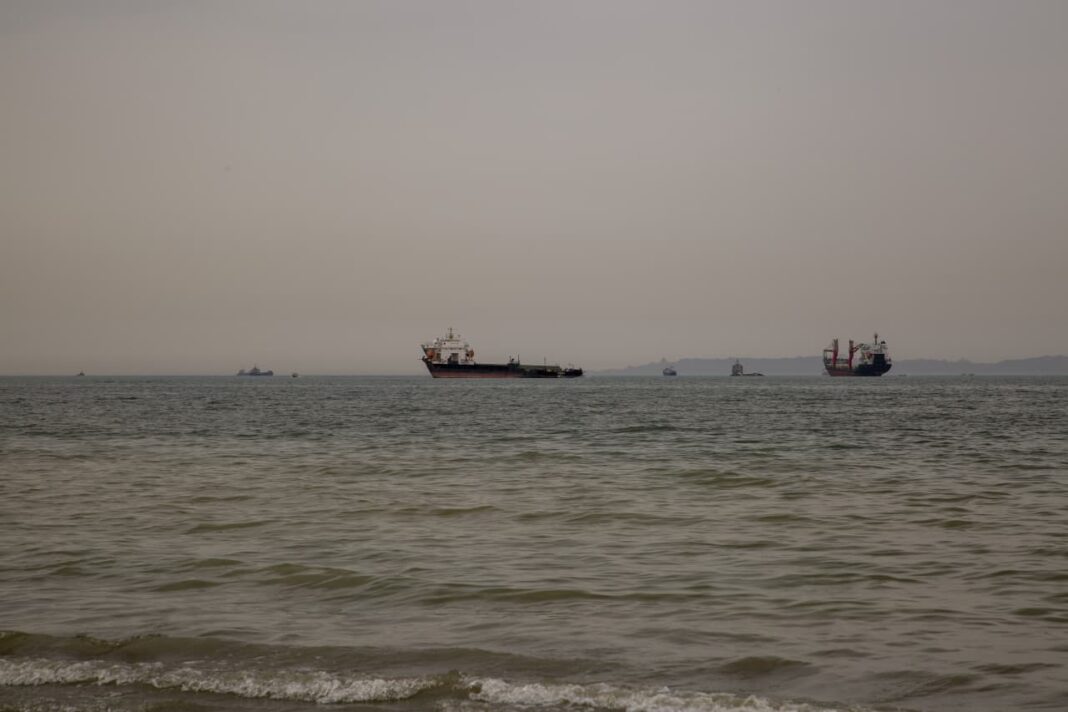
Global oil prices surged back to $100 a barrel. This sharp increase follows heightened tensions in a key maritime corridor. Iran’s recent actions against oil tankers in the Strait of Hormuz triggered the rally.
The strategic waterway is a vital artery for global crude shipments. Any threat to transit there immediately impacts market sentiment. Investors are pricing in the risk of potential supply disruptions.
This price movement underscores how geopolitical events directly influence commodity markets. The incident highlights the fragility of global energy supply chains. Market volatility often follows such regional escalations.
The rally marks a significant psychological threshold for traders. It reflects growing concerns over sustained tightness in physical oil markets. These concerns now extend beyond refinery issues and summer demand.
Analysts note that real-world supply disruptions are beginning to materialize. The situation moves past earlier pressures like high gasoline prices for consumers. The market is reacting to tangible threats to crude flow.
Such events can have a cascading effect on the broader economy. Transportation and manufacturing costs often rise with higher oil prices. Central banks also monitor these developments for inflationary impacts.
The focus now shifts to the potential for further escalation or diplomatic resolution. Market stability will depend on the security of this critical shipping lane. Traders will watch for any additional disruptions or strategic responses.