Long-term supply agreements fueling the artificial intelligence boom may not be as reliable as companies claim.
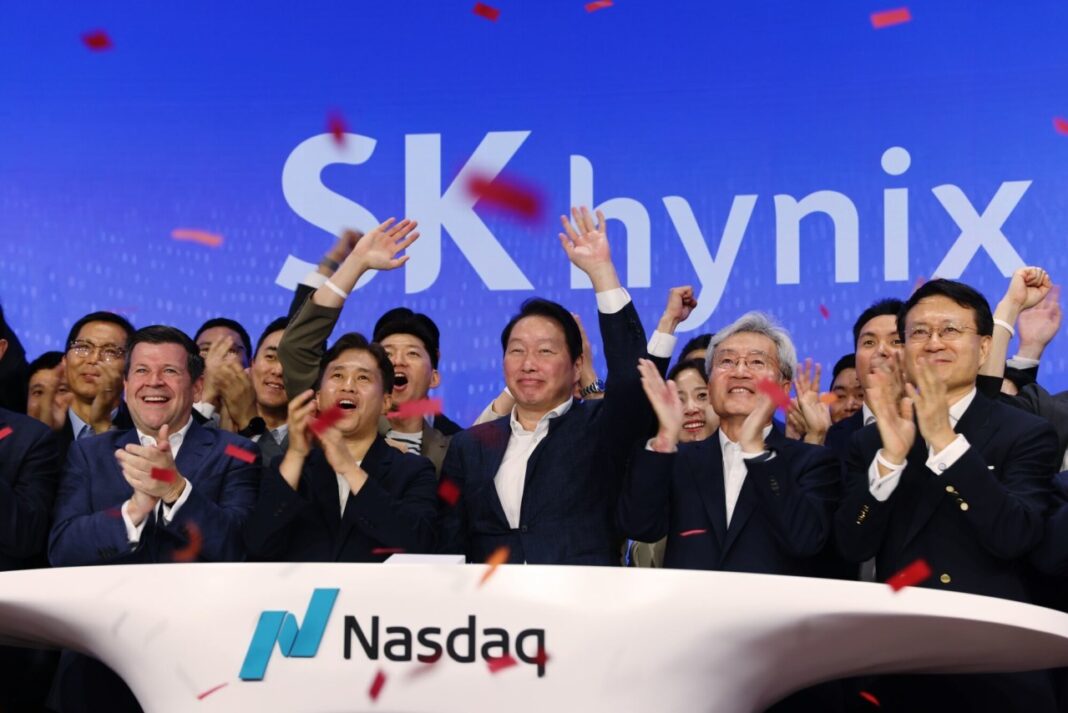
Major chipmakers like SK Hynix have promoted multi-year contracts as signs of stable demand. These deals are often presented as locked-in commitments from AI hardware buyers.
However, industry insiders say these arrangements contain escape clauses and volume adjustments. Buyers can reduce orders without heavy penalties if market conditions shift.
The contracts typically lack fixed pricing over their full duration. Price renegotiations happen quarterly, leaving suppliers exposed to sudden downturns.
This flexibility protects buyers from overcommitting during uncertain technology cycles. But it also means suppliers cannot fully rely on projected revenue streams.
The structure mirrors past patterns in the memory chip industry. Previous boom-and-bust cycles saw similar contracts unravel as demand evaporated.
For investors, this creates hidden risk beneath the headline hype. Market enthusiasm has driven valuations to lofty levels based on seemingly guaranteed orders.
Analysts warn the actual commitment levels are far softer than portrayed. The supply deals are more like handshake agreements with legal backing than ironclad guarantees.
If AI spending slows, these contracts could quickly become liabilities. Suppliers would face excess inventory and falling prices, reminiscent of past downturns.
The disconnect between marketed certainty and contractual reality remains significant. Investors betting on sustained AI demand should examine the fine print closely.