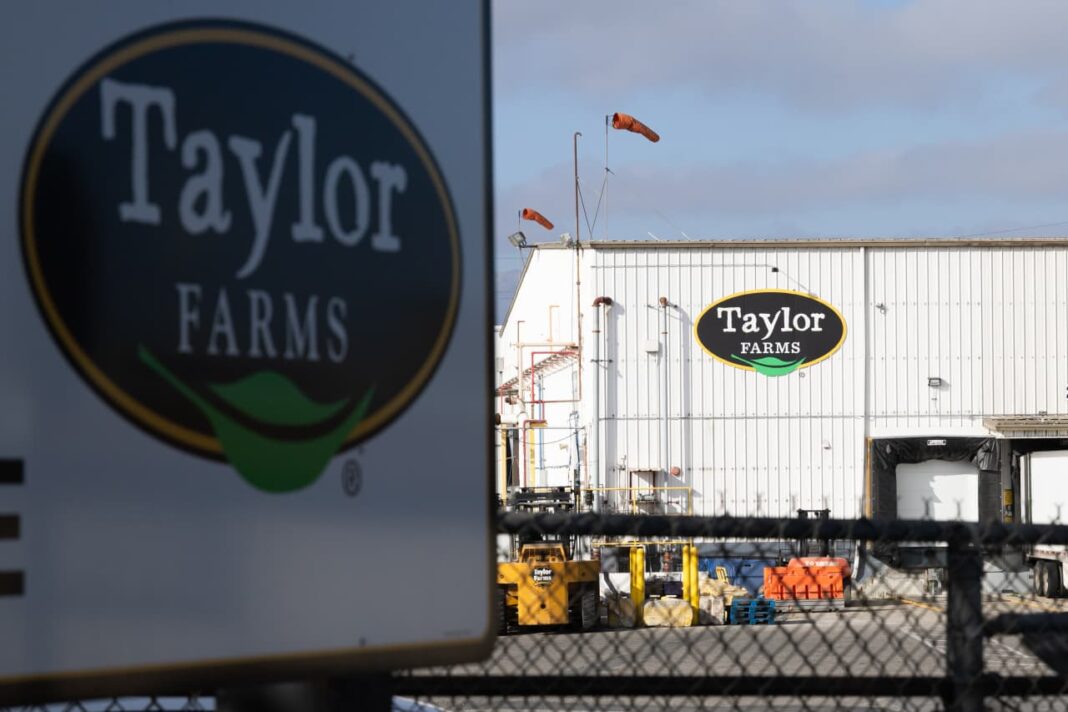
The Food and Drug Administration has publicly apologized to Taylor Farms after initially linking the company’s iceberg lettuce to a cyclospora outbreak. The agency and the Centers for Disease Control and Prevention continue investigating the source of the infection. Taylor Farms products were sold at McDonald’s, Kroger, and other retailers.
Detecting cyclospora in food is “notoriously difficult,” according to food safety experts. The parasite is microscopic and does not always show up in standard lab tests. This makes it challenging to trace contamination back to a specific farm or batch.
The FDA’s apology is rare and signals a shift in how the agency handles public health warnings. It acknowledges that misattributing an outbreak can harm a company’s reputation and bottom line. Taylor Farms faced significant financial losses after the initial warning.
The current investigation focuses on iceberg lettuce, but no single source has been confirmed. Cyclospora outbreaks are often linked to imported produce, though domestic cases have been reported. The FDA and CDC are working with state partners to collect samples.
Symptoms of cyclospora infection include watery diarrhea, stomach cramps, and fatigue. The illness can last weeks if untreated. Most cases are linked to eating contaminated fresh produce, especially in spring and summer.
Consumers are advised to wash all produce thoroughly and check for recall notices. Restaurants and retailers have removed Taylor Farms lettuce from shelves as a precaution. The FDA continues to update its investigation findings online.
This case highlights the difficulties in tracking foodborne illnesses within complex supply chains. Accurate testing methods are essential for protecting public health. The FDA is exploring new technologies to improve pathogen detection in fresh produce.