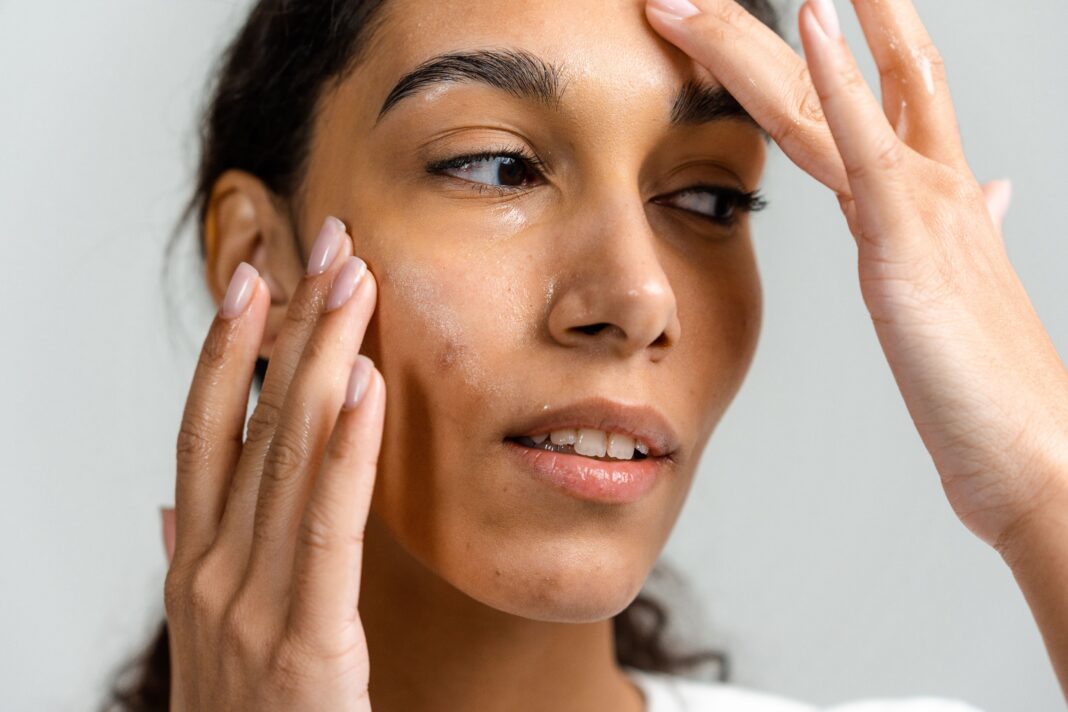
Eczema and milia can appear together, creating a challenging skin care dilemma. Eczema causes red, itchy, inflamed patches on the skin. Milia are small, hard, white bumps filled with keratin.
Dermatologists note that these conditions have different causes and treatments. Eczema results from an overactive immune response and a damaged skin barrier. Milia form when dead skin cells trap keratin near the surface.
Treating one condition can worsen the other if not done carefully. Aggressive exfoliants for milia may irritate eczema-prone skin. Heavy moisturizers for eczema can clog pores and increase milia.
Dermatologists recommend a gentle, layered approach to address both issues. Use fragrance-free, non-comedogenic moisturizers to hydrate without blocking pores. Apply these products to damp skin to seal in water and support the barrier.
For milia, avoid picking or scrubbing the bumps. Instead, use mild chemical exfoliants like low-concentration salicylic acid. Apply only to areas without active eczema flares. Stop use if stinging or redness occurs.
Prescription treatments may help when over-the-counter options fail. Topical steroids calm eczema but should not be used on milia. Retinoids can treat milia but may irritate eczema, so doctors prescribe them with caution.
A dermatologist can create a personalized plan that balances both conditions. They may recommend separate products for different areas of the face. Regular follow-ups help adjust the routine as skin changes.
Patience is key when treating eczema and milia together. Improvement takes weeks, not days. Avoid switching products too quickly, which can trigger flares or new bumps.