Oral minoxidil, long used as a blood pressure medication, is gaining attention as an affordable treatment for hair loss. Originally available as a topical solution, an oral version has emerged as a low-cost option, with some users reporting positive results for as little as $10 per month.
The drug works by widening blood vessels and improving blood flow to hair follicles. This process can stimulate regrowth in those experiencing thinning hair. Unlike topical treatments, oral minoxidil offers a pill form that avoids scalp irritation for sensitive users.
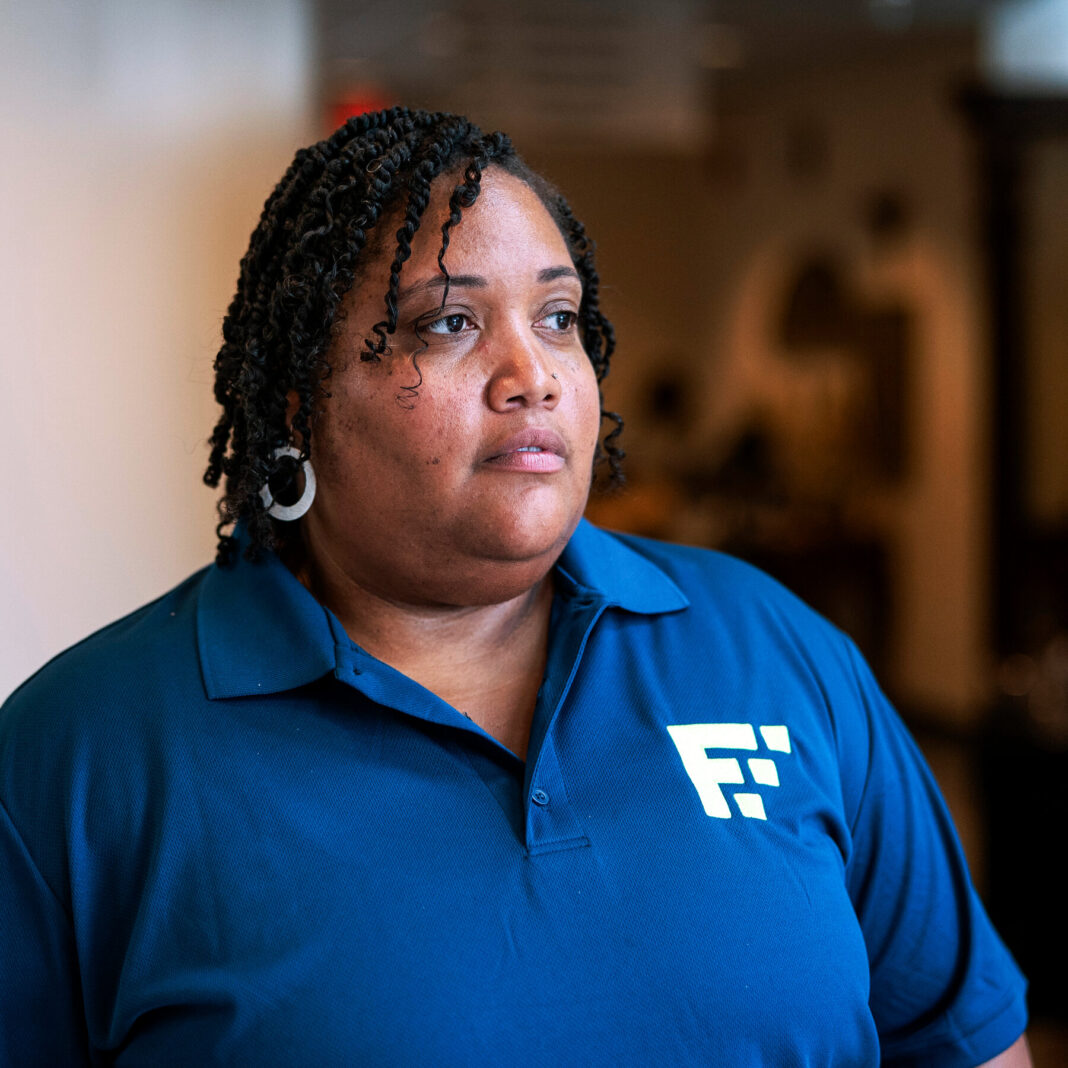
Ten women recently shared their experiences with the drug, covering both benefits and drawbacks. Many reported noticeable hair regrowth within three to six months of daily use. Some described thicker strands and reduced shedding, which improved their confidence.
However, side effects were common in their accounts. A few women experienced initial shedding, a temporary increase in hair loss before regrowth began. Others noted unwanted hair growth on the face or body, as well as dizziness or fluid retention.
Dosage plays a critical role in managing these side effects. The typical prescription starts at a low dose, often 0.25 to 0.5 milligrams per day. Doctors adjust the amount based on individual response, aiming for hair benefits while minimizing risks.
Oral minoxidil is not approved by the FDA for hair loss, but it is prescribed off-label by many dermatologists. This makes access dependent on a doctor’s willingness to prescribe it. Patients are advised to discuss potential heart or kidney concerns before starting treatment.
The cost factor adds to its appeal, especially compared to branded hair loss treatments. A month’s supply can range from $10 to $30, depending on insurance and pharmacy. This affordability makes it a practical option for long-term use.
Not every user achieves dramatic results. Success varies based on the cause of hair loss and individual biology. Women with genetic thinning tend to respond better than those with temporary shedding from stress or illness.
Medical experts caution against self-medicating with this drug. Blood pressure monitoring may be needed, and sudden changes can be risky. Only a healthcare provider can determine the right dose and safety measures.
Overall, oral minoxidil offers a promising, budget-friendly alternative for some women. Those interested should consult a dermatologist to weigh potential gains against possible side effects. The real cost may be less about dollars and more about informed decisions.