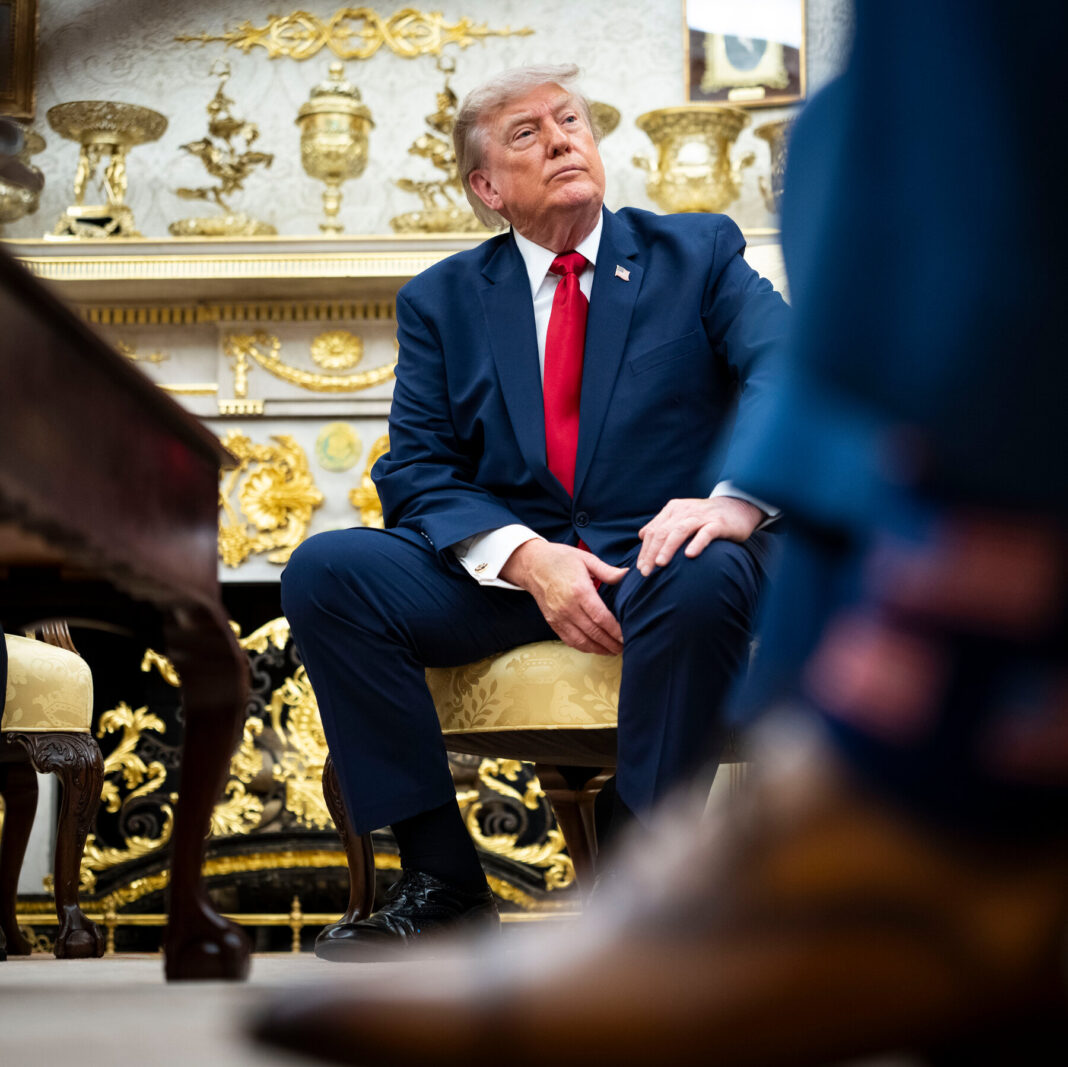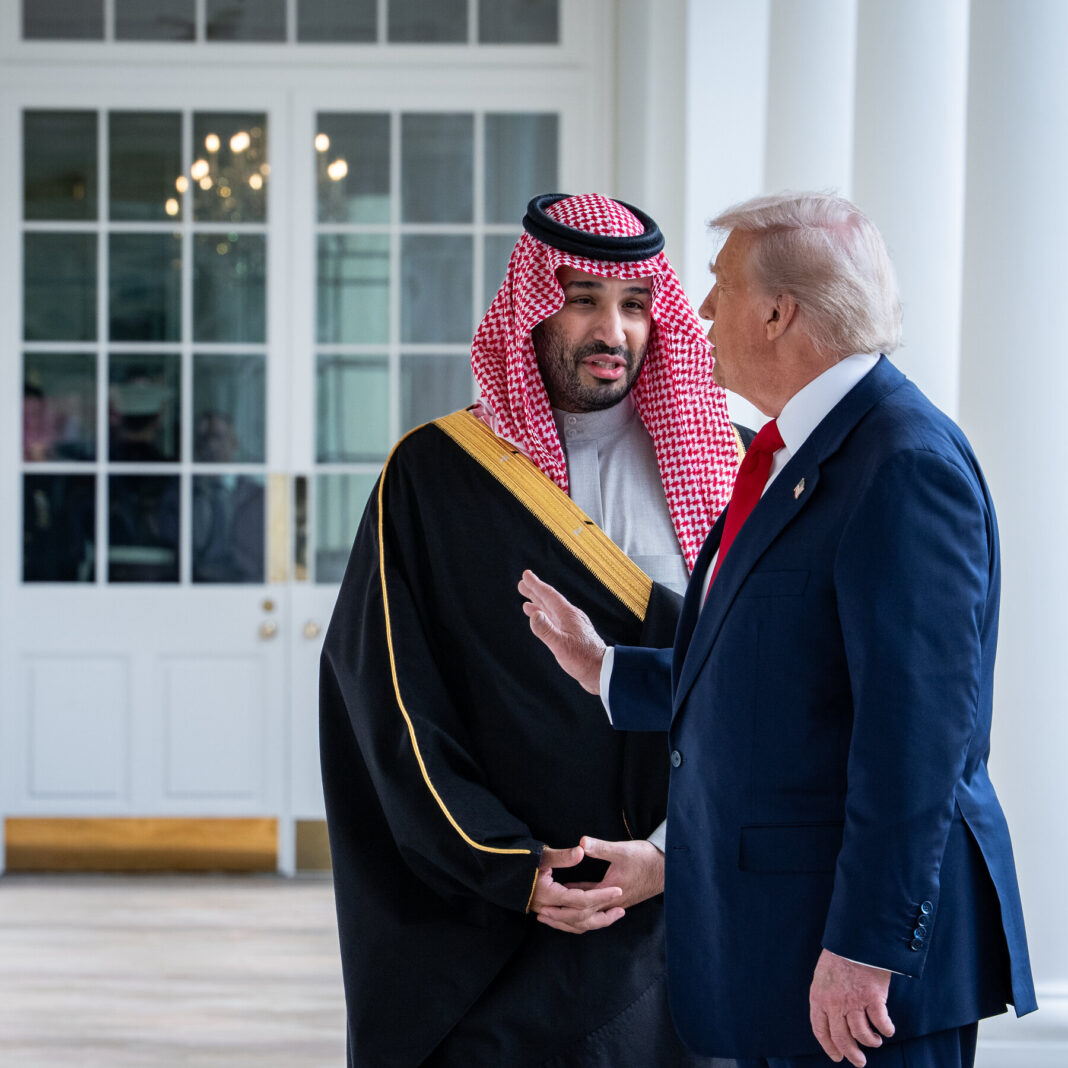
The Trump administration has relaxed key nuclear standards for Saudi Arabia, according to a recent deal. Nuclear experts warn this move fuels atomic proliferation risks. The agreement could create a destabilizing situation that raises the danger of nuclear war.
The deal permits Saudi Arabia to enrich uranium and reprocess spent fuel on its own soil. These capabilities are typically tightly controlled under nonproliferation agreements. Critics argue the arrangement undermines decades of U.S. policy aimed at preventing new nuclear states.
Saudi leaders have long sought such terms. They cite economic benefits and energy independence as justification. However, the kingdom has also stated it would pursue nuclear weapons if Iran obtains them. This condition has heightened international concern.
The agreement bypasses standard safeguards required of other allies. Previous administrations insisted on strict monitoring and prohibitions on enrichment. The new terms grant Saudi Arabia significant leeway that experts call unprecedented.
Regional rivals, including Iran, are closely watching the development. Analysts suspect Tehran may use the deal as justification to accelerate its own nuclear activities. This could trigger a cascade of competing nuclear programs across the Middle East.
The decision also complicates relations with established U.S. allies like Israel. Israel has historically opposed nuclear programs in neighboring states. The deal may pressure Israel to reassess its own policies or seek new security assurances.
The administration has defended the deal as a strategic necessity. Officials argue it strengthens the bilateral relationship and counterbalances Iran influence. Yet opponents in Congress are vowing to challenge the terms in upcoming legislative sessions.