The U.S. economy is sending mixed signals ahead of the midterm elections. Inflation remains stubbornly high while unemployment stays near record lows. This unusual combination has left voters confused and anxious.
Consumer prices have climbed steadily for months, driven by housing and services. Grocery bills and rent continue to strain household budgets. Wage growth has not kept pace for many workers.
The Federal Reserve has kept interest rates elevated to fight inflation. Borrowing costs for mortgages and credit cards remain painful. Yet the labor market shows few signs of cracking under pressure.
A growing sense of unease surrounds artificial intelligence. Workers fear automation could eliminate jobs across retail, logistics, and office roles. Some economists say the threat is overstated, but polls show real public worry.
Economic data presents a puzzle for forecasters. Traditional models struggle to explain strong hiring alongside weak consumer sentiment. Voters report feeling worse off than official numbers suggest.
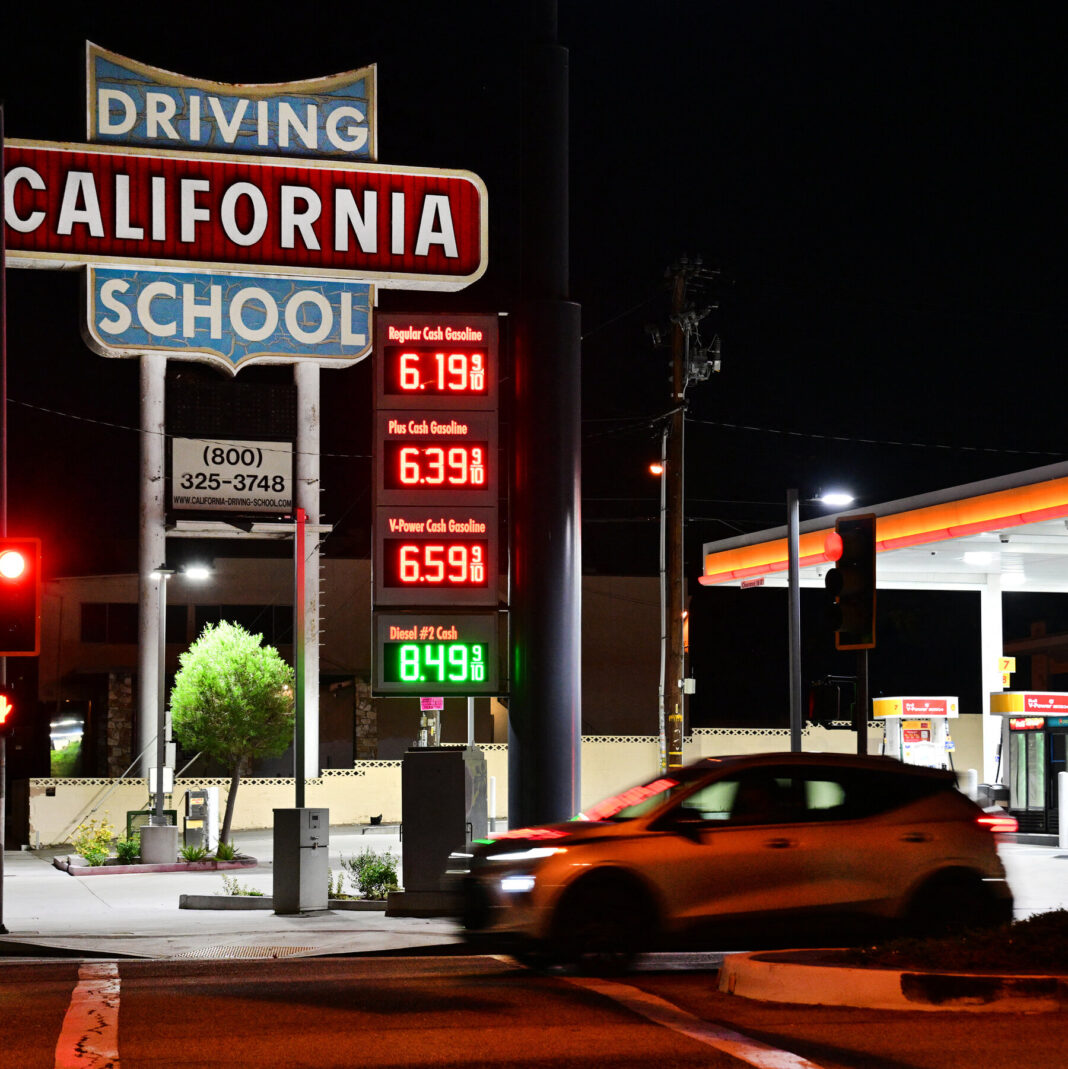
Both political parties are crafting messages around these tensions. Democrats point to job growth and falling gas prices. Republicans blame government spending for rising costs and stagnant wages.
Historically, economic conditions shape midterm turnout. Voters who feel financial pain tend to punish the party in power. This year, the pain is uneven and hard to categorize.
The A.I. debate adds a new layer of uncertainty. Unlike past technological shifts, the changes are happening quickly and across many industries. That speed makes it difficult for workers to adapt or retrain.
The White House has touted recent investments in manufacturing and infrastructure. But those benefits may take years to reach ordinary households. Short-term price pressures remain the dominant concern.
Consumer confidence surveys show a sharp partisan divide. Republicans report far more pessimism than Democrats, regardless of actual income. This gap complicates any simple economic narrative.
Analysts warn against overreading any single data point. Inflation could cool further, or it could spike again. The A.I. labor impact remains speculative and uneven.
For now, the economy defies easy labels. It is neither booming nor collapsing, leaving voters to decide which risks matter most. That uncertainty may define the midterm outcome.