**Local Storage Cameras Eliminate Monthly Fees**
Homeowners seeking security without recurring costs now have viable alternatives to cloud-based systems. A growing number of security cameras can store footage directly on memory cards or network video recorders. This approach removes the need for a monthly subscription to access or review recordings.
The trade-off is reduced convenience. Cloud services offer easy remote viewing and automatic backups, but local storage requires manual setup. Users must manage their own memory cards and ensure the camera is properly connected to a home network. These steps are straightforward but demand more initial effort.
Video quality remains a key consideration across different models. Many subscription-free cameras now offer high-definition resolution and night vision. Some include motion detection and two-way audio. These features match what users expect from paid services without the ongoing cost.
Installation simplicity varies widely by device. Some cameras plug directly into an outlet and connect to Wi-Fi in minutes. Others require wiring or drilling for permanent placement. Buyers should confirm compatibility with their existing smart home ecosystem before purchasing.
Privacy concerns are a major driver behind the shift to local storage. No footage is uploaded to a third-party server, reducing the risk of data breaches. Users retain full control over who accesses their video, although they must secure their home network to prevent unauthorized local access.
The best local cameras offer flexible storage options. Some support SD cards while others work with network-attached storage or a dedicated NVR. The capacity determines how long footage is kept before being overwritten, which is important for users who want extended retention.
Motion alerts and push notifications still function without a subscription. Cameras can send instant alerts to a smartphone when movement is detected. This keeps the system active and responsive without any monthly fee for cloud processing or storage.
Durability and weather resistance matter for outdoor installation. Many subscription-free models are rated for rain and extreme temperatures. A weatherproof camera placed near entry points provides reliable monitoring without a cloud service dependency.
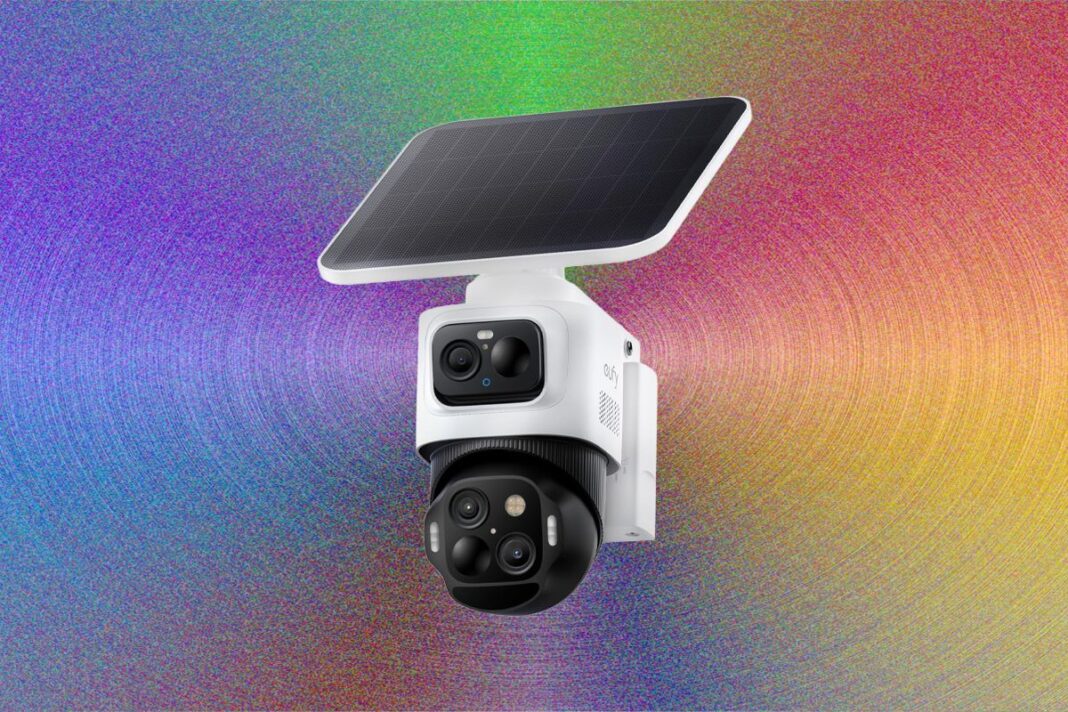
Battery-powered options add further flexibility for renters or those avoiding cable runs. These cameras can be placed virtually anywhere but require periodic recharging. Some models use solar panels to extend battery life, reducing maintenance.
Choosing the right camera depends on individual priorities for storage, power, and installation. The market now offers robust choices that balance security needs with long-term cost savings. Local recording provides a practical path to home security without a monthly bill.