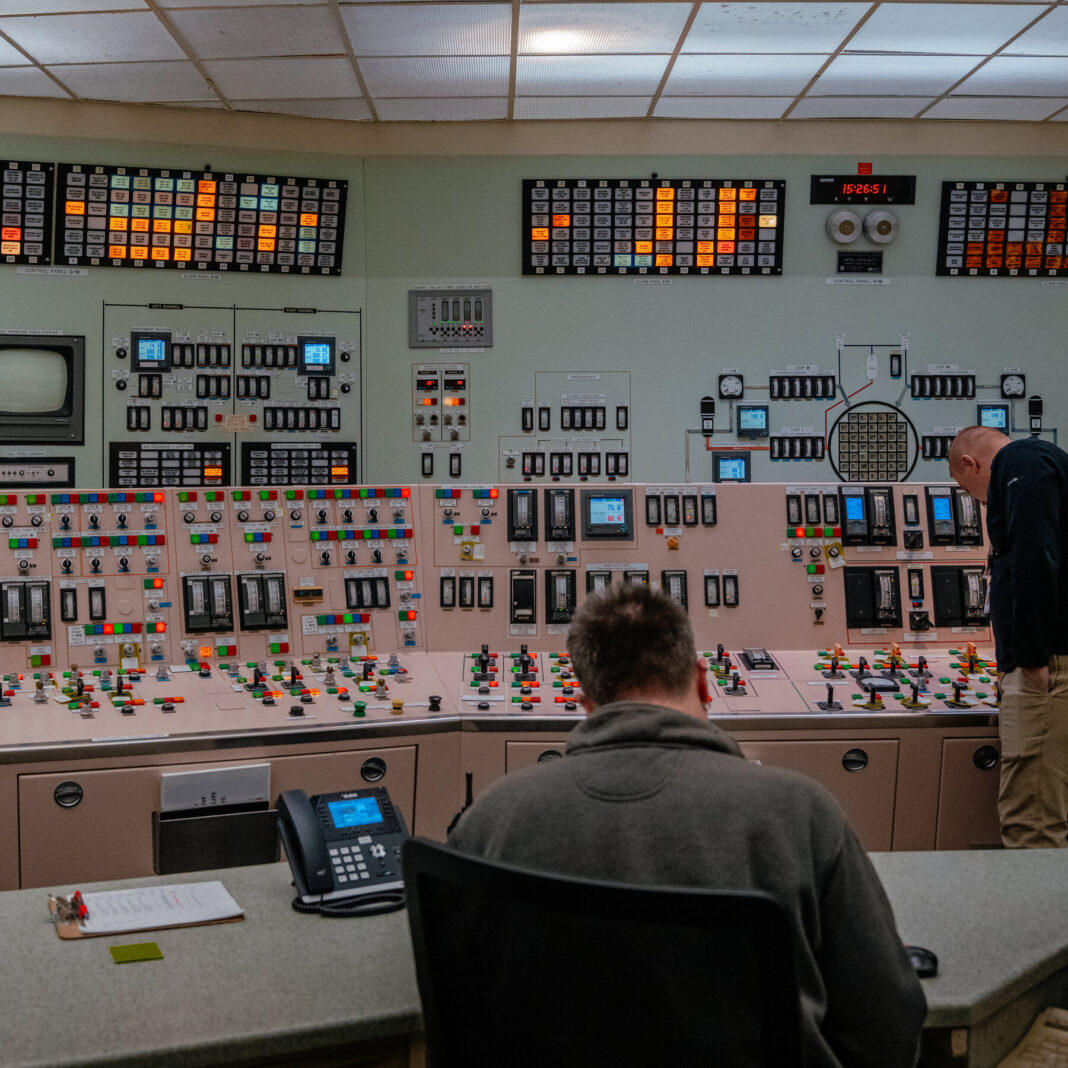
The first U.S. attempt to restart a closed nuclear reactor has encountered significant delays due to aging equipment and insufficient planning.
The Palisades plant in Michigan was originally shut down in 2022. Efforts to bring it back online are proving far more complex than anticipated.
Inspectors found that decades of idleness took a heavy toll on critical machinery. Many components require extensive repairs or complete replacement before operation can resume.
The plant’s new owner underestimated the amount of work needed. Detailed engineering assessments revealed structural and safety issues that were not previously documented.
A shortage of specialized nuclear contractors has slowed the repair process. Skilled workers with the necessary certifications are in high demand across the industry.
Regulatory hurdles have also added to the timeline. The Nuclear Regulatory Commission must approve every step, a process that allows no shortcuts for safety.
The project serves as a cautionary example for other planned reactor restarts. Industry experts note that reopening a dormant plant is not simply a matter of flipping a switch.
Cost estimates have risen sharply as the scope of work expands. The project now requires hundreds of millions of dollars more than initially budgeted.
Utility companies watching the Palisades case are reassessing their own restart plans. The challenges suggest that bringing old reactors back online carries substantial financial and engineering risk.
The outcome remains uncertain, but the experience is already reshaping thinking about nuclear energy’s role in the power grid.