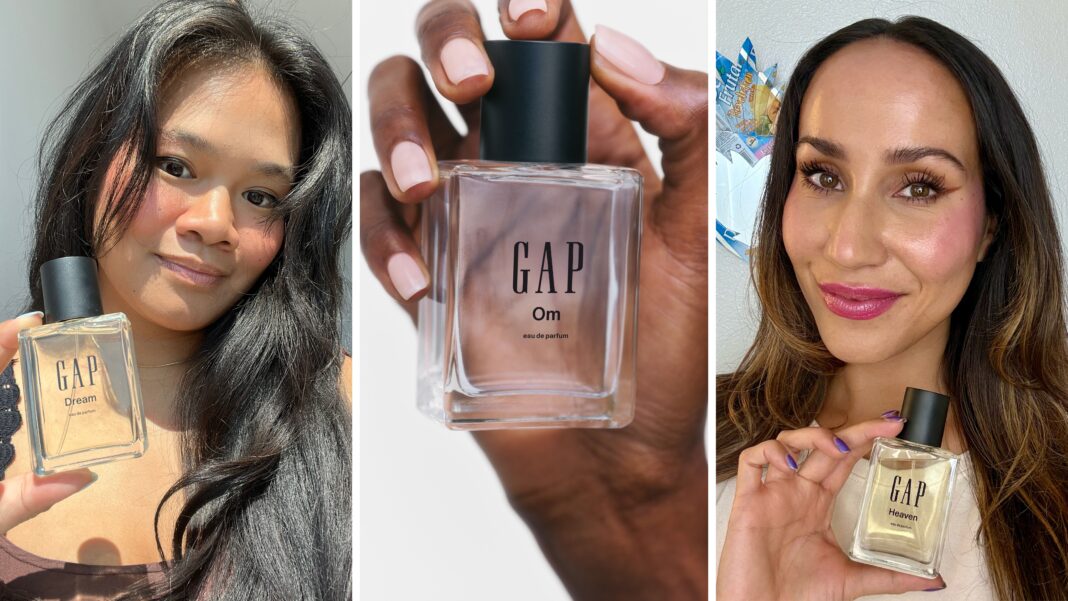
Gap has reimagined its iconic 1990s fragrance line, introducing updated versions of the scents that defined a generation. The new collection draws directly from the brand’s original perfumes, which first launched during the decade’s peak. These reformulated fragrances aim to capture the nostalgia of the era while appealing to modern sensibilities.
The revival includes familiar names like Dream, Grass, and Heaven, each receiving a contemporary twist. Longtime enthusiasts have noted that the new iterations retain the core character of the originals. The company adjusted the compositions to suit current preferences for lighter, less overpowering scents.
The original Gap fragrances achieved cult status in the 1990s, often found in mall stores and department counters. Their simple, single-note profiles stood out in an industry moving toward complex blends. The scents became synonymous with casual, approachable style, much like the brand’s clothing.
Today’s versions aim to balance clarity with depth, using fewer synthetic ingredients. Reviewers have described the updated Dream as softer and more floral, while Grass remains green and fresh but less sharp. Heaven now features a cleaner, powdery finish that feels less cloying over time.
The packaging has also been redesigned with minimalist glass bottles and subtle color gradients. This modern aesthetic mirrors the brand’s current visual identity, moving away from the bold, blocky typography of the originals. The change reinforces Gap’s focus on simplicity and timelessness.
Pricing places the new fragrances in the accessible luxury category, with bottles retailing below high-end competitors. This strategy positions them as affordable indulgences for both returning fans and new customers. The launch targets shoppers seeking quality without exclusivity.
Initial customer responses highlight a mix of appreciation and skepticism. Some long-term fans embrace the updates as respectful homages, while others miss the unfiltered intensity of the 1990s formulations. The brand has acknowledged this feedback, suggesting potential limited-edition re-releases of the original formulas.
The relaunch arrives as nostalgia-driven marketing thrives across fashion and beauty industries. Gap leverages its heritage to differentiate itself in a crowded fragrance market. The move reflects a broader trend of brands reviving past successes with subtle adaptations.
Retail experts note that the strategy carries risk, as reinterpretations can alienate loyal customers. However, early sales data indicates strong interest, particularly among millennials who grew up with the original scents. The collection is currently available online and in select stores.
With this release, Gap aims to secure a foothold in the fragrance sector beyond its clothing legacy. The success of these new scents may determine whether the company expands the line further. For now, the brand focuses on bridging past and present through scent.