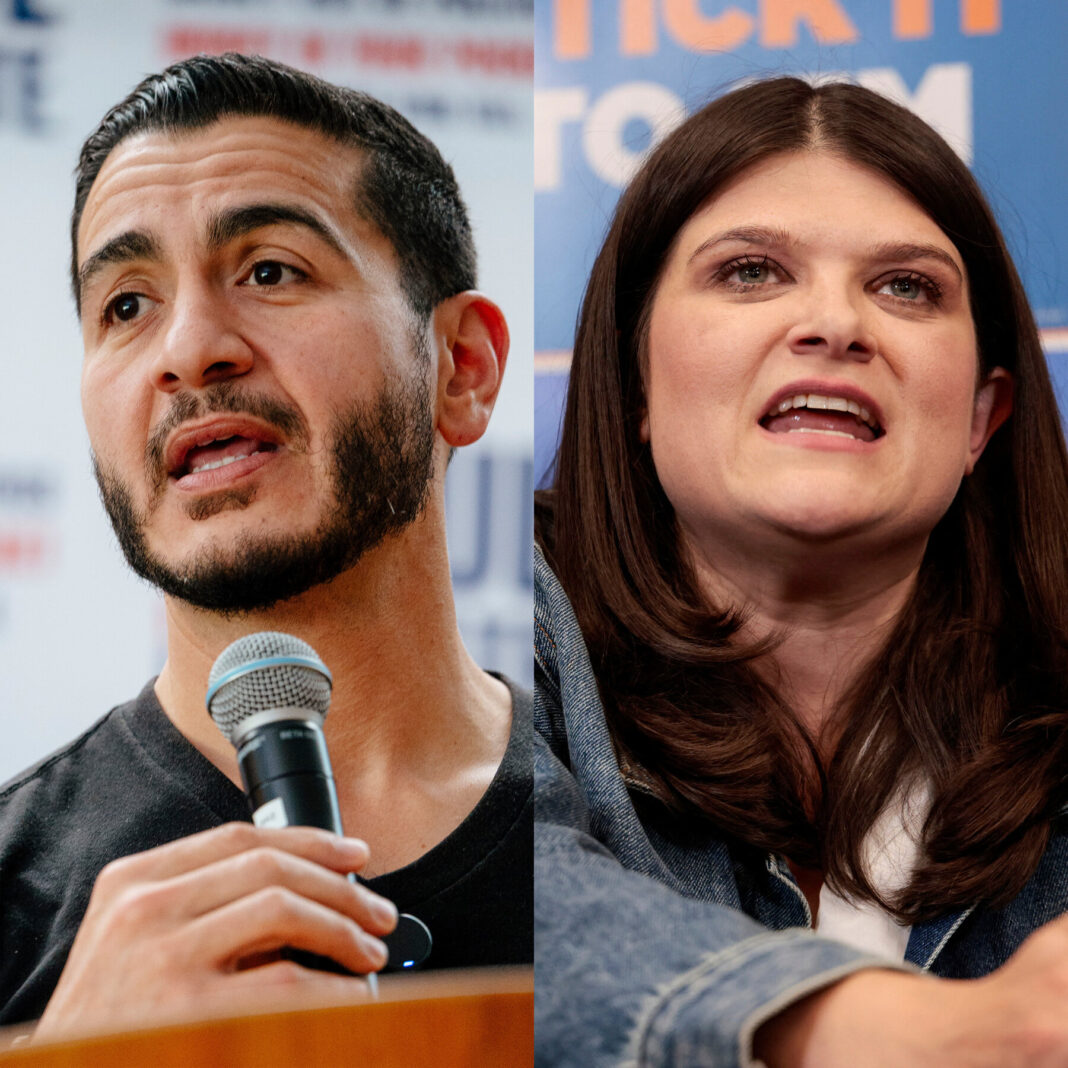
In their final debate before next week’s Democratic Senate primary, Dr. Abdul El-Sayed and Representative Haley Stevens presented sharply contrasting ideological views and political approaches.
The debate highlighted El-Sayed’s progressive platform, which focused on Medicare for All, a Green New Deal, and abolishing the filibuster. Stevens emphasized her legislative record, including work on manufacturing and economic competitiveness.
On health care, El-Sayed argued for a single-payer system, saying insurance companies have no place in patient care. Stevens countered by advocating for a public option, stressing the need to protect the Affordable Care Act first.
Foreign policy emerged as a major dividing point. El-Sayed called for an immediate ceasefire in Gaza and an end to unconditional U.S. support for Israel. Stevens supported a two-state solution but emphasized Israel’s right to self-defense.
The candidates clashed over experience. Stevens cited her work on the bipartisan CHIPS Act as proof of her effectiveness in Congress. El-Sayed pointed to his background as a public health official and his work during Flint’s water crisis.
Voter turnout and enthusiasm became a key theme. El-Sayed argued his campaign could mobilize young and diverse voters needed to win the general election. Stevens warned that his progressive stances could alienate moderate swing voters.
The debate underscored a fundamental choice for Michigan Democrats: between a candidate promising structural change and one offering pragmatic legislative progress. Primary voters will decide on August 4.