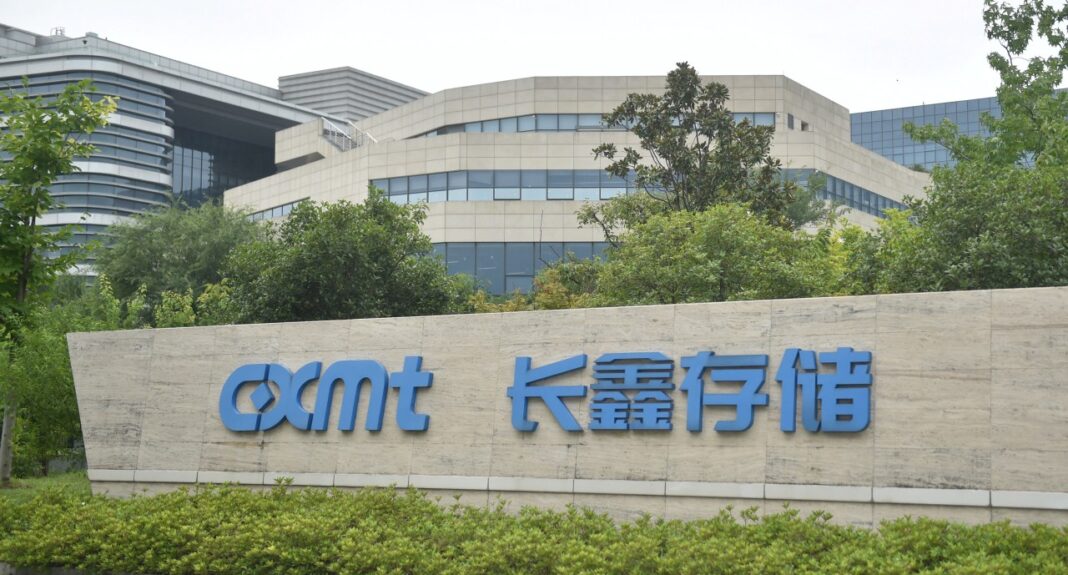
A Chinese artificial intelligence startup has triggered a global sell-off in technology stocks. DeepSeek released a new AI model that rivals leading American systems at a fraction of the cost. Investors are now questioning the valuations of major U.S. tech companies.
The model, called DeepSeek-R1, was developed with far fewer advanced chips than U.S. competitors. This challenges the assumption that expensive hardware is necessary for AI leadership. Shares of Nvidia and other chipmakers fell sharply on the news.
Markets are also watching the Federal Reserve closely this week. The central bank began its two-day policy meeting on Tuesday. No rate change is expected, but investors are parsing language for future rate cut signals.
The Fed’s decision comes amid mixed economic data. Consumer spending remains strong, but inflation has ticked up slightly. Policymakers must balance price stability with slowing growth.
Bond yields have moved higher on expectations of a prolonged pause. The 10-year Treasury note yield rose to around 4.2%. This adds pressure on stocks, especially high-growth tech names.
DeepSeek’s breakthrough highlights China’s ability to compete despite export controls on advanced chips. The company used fewer Nvidia H100 processors than typical large-scale models. Its efficiency gains stunned Western AI researchers.
The sell-off reveals vulnerabilities in the AI investment thesis. Many investors had priced in limitless demand for chips and data centers. DeepSeek’s success suggests cheaper alternatives may disrupt that narrative.
Portfolio managers are now reassessing exposure to Big Tech. The Magnificent Seven group saw significant losses on Monday. Some analysts see this as a healthy correction after months of concentrated gains.
The combination of an AI shock and Fed uncertainty creates a volatile environment. Traders are bracing for more swings in the coming days. Hedging strategies have become more popular among institutional investors.
Long-term implications remain unclear. DeepSeek may accelerate global AI adoption by lowering costs. Or it could trigger a new wave of geopolitical tension over technology leadership.