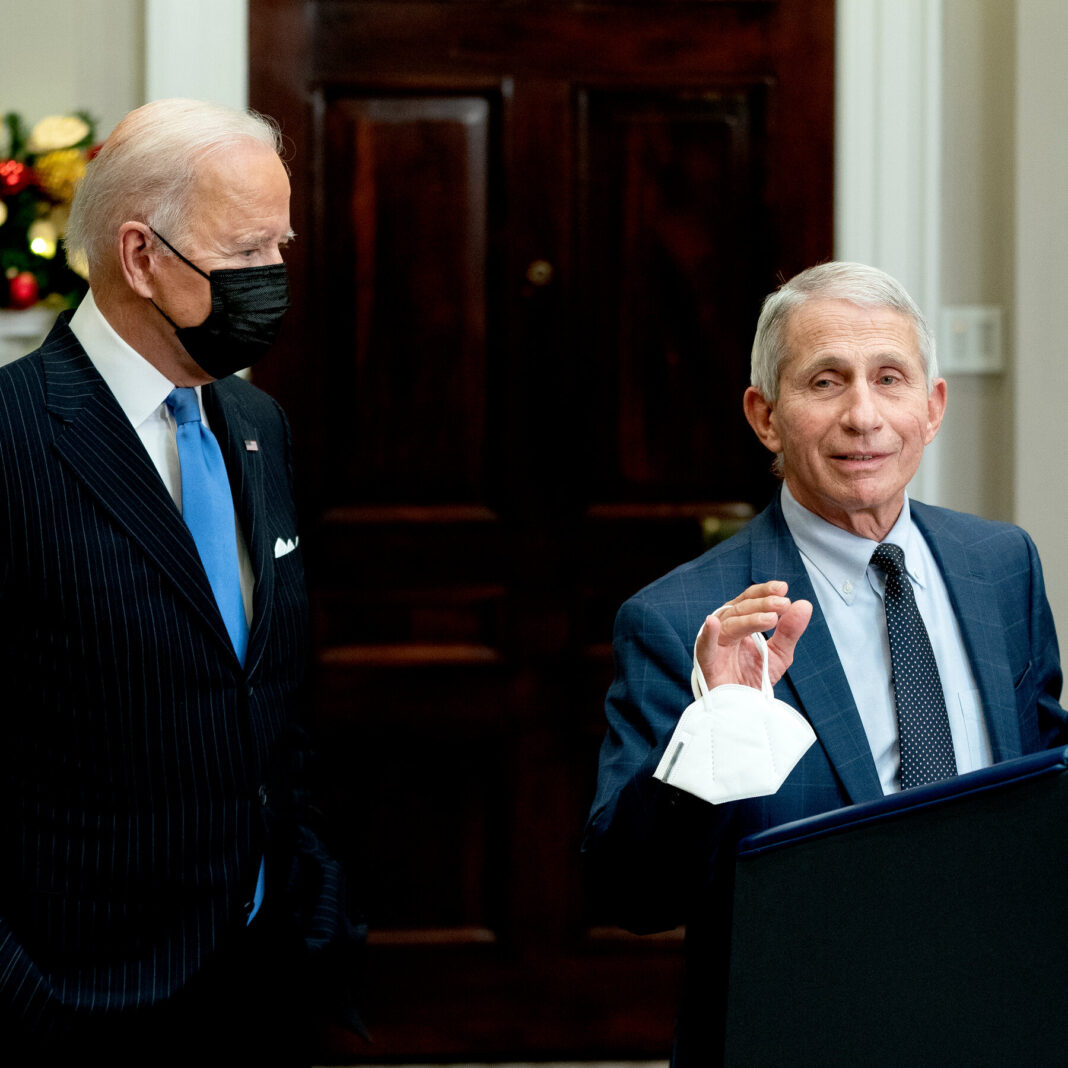
A pre-emptive pardon issued by former President Biden to Dr. Anthony Fauci applies only to actions taken before the pardon was granted. Legal experts clarify that the pardon does not offer protection for any new offenses committed after its issuance. This distinction is crucial as congressional Republicans push for further testimony from the former public health official.
Republicans have argued that the pardon should prevent Dr. Fauci from invoking his Fifth Amendment right against self-incrimination. They claim the pardon removes any legal jeopardy for past conduct. However, constitutional scholars note the Fifth Amendment still applies for any potential new criminal acts.
The pardon specifically covers federal crimes Dr. Fauci may have committed during his tenure up to the date of the order. It does not grant immunity for future actions. This legal boundary remains a central point of debate in ongoing investigations.
Some GOP lawmakers believe the pardon itself suggests wrongdoing by Dr. Fauci. They view it as an admission of guilt that should compel full testimony. Legal experts counter that pardons are often issued as a protective measure without implying guilt.
Dr. Fauci’s legal team has maintained his right to remain silent on certain questions. They argue the pardon does not waive his constitutional protections. The Fifth Amendment allows anyone to refuse answering questions that might incriminate them.
The distinction between past and future offenses has significant implications for the investigation. If new evidence emerges of actions after the pardon, Dr. Fauci would face potential legal exposure. This could become a focal point in future hearings.
Congressional committees continue to seek answers about the early COVID-19 response. The pardon issue remains one of several legal and procedural hurdles in that effort. The next steps will depend on how courts interpret the pardon’s scope.