A group of former health and national security officials is protesting a U.S. plan to defund the Pan American Health Organization (PAHO). They warn that American citizens will become more vulnerable to infectious disease threats as a result. The protest highlights growing concerns over the potential withdrawal of financial support from the international health body.
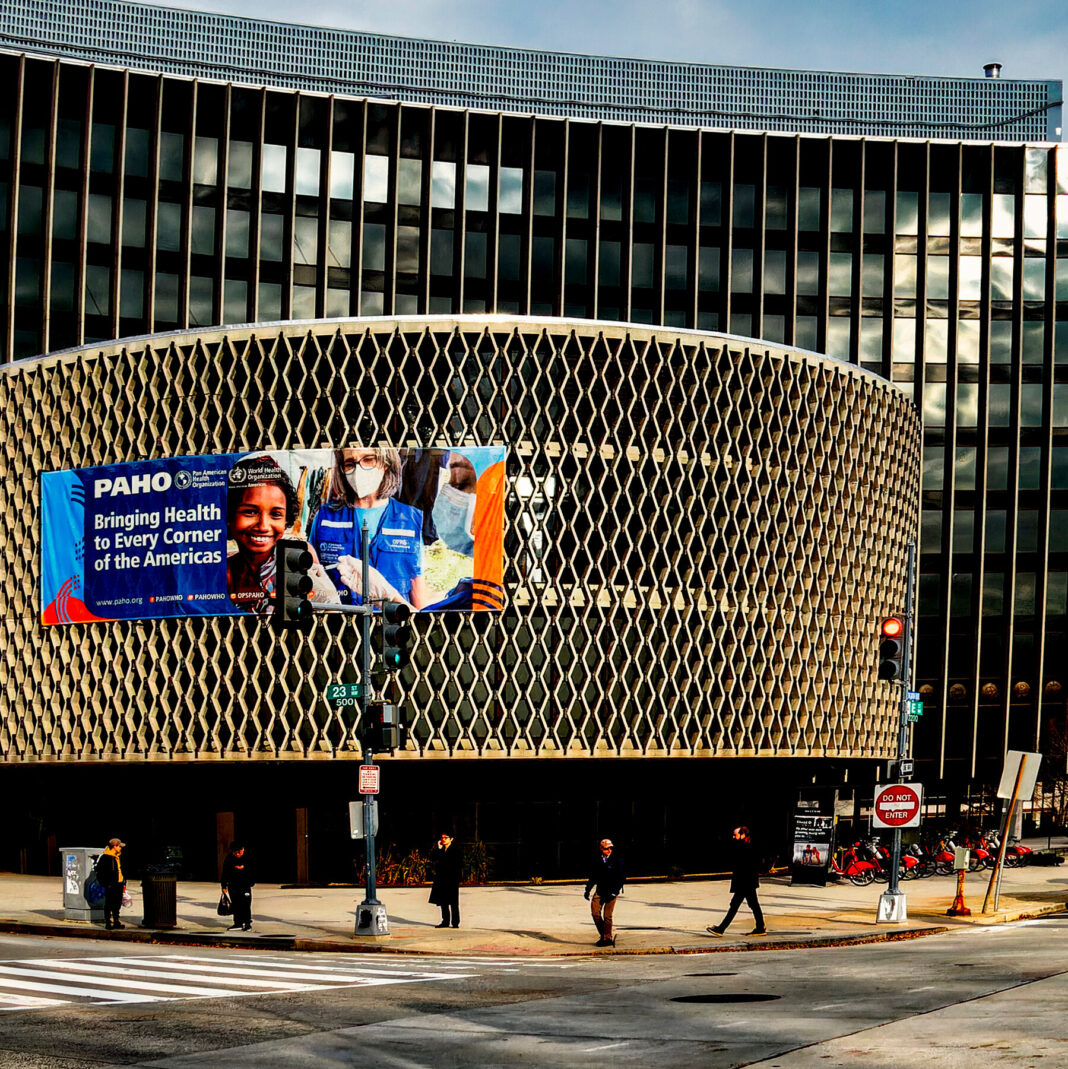
PAHO serves as the regional office for the Americas within the World Health Organization. It coordinates responses to outbreaks such as dengue, Zika, and cholera across North and South America. The U.S. has historically been its largest donor, contributing tens of millions of dollars annually.
Defunding PAHO could weaken disease surveillance networks that directly protect U.S. borders. The organization provides critical early warning systems for emerging pathogens. Health experts note that outbreaks in neighboring countries often spread quickly to the United States.
The former officials argue the plan is shortsighted and risks unraveling decades of public health progress. They emphasize that infectious diseases do not respect national borders. Cutting funds now could lead to larger, costlier health crises later.
The proposed defunding is part of broader budget cuts to international programs. Critics say this approach prioritizes short-term savings over long-term security. Supporters of the plan cite concerns over funding efficiency and accountability.
No official decision on the funding has been announced. The protest aims to influence policymakers before final budget approvals are made. Public health advocates continue to urge the U.S. to maintain its leadership role in global health.
The outcome of this dispute could reshape how the Americas respond to future health emergencies. It also raises questions about America’s commitment to international cooperation. The situation remains closely watched by global health officials and national security experts.