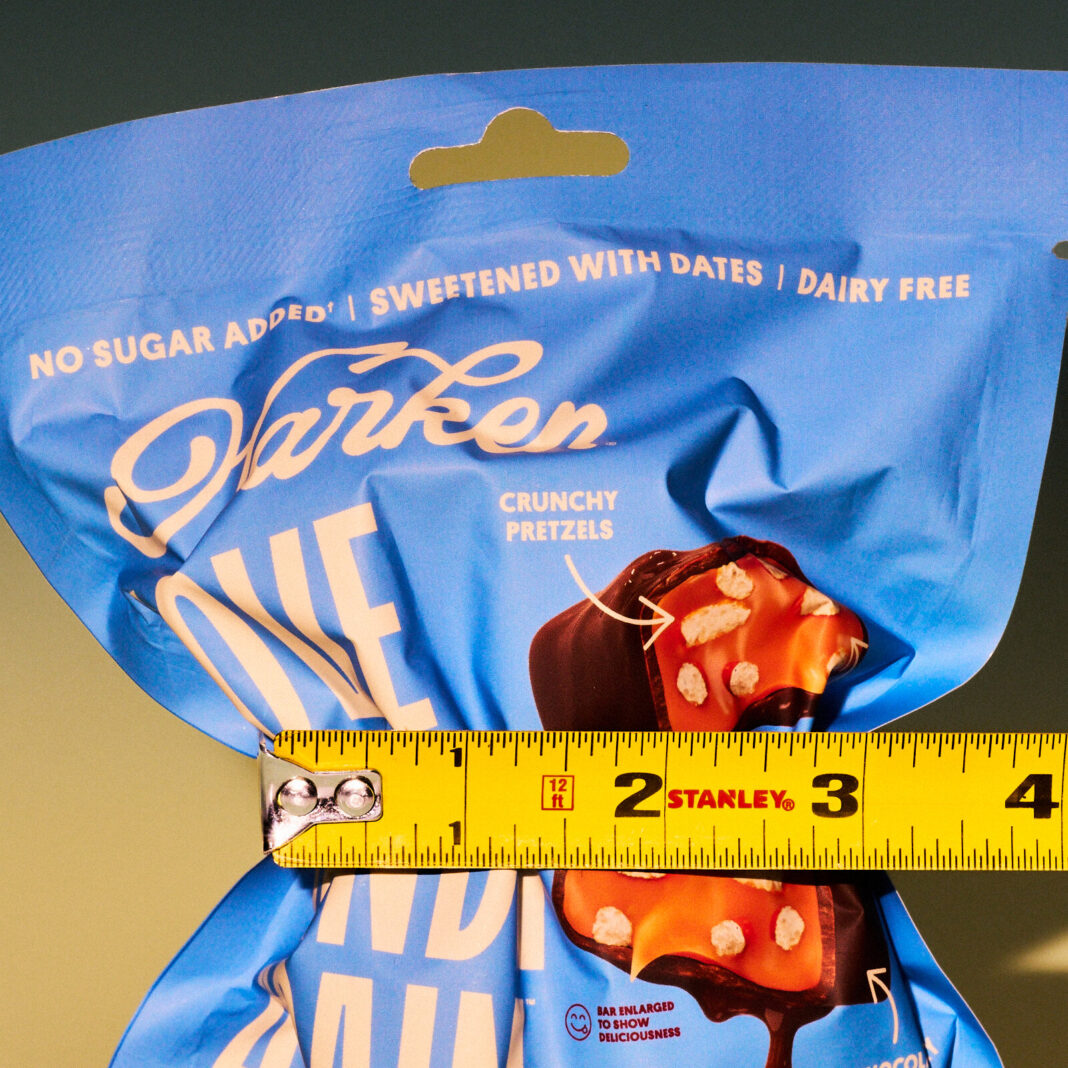
In recent years, a new category of confections has emerged, promising indulgence without the guilt. These “healthy” candies are no longer niche. They now line the shelves of grocery stores, convenience shops, and even fitness centers. Marketing terms like “better-for-you” and “functional” are used to describe them. The shift reflects a growing demand for treats that offer more than just sugar.
Brands are reformulating classic sweets to include protein, fiber, or vitamins. Some remove sugar entirely, replacing it with natural or artificial sweeteners. Others add ingredients like probiotics or adaptogens. The goal is to make candy that fits into a wellness-focused lifestyle. Consumers can now find gummy bears with collagen or chocolate bars packed with prebiotics.
This transformation has not gone unnoticed by traditional candy makers. Major companies are launching their own versions of healthier alternatives. They face competition from startups that specialize solely in functional confections. The market for such products has expanded rapidly, driven by health-conscious shoppers. Convenience stores now stock energy chews alongside standard chocolate bars.
The trend has also infiltrated gyms and supplement shops. Protein-packed candies are marketed as post-workout snacks. Some products claim to boost focus or aid digestion. This blending of candy and supplements blurs the line between treat and health product. Retailers report increased sales in these categories over the past year.
Scientists and nutritionists have raised questions about the benefits. Many of these products still contain added sugars or sweeteners linked to digestive issues. The term “functional” is not regulated, leading to inconsistent quality. Experts advise consumers to read labels carefully. Not all options are as healthy as their packaging suggests.
Despite the skepticism, demand continues to rise. Shoppers appreciate the convenience of a candy that aligns with their dietary goals. For some, it offers a middle ground between strict eating and indulgence. The industry shows no signs of slowing down. New products with novel ingredients appear on shelves regularly.
The question remains whether these sweets can truly replace traditional candy. They appeal to a specific audience looking for balance. For now, they occupy a growing space in the food landscape. As more people seek functional snacks, the definition of candy continues to evolve.