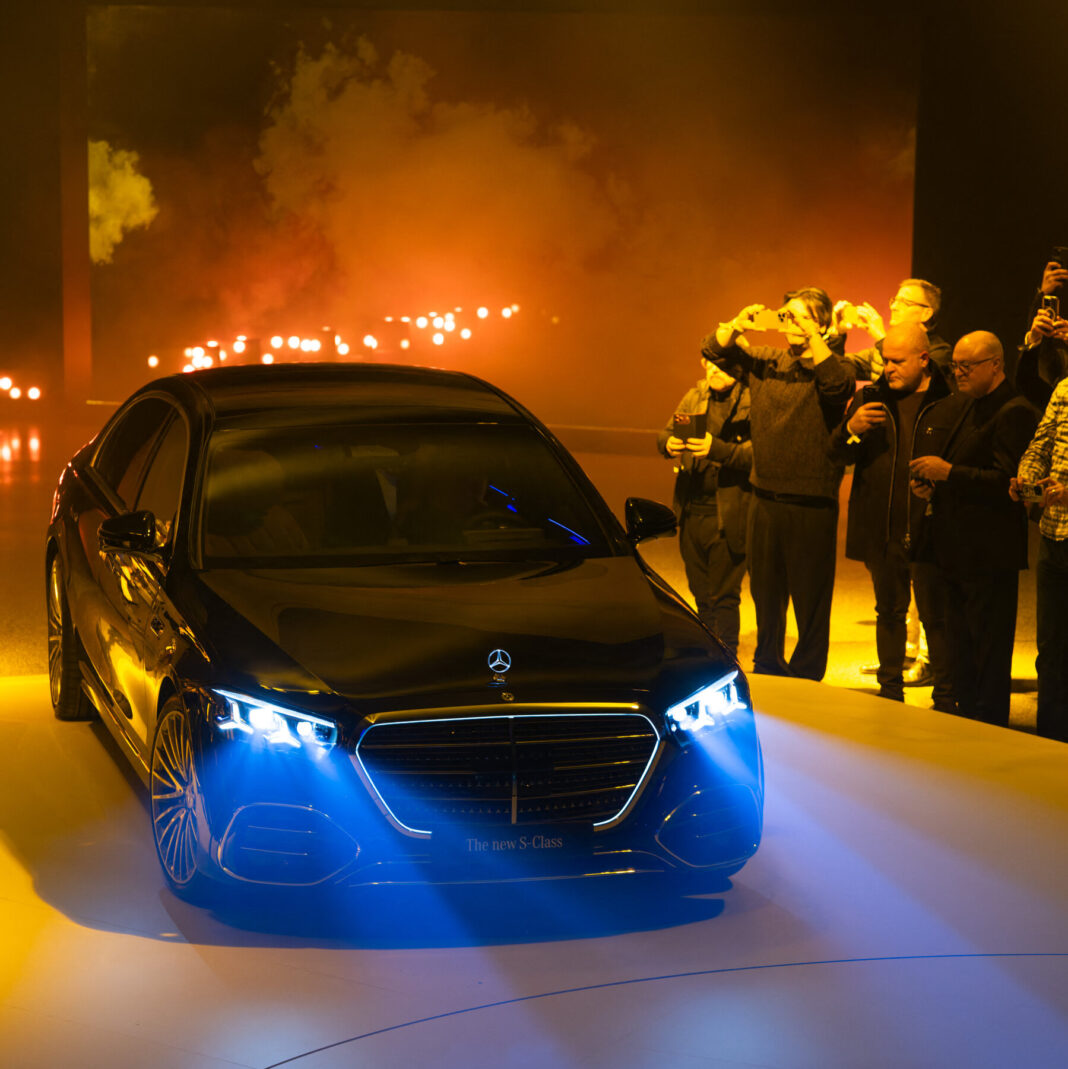
Germany’s automotive sector, long a source of national pride and economic stability, is facing mounting pressure. The industry’s struggles stem from a combination of new tariffs, the accelerating shift to electric vehicles, and fierce competition from Chinese manufacturers. These forces are testing the resilience of the country’s most iconic carmakers.
Mercedes-Benz, BMW, and Volkswagen are all navigating a rapidly changing landscape. Tariffs on key exports have raised costs and complicated supply chains. At the same time, domestic and international demand for traditional combustion-engine vehicles is slowing. The transition to electric models, while necessary, has proven costly and complex.
Chinese competitors are advancing quickly, offering affordable electric vehicles loaded with new technology. Their aggressive expansion into global markets is directly challenging the dominance of German brands. Once seen as untouchable, these automakers now face a fight for market share in regions where they previously led.
The pressure is visible in recent earnings reports and production adjustments. Several companies have revised profit forecasts downward. Job security within the sector has become a growing concern, with some plants facing reduced output or temporary shutdowns. Executives are calling for government support and clearer regulatory direction.
The stakes extend beyond the companies themselves. The auto industry supports hundreds of thousands of jobs across Germany, from parts suppliers to dealerships. It is also a major contributor to the country’s export economy. A prolonged decline would have broad implications for the national workforce and public finances.
Some industry leaders are responding with new investments in battery technology and software development. Others are forging partnerships with tech firms to accelerate innovation. However, these measures may take years to yield results, and the competitive gap is shrinking faster than many anticipated.
Germany’s policymakers are under pressure to respond. Debates over energy costs, infrastructure upgrades, and trade agreements are intensifying. The coming years will determine whether the nation’s auto giants can adapt or lose their standing in the global market.