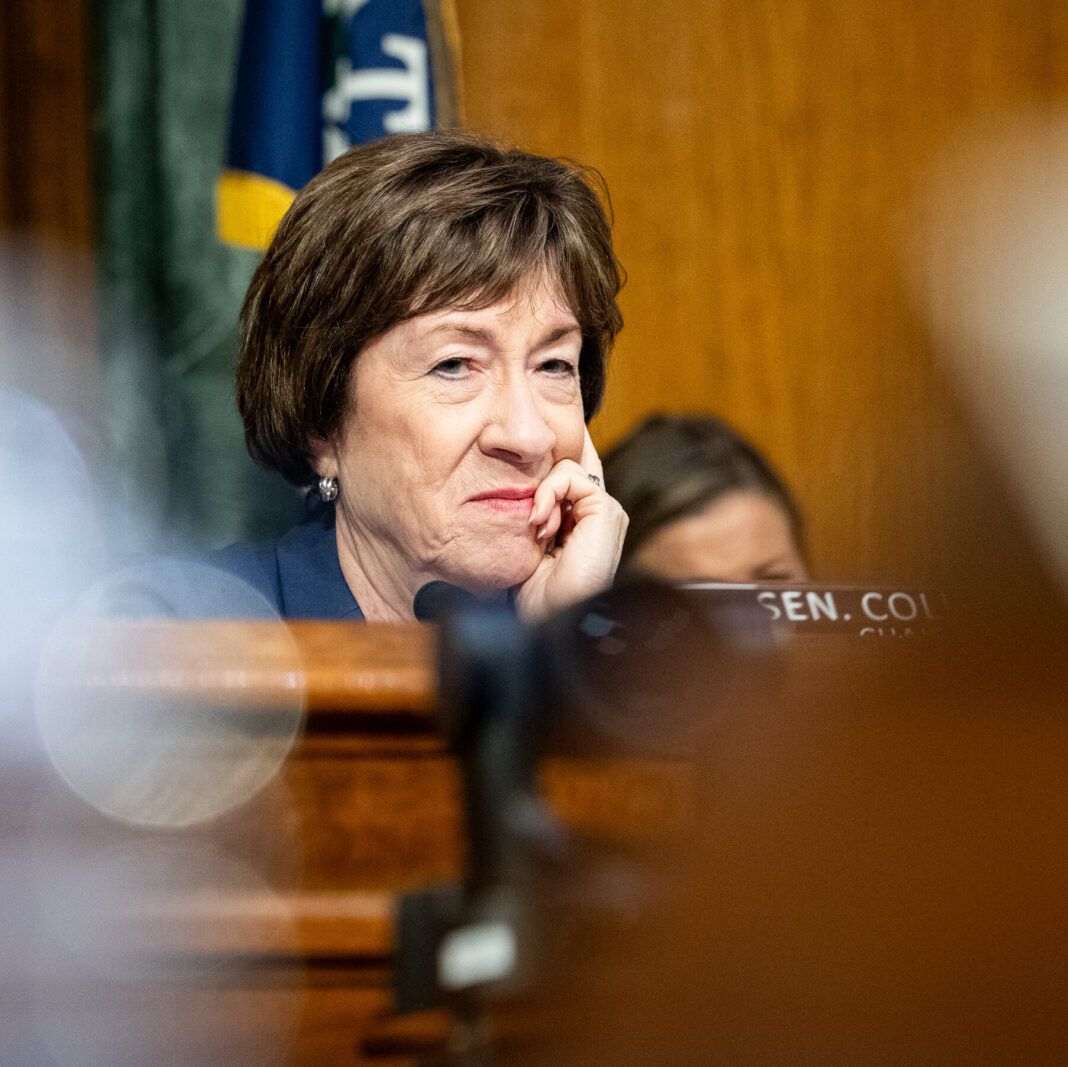
Senator Susan Collins, a Republican from Maine who supports abortion rights, endorsed Brett Kavanaugh’s nomination to the Supreme Court in 2018. That decision has now become a central issue in her campaign for re-election.
The senator’s vote to confirm Justice Kavanaugh is facing renewed scrutiny following the court’s decision to overturn Roe v. Wade. The ruling has reshaped the political landscape for the upcoming election, placing her prior support of the justice under a harsh spotlight.
During her 2018 endorsement, Collins stated her belief that Kavanaugh would not act to overturn the landmark abortion ruling. She based this trust on his private assurances and public testimony. The recent court decision has directly contradicted that expectation.
The issue is now a primary attack line for her opponents, who argue her vote enabled the end of federal abortion protections. Collins, however, has pushed back, pointing to her support for abortion rights and her criticism of the court’s latest ruling. She maintains her vote was based on the information available at the time.
Her campaign has shifted focus to highlight her bipartisan record and legislative accomplishments. Yet, the emotional weight of the ruling is evident among voters. For many in her state, the issue is not abstract policy but a personal concern about access to healthcare.
The race has drawn national attention, with significant funding flowing into the state from both sides. Political analysts suggest the outcome could hinge on how voters weigh her Senate experience against their frustration with the court’s decision. The election results may signal the broader political consequences for Republicans who supported the justice’s confirmation.
Collins’s path to victory remains uncertain as she navigates a deeply divided electorate. Her ability to reconcile her past vote with her stated principles will likely define her campaign’s final stretch. The stakes are high, with control of the Senate potentially resting on the outcome in Maine.