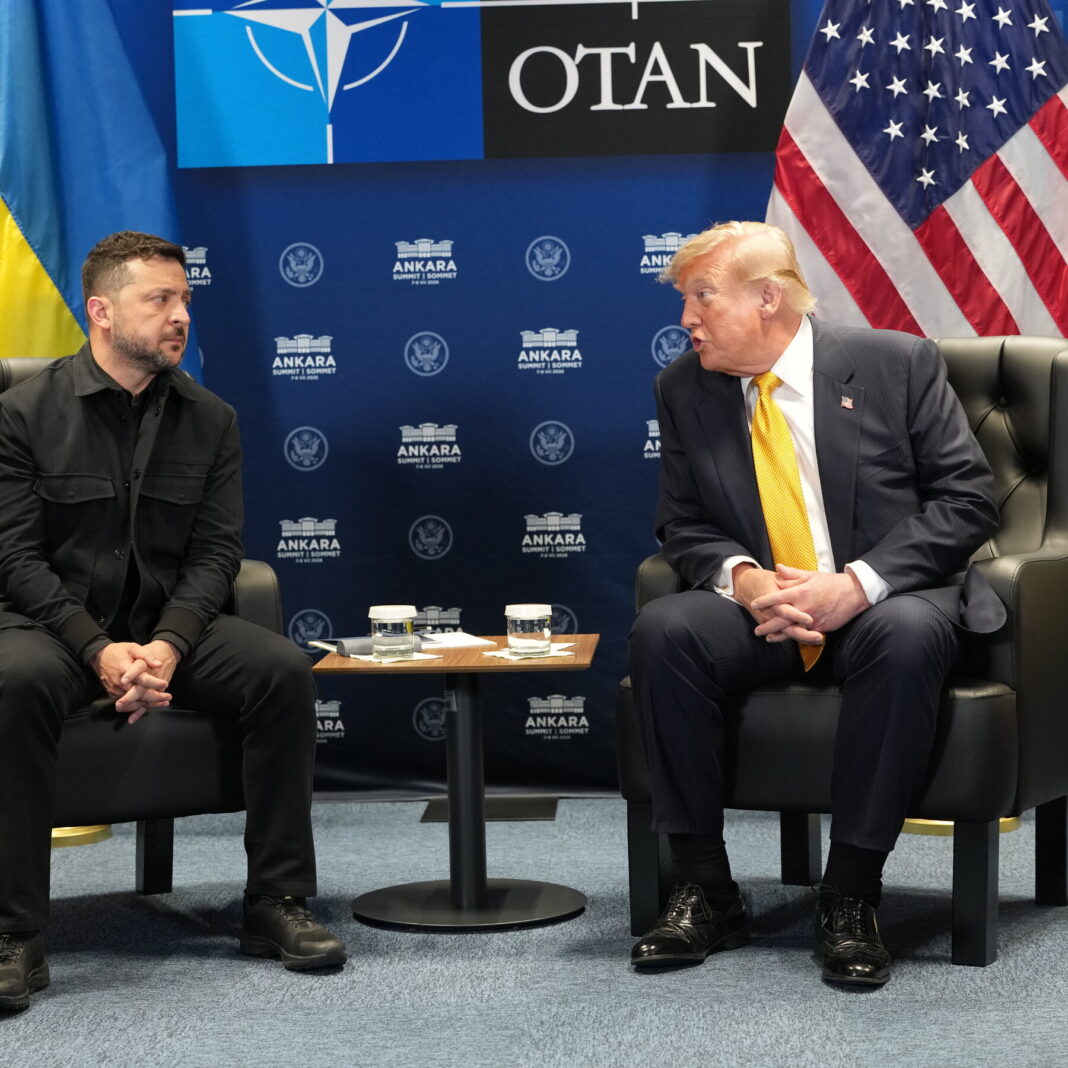
Ukraine and its allies have spent years working to counter skepticism toward the country’s war effort within President Trump’s MAGA movement and the president’s own circle. Recent outreach has focused on building direct ties with influential figures in that base. One notable target has been Laura Loomer, a conservative activist known for her close alignment with Trump.
Loomer has been a vocal critic of U.S. military aid to Ukraine in the past. Reports indicate that Ukrainian officials and their supporters have engaged with her through private meetings and targeted communications. The effort aims to shift her perspective and, in turn, influence her audience. Loomer commands a significant following online, making her a valuable conduit to broader MAGA sympathizers.
The strategy marks a departure from earlier, broader lobbying campaigns. Instead of relying on traditional political channels, Ukraine has adapted to the decentralized nature of right-wing media and activism. This approach includes direct conversations, curated information packets, and invitations to witness the war’s impact firsthand. The goal is to reframe the conflict as a matter of U.S. strategic interest rather than a foreign entanglement.
Supporters of the outreach believe that personal engagement can be more effective than policy briefings. By addressing concerns about corruption, inefficiency, and endless conflict, they aim to reduce friction points. The talks reportedly emphasize accountability measures and a clear exit strategy, two issues that resonate strongly within the MAGA base. This framing seeks to rebrand assistance as a pragmatic transaction.
Critics remain skeptical that such attempts will yield significant change. Loomer’s public statements have historically aligned with anti-war and nationalist positions favored by her followers. Some analysts note that shifting her stance could risk her credibility in a space that values consistency. Others argue that any open dialogue is progress, even if results are slow to materialize.
The initiative is part of a larger Ukrainian effort to diversify political support. Officials have also engaged with other Trump-aligned media personalities and lawmakers. The broader goal is to ensure that bipartisan backing for Ukraine remains durable, regardless of future election outcomes. This outreach operates under the assumption that sustained public opinion matters more than presidential whim.
No public statements from Loomer have confirmed a change in position following the meetings. Her recent social media posts still echo earlier criticisms of foreign spending. However, those involved in the outreach describe the conversations as constructive and ongoing. They caution that changing long-held views requires patience and repeated exposure to alternative viewpoints.
Observers note that Ukraine’s diplomatic flexibility highlights its adaptive approach to shifting political realities. The effort carries risks, including backlash from established allies who view engagement with fringe figures as counterproductive. Yet, proponents argue that leaving any segment of the American electorate unengaged is a larger strategic error. The coming months will show whether this targeted strategy gains traction beyond closed-door talks.