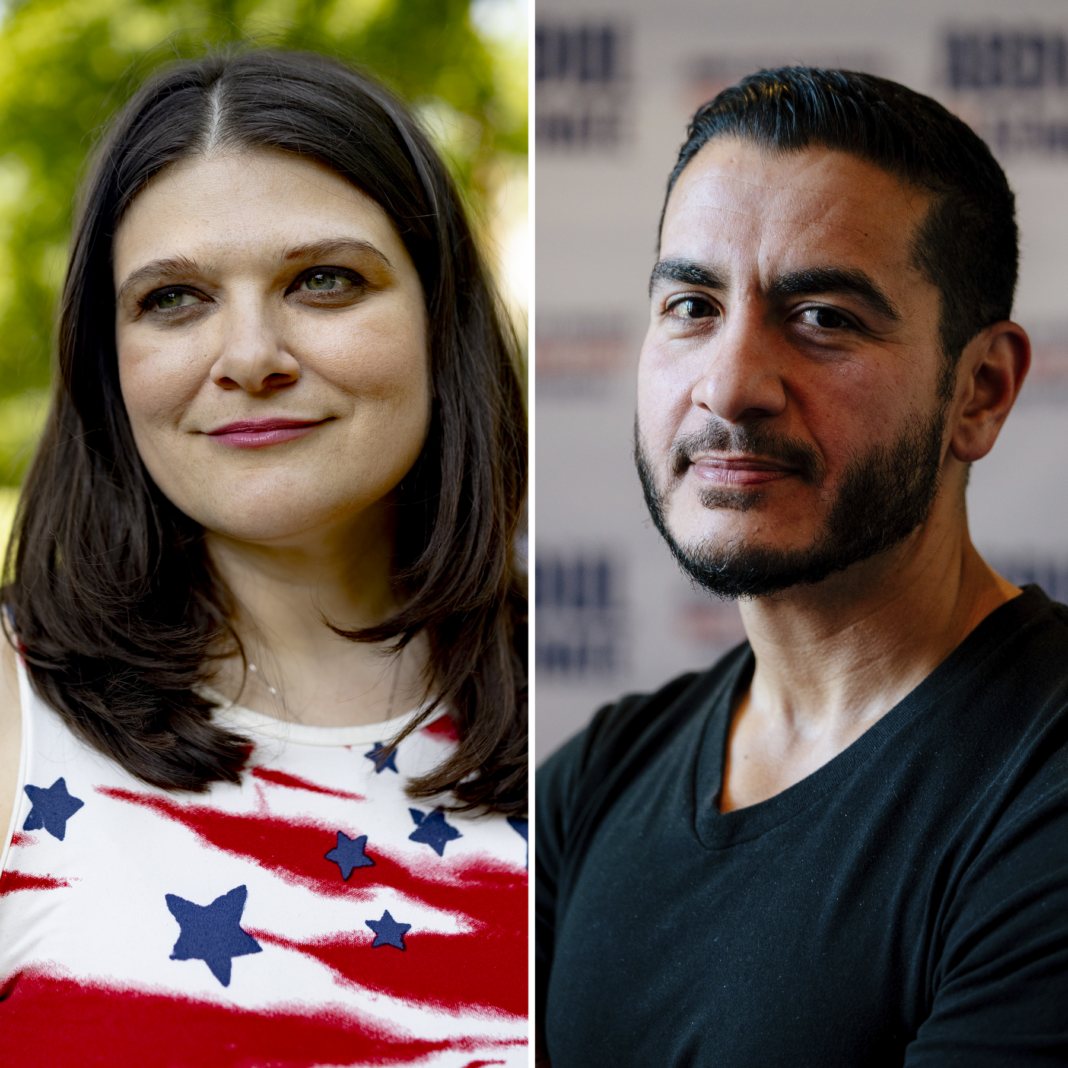
Divisions over Israel and high-profile endorsements defined Michigan’s Democratic Senate primary, a closely-watched contest between a progressive former public health official and a more moderate member of Congress. The race highlighted stark contrasts in policy and approach, drawing national attention to the state’s political landscape. Both candidates sought to energize distinct factions within the party, setting the stage for a contentious and consequential nomination fight.
The first major moment came when the more moderate candidate secured a series of prominent endorsements from establishment figures. These backing helped consolidate support among traditional Democratic donors and party insiders. In response, the progressive candidate leaned into grassroots organizing, emphasizing broad coalition-building and small-dollar donations.
A second turning point emerged over the candidates’ differing stances on international policy, particularly regarding Israel. The progressive candidate called for stricter conditions on aid, while the moderate rival advocated for maintaining long-standing alliances. This divergence triggered heated debates during forums and on social media, forcing voters to weigh foreign policy against domestic priorities.
Third, a pivotal debate performance reshaped momentum, with each candidate landing sharp critiques on healthcare and economic inequality. The progressive highlighted past public health work, citing concrete local achievements. The moderate countered by pointing to legislative records and bipartisan efforts, trying to appeal to swing voters.
The fourth big moment involved a wave of last-minute advertising spending, with outside groups pouring millions into the race. Attack ads dominated airwaves, focusing on character and voting histories. This influx of money shifted the campaign’s tone, moving the conversation away from policy specifics and toward personal narratives.
Finally, a surprise endorsement from a popular statewide figure near the end of the race provided a decisive boost. Political analysts noted this could sway undecided voters, particularly in suburban districts. The endorsement underscored the high stakes of the primary, as both camps worked to turn out their respective bases.
Michigan’s primary serves as a test for national Democratic strategies, with outcomes likely to influence future races across the country. The result will signal whether progressive energy or moderate pragmatism holds greater appeal in a key swing state. Voter turnout in Detroit and surrounding counties will prove critical in determining the nominee.
As the primary concluded, the narrow margin between candidates reflected the party’s ongoing internal tensions. The eventual winner now faces a challenging general election, requiring unity among fractured supporters. Both camps acknowledged the need to bridge divides, even as partisan energy remains elevated through the final count. The race ultimately demonstrated how local contests can mirror broader national debates.